



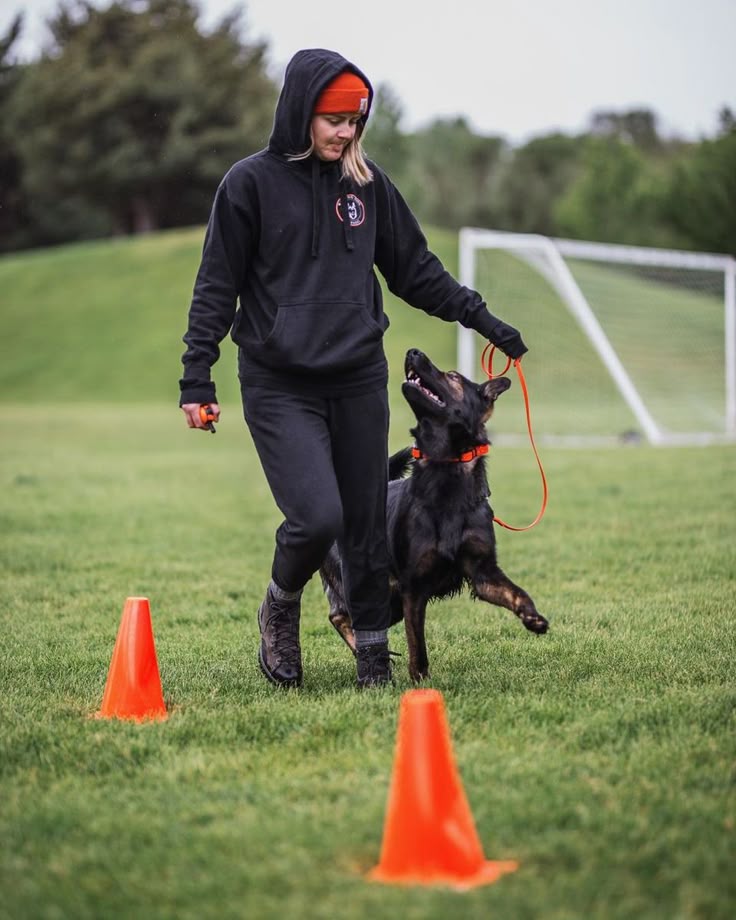
Bringing a new dog into your life, especially for the first time, is an exciting and heartwarming experience. Whether you’ve adopted a playful puppy or a loving adult rescue, the journey of dog ownership comes with responsibilities, chief among them being training. For first-time dog owners in Los Angeles, navigating the world of dog training can seem daunting, but with the right guidance and understanding, you can build a strong foundation for a well-behaved, happy, and integrated family member. This guide will walk you through the essential knowledge and steps for successful dog training LA in the vibrant environment.
Understanding Your Role as a First-Time Trainer
As a first-time dog owner, remember that you are your dog’s primary teacher. Your consistency, patience, and understanding of canine behavior are crucial. Dogs thrive on routine and clear communication. The goal of training is not just to teach commands, but to build a strong bond based on trust and mutual respect.
- Patience is Paramount: Dogs learn at different paces. Avoid frustration and celebrate small victories.
- Consistency is Key: Ensure everyone in your household uses the same commands, hand signals, and rules. Inconsistency can confuse your dog.
- Positive Reinforcement: This is the most effective and humane method. Reward desired behaviors with treats, praise, or toys. This makes learning fun and strengthens your bond.
Essential Foundational Training Areas
For first-time dog owners, focus on these core areas to ensure your dog integrates smoothly into your home and the Los Angeles lifestyle:
1. House-Training (Potty Training)
This is often the most immediate concern.
- Establish a Routine: Take your puppy out frequently (every 1-2 hours for young puppies, after waking, eating, and playing). For adult dogs, maintain a consistent schedule.
- Positive Reinforcement: Reward immediately with praise and a high-value treat every time your dog eliminates outside.
- Crate Training: A crate can be an invaluable tool for house-training, as dogs are naturally reluctant to soil their sleeping area. Introduce it positively as a safe den.
- Supervision: Keep a close eye on your dog indoors to catch signs they need to go.
2. Basic Obedience Commands
These commands are the building blocks for all future training and crucial for safety and control in public.
- Sit: A fundamental command for polite greetings, waiting for food, and impulse control.
- Stay: Teaches your dog to remain in a position until released, vital for safety (e.g., at a crosswalk).
- Come (Recall): A potentially life-saving command, teaching your dog to return to you reliably when called, especially important in off-leash areas like LA dog parks.
- Down: A calming command, useful for relaxation and managing excitement.
- Loose-Leash Walking: Teaches your dog to walk politely by your side without pulling, making walks enjoyable in busy LA neighborhoods.
- Leave It: Prevents your dog from picking up unwanted items or engaging with distractions.
3. Socialization
For puppies, the period between 3-16 weeks is critical for socialization. For adult rescues, it’s about positive exposure.
- Controlled Exposure: Safely introduce your dog to a variety of sights, sounds (traffic, sirens), people (different ages, appearances), and vaccinated, friendly dogs.
- Positive Experiences: Ensure these exposures are positive and not overwhelming. Reward calm behavior.
- Puppy Socialization Classes: Highly recommended for puppies to learn appropriate play and social cues in a controlled environment.
4. Managing Common Puppy Behaviors
First-time owners often face challenges like nipping, chewing, and jumping.
- Bite Inhibition: Teach puppies to control the force of their bite through consistent redirection and “yelping” if they bite too hard.
- Appropriate Chewing: Provide plenty of appropriate chew toys and redirect your dog to them whenever they chew on something inappropriate.
- Jumping: Teach an alternative behavior like “sit” for greetings, and reward that instead of acknowledging jumping.
Where to Find Training Support in Los Angeles
Los Angeles offers numerous resources for first-time dog owners:
- Group Obedience Classes: Cost-effective, provide socialization, and offer a structured curriculum. Look for classes at local humane societies (e.g., spcaLA), community dog training clubs (e.g., Hollywood Dog Obedience Club), or pet supply chains.
- Puppy Socialization Classes: Specifically designed for young puppies, focusing on early development and positive exposure.
- Private In-Home Lessons: Ideal for personalized attention, addressing specific issues that occur at home, or for dogs who might be overwhelmed in group settings. Many independent trainers offer this flexibility.
- Online/Virtual Training: Offers ultimate flexibility and can be more affordable for certain issues, allowing you to learn from home.
Conclusion
Embarking on the journey of dog ownership in Los Angeles as a first-timer is a rewarding adventure. By focusing on foundational obedience, crucial socialization, and understanding your role as a consistent, patient, and positive trainer, you can successfully integrate your new companion into your life. With the diverse training options available in LA, you have ample support to build a strong bond and ensure your dog becomes a well-behaved, confident, and beloved member of your family.
