



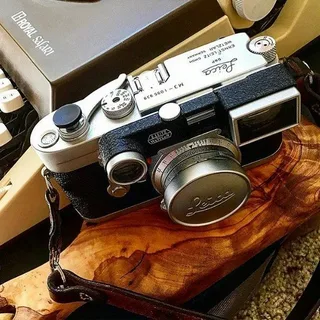
Consider investing in a classic photographic device paired with a finely crafted timepiece for an enriching experience. Both types of equipment offer unparalleled charm, inviting enthusiasts to savor every moment. For photography lovers, 35mm models like Canon AE-1 or Nikon FM2 provide exceptional capabilities, while lovers of exquisite horology should explore brands like Seiko or Omega for quality craftsmanship.
The tactile feel of winding a clockwork gear or loading a roll of film elevates the experience beyond mere functionality. By engaging with these intricate machines, users develop a deeper connection to their art. Each click of the shutter creates a unique narrative framed by the lens, while the sweeping second hand of an old-fashioned watch offers a steady reminder of time’s passage.
Commit to exploring local specialty shops or vintage markets to find hidden gems. Many cities feature communities of collectors eager to share their knowledge. Online forums and auction sites also offer platforms for acquiring these coveted pieces. Balancing aesthetics with technical prowess, both genres remain popular among discerning individuals who appreciate craftsmanship and the stories each device tells.
Choosing the Right Film Camera for Your Photography Style
Identify the type of photography you wish to pursue. For portraiture, consider a medium format device like the Mamiya RZ67, which captures stunning detail and depth. If street photography attracts you, a compact 35mm option like the Canon Canonet QL17 GIII offers portability and quick operation.
Understanding Formats
Film type plays an integral role in image quality. 35mm is versatile and widely available, suitable for most styles. Medium format yields richer detail and a distinctive aesthetic, ideal for landscape or studio work. Large format, though more cumbersome, provides unparalleled resolution and tonal range. Assess your subject matter to select the appropriate format.
Features to Consider
Examine the features that align with your shooting habits. Manual controls allow for greater creativity, while autofocus may enhance speed for dynamic scenes. A reliable metering system ensures accurate exposure. Consider models with interchangeable lenses for flexibility based on your specific needs.
Finally, test different options to see how they feel. Grip, weight, and ease of use can significantly affect your shooting experience. Enjoy the tactile nature and unique charm of each click, and choose a device that resonates with your artistic vision.
Understanding the Mechanics Behind Mechanical Timepieces
A detailed grasp of the intricacies in watchmaking enhances appreciation for these remarkable devices. Focus on the movement type, specifically manual and automatic. Manual pieces require winding by hand, while automatic ones utilize kinetic energy from wrist movements.
Key Components of Mechanical Mechanisms
Central elements include the mainspring, gear train, escapement, and balance wheel. The mainspring stores energy when wound, which then transfers through the gear train to regulate timekeeping. Adjustments made by the escapement control the release of this energy, allowing for accurate ticking.
| Component | Function |
|---|---|
| Mainspring | Stores mechanical energy |
| Gear Train | Transmits energy to the escapement |
| Escapement | Regulates energy release |
| Balance Wheel | Maintains the accuracy of timekeeping |
Choosing Reliable Options
Look for reputable brands with proven craftsmanship. Sources like Wrist Chronicles provide insights into quality selections. Consider the movement’s durability and ease of maintenance when selecting a piece to ensure longevity and precision.
Ultimately, gaining knowledge about these intricate devices elevates the experience of ownership. Understanding the underlying mechanics contributes significantly to appreciating the elegance and functionality of timepieces.
Caring for Your Film Camera: Tips for Longevity
Regular cleaning is crucial. Use a soft, lint-free cloth to wipe down the exterior. For the lens, apply a lens brush or blower to remove dust, followed by a microfiber cloth with lens cleaning solution. Avoid using paper towels or rough fabrics.
Storage Techniques
Store the device in a cool, dry place. Temperature and humidity fluctuations can damage internal components. Use a padded, protective case to prevent scratches and impacts. Additionally, consider using silica gel packets to absorb moisture.
Maintenance Practices
Inspect the inner mechanisms regularly. Check for dust buildup in the film compartment and around the shutter. If film is not loaded for an extended period, operate the shutter occasionally to keep it lubricated. Avoid leaving the unit idle for long periods to prevent the seals from drying out.
Lastly, have the device serviced by a professional every couple of years. This ensures moving parts remain functional and lubricated, extending the lifespan significantly.
How to Select the Perfect Watch Strap for Your Mechanical Timepiece
When selecting a strap, prioritize comfort and material. Leather offers sophistication and durability, while nylon or silicone provides flexibility and breathability. Consider the climate; for warmer conditions, breathable options may be preferable.
Width and Lug Size
Measure the lugs of your timepiece to determine the correct strap width. A mismatch can disrupt the aesthetics. Most common widths range from 18mm to 24mm. Optimal fit enhances appearance and ensures stability.
Style and Occasion
Choose a design that complements your style. Casual outings suit colorful or textured straps, while formal events call for polished leather or metal. Ensure the strap matches the case finish; this harmony enhances visual appeal.
Exploring Film Types: Which One Suits Your Creative Vision?
Choosing the ideal emulsion is crucial for achieving desired artistic results. Each type offers distinct characteristics that align with various styles and preferences.
- Black and White: Perfect for conveying emotion and contrast. Great for portraiture or street photography. Brands like Ilford and Kodak offer various grain levels and contrast options.
- Color Negative: Offers excellent dynamic range and is forgiving during exposure. Ideal for everyday scenes and portraits. Popular choices include Fuji Superia and Kodak Portra, known for their vibrant colors.
- Color Reversal (Slide): Delivers high saturation and sharpness, suitable for landscape photography. Requires precise exposure control. Velvia 50 by Fuji is widely regarded for breathtaking landscapes.
- Instant Film: Provides immediate results and a unique aesthetic. Use for casual photography or creative projects. Polaroid and Fujifilm Instax are two common options.
- Specialty Films: Consider films designed for specific effects, like infrared or black-and-white infrared for otherworldly imagery. Lomography films also introduce unique color renditions and experimental possibilities.
Understanding the distinct qualities of each type enables photographers to match film selection with their creative vision. Experimentation is key; consider testing multiple types to discover what aligns best with your style. Resources such as LensGearPro provide valuable information on various emulsions and help guide choices tailored to personal preferences.
Q&A:
What are the main differences between film cameras and digital cameras?
Film cameras capture images on light-sensitive film, producing a tangible negative that can be developed into prints. Digital cameras use electronic sensors to capture images, storing them as digital files. Film photography often requires more technical knowledge, as settings like exposure and focus are adjusted manually. Digital cameras offer instant feedback and easier storage and sharing of images, but some enthusiasts argue that film provides a unique aesthetic quality that can’t be replicated digitally.
Why do people prefer mechanical watches over quartz or smartwatches?
Many enthusiasts appreciate mechanical watches for their craftsmanship and the intricate engineering involved in their creation. Mechanical watches rely on a complex system of gears and springs, which can be viewed as a piece of art and engineering. They offer a timeless quality and often age beautifully, gaining character over time. In contrast, quartz watches are battery-powered and generally more accurate, while smartwatches provide numerous digital features. However, for those who value tradition and tactile experience, mechanical watches hold a special allure.
How does using a film camera change a photographer’s approach to taking pictures?
Using a film camera often encourages photographers to be more deliberate with their shots. Since each exposure costs film, photographers tend to think carefully about composition, lighting, and subject matter before pressing the shutter. This mindful approach can lead to a deeper connection with the art of photography, as each image is a considered choice rather than a rapid-fire snap. Additionally, the experience of waiting for film development can add to the anticipation and excitement of seeing the final result.
Are there any environmental benefits to using analog devices like film cameras and mechanical watches?
Yes, there are some environmental benefits associated with analog devices. Film cameras, although they do produce waste in the form of film and chemicals, generally have a longer lifespan compared to digital devices, which might become obsolete and require frequent replacements. Mechanical watches, built to last for decades or even centuries, also contribute less electronic waste than smartwatches. Choosing analog products can promote a culture of repairing rather than replacing, encouraging sustainability in consumer habits.
What skill sets are necessary for someone who wants to start using a film camera?
Starting with a film camera requires a foundational understanding of photographic concepts. Key skills include learning to read and adjust exposure settings, understanding the relationship between aperture, shutter speed, and ISO, and having a grasp of composition techniques. Practicing manual focus and learning how to develop and print film can also enhance the experience. Many photographers find that exploring the limitations of film enhances their creativity and technical skills.
