



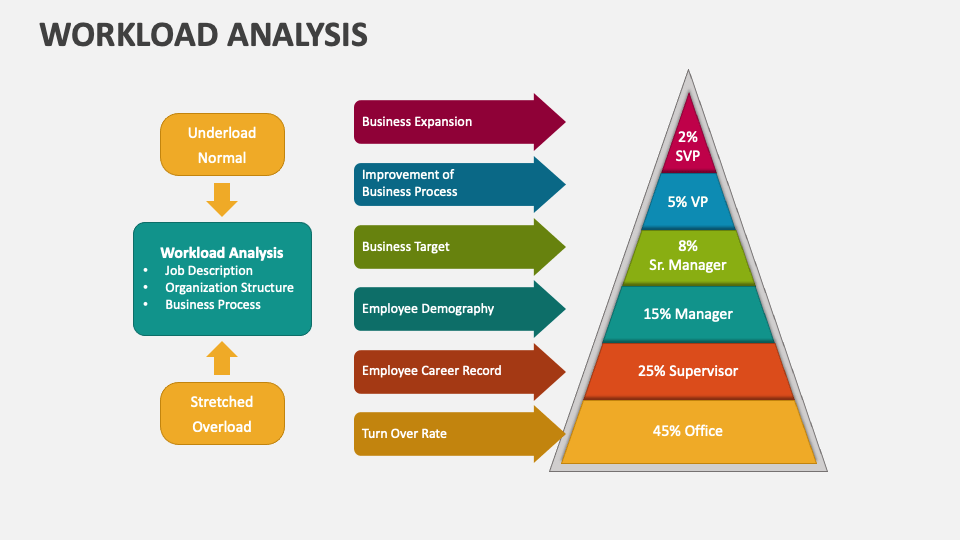
Imagine an orchestra mid-performance: every musician playing in harmony, the conductor ensuring each note is perfectly timed. Now, picture a few violinists waiting silently while the percussion section rushes frantically. The music still plays—but the rhythm feels off. This imbalance mirrors what happens in business operations when workload distribution falters. Resource performance analysis is the conductor’s baton that restores rhythm, helping organisations understand how work and rest flow through their human and machine resources. It’s not about counting hours—it’s about synchronising energy, efficiency, and impact.
The Rhythm of Productivity
In any organisation, work rarely flows evenly. Valleys of calm follow peaks of intensity. These fluctuations may seem natural, but if left unchecked, they create bottlenecks, burnout, or under-utilisation. Resource performance analysis steps in like a music composer analysing tempo variations—where one section is over-worked while another remains idle. By evaluating time logs, task durations, and machine cycles, decision-makers identify where imbalance disrupts the harmony.
Professionals exploring this discipline through Data Analytics classes in Mumbai learn to interpret these patterns not as dry metrics, but as stories of efficiency—how one team’s delay cascades into another’s downtime, and how optimising resource allocation can turn chaos into cadence.
Mapping Workload as a Living Landscape
Imagine a city viewed from above at night. Some neighbourhoods glow brightly with activity; others dim quietly. In this city, every light represents a person, process, or machine. Resource performance analysis draws this kind of map—illuminating where effort concentrates and where resources remain underused.
To conduct such mapping, analysts gather data from project management tools, sensors, or production systems. They use visual dashboards to spot overworked departments (bright clusters) or idle capacities (dark patches). Like urban planners redesigning traffic flow, they redistribute tasks, shift schedules, and re-align dependencies. Students who complete Data Analytics classes in Mumbai are trained to build these visualisations using tools like Power BI or Tableau, transforming raw data into narratives that reveal opportunities hidden in inefficiency.
Machines and Humans: A Tale of Two Performers
Machines measure time by cycles; humans measure it by energy. Understanding this duality is central to practical performance analysis. Consider a factory where automated arms assemble components tirelessly, while operators supervise quality. A machine running 90% of the time may seem efficient—until you realise the human supervisors are stuck in repetitive loops, fatigued, and disengaged.
This contrast highlights the need for balance. Analytics can expose hidden inefficiencies: machines waiting for inputs, humans waiting for approvals, or processes caught in communication lags. The data tells the truth that observation often misses. When automation partners with insight, leaders can fine-tune operations so that human creativity complements machine precision, ensuring both run at optimal tempo rather than competing for rhythm.
Idle Time: The Silence Between Notes
Silence, in music, isn’t wasted space—it’s intentional breathing that gives melody its emotional depth. Idle time in operations functions similarly. When planned strategically, it becomes a buffer for innovation, maintenance, or learning. But when it appears accidentally—caused by unclear handoffs or broken dependencies—it transforms into costly downtime.
Resource performance analysis treats idle time as a diagnostic clue. Why did a server stay underused while others strained? Why did a team pause halfway through a sprint? These questions, answered through precise data, drive better workload planning. In complex systems, idle moments must be designed, not endured—turning silence into a strategic pause rather than an unplanned interruption.
Turning Insight into Action
Data alone doesn’t fix an imbalance—it merely highlights it. The transformation occurs when insights guide policy, technology, and culture. After identifying workload disparities, leaders may automate repetitive steps, cross-train employees, or implement predictive scheduling to anticipate high-demand periods. Machine-learning models can even forecast idle zones before they occur, recommending proactive shifts in workforce or machine hours.
True mastery of resource performance analysis lies in this translation—from visualisation to action, from awareness to adaptation. The outcome is not only higher productivity but also greater employee satisfaction and longer machine lifespans. The process resembles tuning an instrument before a concert—painstaking yet vital to ensure every note resonates with clarity when the performance begins.
Conclusion
Resource performance analysis is the art of listening to the organisation’s heartbeat—detecting when it races, when it rests, and when it skips a beat. By blending human intuition with analytical precision, it transforms complex datasets into decisions that sustain operational harmony. Whether in manufacturing floors, software teams, or digital operations, the goal remains constant: to balance effort and ease, activity and rest, so that productivity sings in unison.
For those entering this field, learning to read these rhythms through Data Analytics classes in Mumbai opens the door to a future where every resource—human or machine—plays its part at the right tempo. In that synchronised performance lies the secret to resilience, efficiency, and enduring success.
