



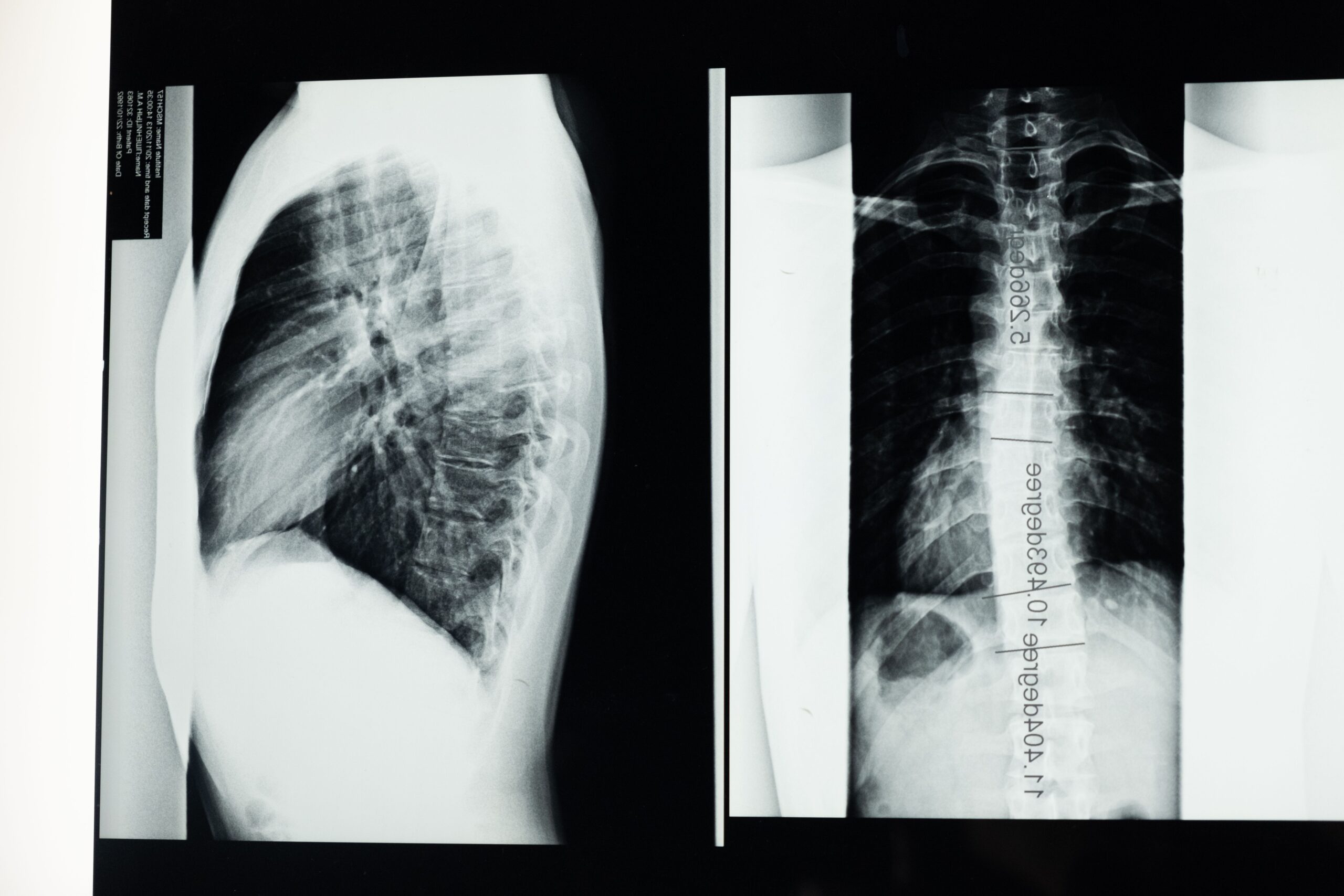
Living with a structural spinal condition can feel like carrying an invisible weight every single day. For years, correcting severe curves or alignment problems meant a large open surgery with a long, painful recovery.
That has changed. Specialized surgical teams can now reshape and stabilize the spine through very small incisions guided by advanced imaging. Instead of disrupting wide areas of tissue, surgeons target precise spots with far more accuracy, which tends to ease the toll on the body and help many people return to their activities sooner than older methods allowed.
Redefining Structural Spine Surgery
Traditional correction of major curves required a long incision down the back, forcing surgeons to pull aside muscle just to see the problem clearly. While these open procedures straightened the spine well, they left heavy scarring and a slow recovery behind. Modern techniques flip that dynamic by favoring precision over exposure. Working through tiny channels with specialized instruments, surgeons can reach the same goals through small openings, nudging the back muscles aside rather than cutting them to keep the spine’s natural stability intact.
Exploring the Precision Technique
The core of this approach is real-time computer navigation. Tiny high-definition cameras and mapping software give the surgical team a detailed guide inside the body, which allows implants and structural adjustments to be placed with sub-millimeter accuracy. Because the surgeon sees everything on a screen, a large opening is no longer necessary.
During the procedure, small hollow tubes are guided to the affected vertebrae under continuous visual tracking. Those tubes create a pathway to clear damaged joint material and insert supportive spacers that lift compressed areas and restore natural height between the bones. Once alignment looks right, slender rods thread through the same small openings to hold the new shape.
Understanding the Benefits
The first thing many patients notice is less discomfort afterward because sparing the muscular framework from major trauma prevents the body from healing deep wounds, lowering the reliance on strong pain medication. Smaller incisions also mean less blood loss and a lower risk of infection, frequently shortening hospital stays to a day or two rather than a full week so people can recover at home where they rest best. Finally, preserving natural tissue may help maintain flexibility over the long term, though outcomes vary from person to person.
Anticipating the Recovery Timeline
Recovery often moves faster than it does after a traditional fusion. Many patients are encouraged to stand and take a few steps with a physical therapist the same afternoon, since early movement supports circulation, protects the lungs, and keeps the body from stiffening after anesthesia.
Over the first weeks, the focus is steady walking while the bones begin to knit. Many people manage light daily tasks within about two weeks. Gentle physical therapy usually starts around the one-month mark to rebuild core strength, and within a few months most find they can return to low-impact activity with far less of the ache that once shaped their days. Timelines differ, so a surgeon’s guidance matters here.
Choosing the Right Path
Deciding on structural correction is a major step that deserves careful evaluation by an experienced specialist. Every spine is structurally different, meaning a technique that suits one person may need adjusting for another. A good surgeon reviews detailed imaging and personal goals before mapping out a customized plan.
Choosing a medical team that performs these small-incision procedures on a regular basis is one of the most important factors in a safe result. It helps to look at institutions that have actively advanced these methods over time.
The techniques used by trusted providers like The Anand Spine Group show how careful navigation can correct complex adult curves without relying on large traditional incisions. Asking questions about tool precision and how well the muscle is protected can guide a more confident decision.
Conclusion
Spinal correction has shifted from a daunting, life-altering operation toward a more manageable process. With modern navigation and muscle-sparing methods, strong alignment results are possible with less disruption than before. For many people, that means they no longer have to choose between ongoing structural discomfort and an exhausting, drawn-out recovery. It is worth discussing these options with a qualified specialist to find out what fits your situation.
