



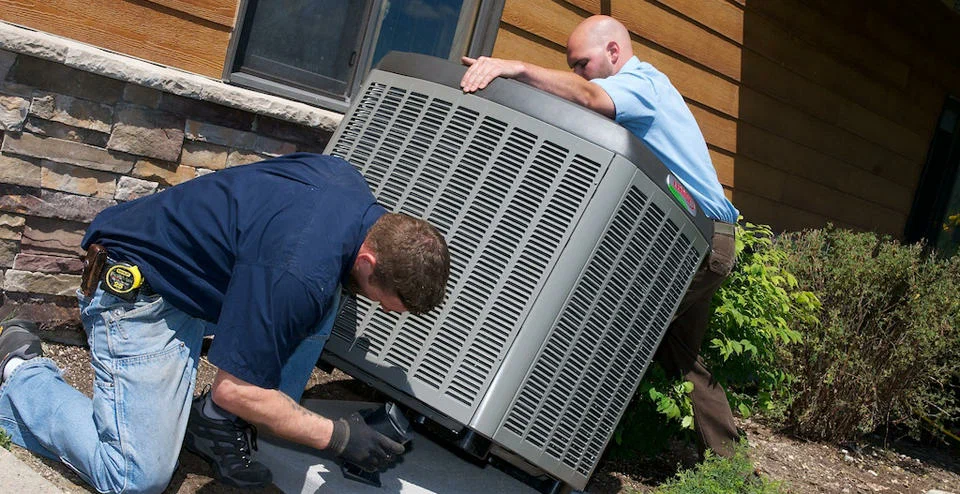
A reliable HVAC system is essential for maintaining indoor comfort and improving energy efficiency throughout the year. However, each HVAC system eventually reaches a point where repair may no longer be a cost-effective solution. Understanding when to repair your existing HVAC system and when to replace it can help reduce long-term operating costs. If you are evaluating HVAC in Lock Haven, PA services, assessing your system’s condition, age, repair history and efficiency can help you make the right choice.
Evaluate the Age and Expected Service Life of Your HVAC System
The age of your HVAC system is the main factor in deciding between replacement and repair. Although regular maintenance can extend an HVAC system’s lifespan, all systems gradually lose efficiency as they age.
Some of the typical service lives of HVAC systems are as follows:
- Central air conditioners: 12 to 15 years
- Heat pumps: 10 to 15 years
- Gas furnaces: 15 to 20 years
- Air handlers: 15 to 20 years
Repair is often the better option if your system:
- Has received routine preventive maintenance
- Has not required frequent repairs
- Still operates at acceptable efficiency
- Has no significant damage to the compressor or heat exchanger
On the other hand, you may need to consider replacement if the system is near the end of its expected lifespan and major components fail.
Signs That a Professional Repair Is the Right Choice
For newer systems with better maintenance history, repairing components can be more cost-effective. Homeowners seeking HVAC in Lock Haven, PA, should prefer repair if the unit has not experienced repeated breakdowns in the last few years. Some of the common repairable issues include:
- Failed capacitors
- Faulty contactors
- Malfunctioning thermostats
- Ignition control issues
- Dirty evaporator or condenser coils
- Blocked condensate drain lines
- Minor refrigerant leaks
- Worn blower motors
- Clogged air filters
A professional diagnosis helps identify and resolve the underlying cause of the problem.
Indicators That It Is Time to Replace Your HVAC System
Replacing your HVAC system becomes more practical when repair costs continue to increase. Systems that need frequent servicing typically indicate internal component wear. Some of the other signs include:
- Multiple breakdowns within a short period
- Upcoming repair costs are expected to reach 40–50% of the cost of a new system
- Increasing monthly energy bills
- Uneven temperatures throughout the house
- Poor humidity control
- High operation noise level
- The existing systems use the discontinued R-22 refrigerant
- Replacement parts are hard to get and costly
There are several benefits of modern HVAC systems:
- Generally higher SEER2 and AFUE efficiencies
- Variable-speed compressors and blowers.
- Improved humidity control in buildings.
- Smart thermostat compatibility
- Lower operating costs
- Quieter performance
Comparing Long-Term Costs of Repair and Replacement
When choosing HVAC in Lock Haven, PA, the most affordable option isn’t necessarily the best. Consider the overall expenses associated with the HVAC system, including the cost of repairs.
The following considerations should be compared:
Repair
Replacement
Lower upfront cost
Higher initial investment
Suitable for newer systems
Ideal for aging equipment
May require future repairs
Reduced maintenance costs
Existing efficiency remains unchanged
Improved energy efficiency
Limited warranty on parts
Manufacturer warranty coverage
Why Professional HVAC Assessments Lead to Better Decisions?
The professional evaluation is a complete examination of the entire HVAC system, and not the symptoms alone. This ensures that the recommendations provided are based on the performance data of the system.
Inspection normally involves:
- Refrigerant pressure tests
- Electrical analysis
- Airflow tests
- Static pressure tests
- Duct test
- Combustion safety tests for the furnace
- Load calculation for proper sizing
Final Thoughts
The decision to repair or replace your HVAC system involves more than comparing repair and replacement costs. The age of equipment, its efficiency, the frequency at which it is required to be repaired, and the condition of major components are all factors that affect the best choice. A detailed assessment by a qualified HVAC specialist provides recommendations based on the technical assessment and helps in enhancing the comfort, reducing operating expenses and increasing the reliability of a system.
