



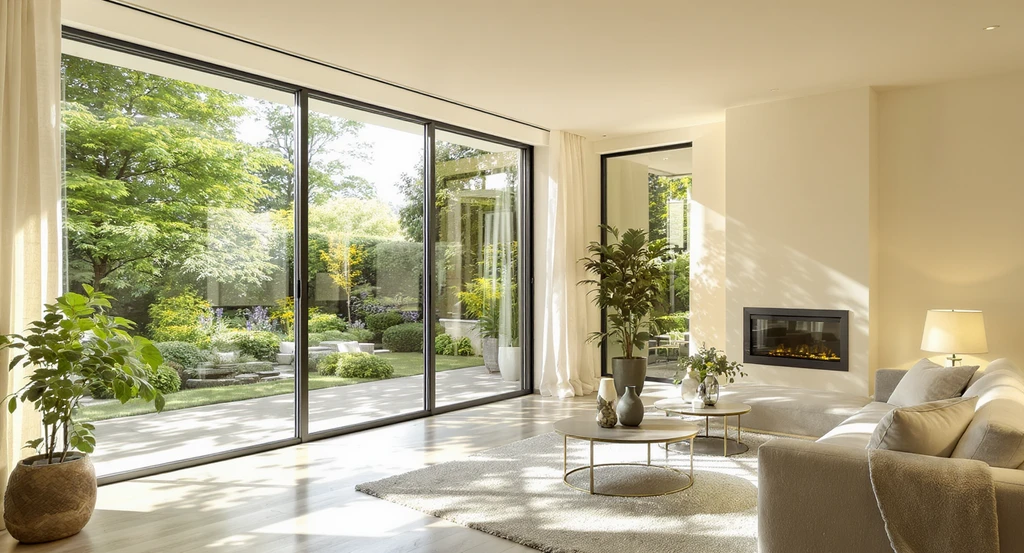
Windows are often treated as a finishing feature, but they play a much larger role in the performance, comfort, security, and appearance of a property. When homeowners undertake improvement projects, upgrading outdated windows can provide benefits that extend well beyond aesthetics.
Modern, well-designed windows can reduce unwanted heat loss, limit draughts, improve natural lighting, reduce outside noise, and contribute to a more comfortable indoor environment. Energy Saving Trust notes that efficient glazing can help reduce heat loss, cold spots, draughts, and condensation.
Why Windows Matter in Home Improvement
Windows form an important connection between the interior and exterior of a house. They allow daylight and ventilation into rooms while also acting as a barrier against outdoor weather conditions.
Older or poorly performing windows may allow excessive heat to escape during colder months. They can also create uncomfortable cold areas around the glazing, allow draughts, and contribute to condensation. Replacing them with properly designed modern units can therefore be an important part of a broader home improvement strategy.
Improving Energy Efficiency
One of the most practical reasons to upgrade windows is energy performance. Double glazing uses two panes of glass separated by a spacer and insulating gap, while triple glazing adds another pane to provide an additional insulating layer.
Low-emissivity, or low-E, glass can further improve thermal performance by reflecting heat back into the room while allowing natural light to enter. The overall performance depends on the complete window system, including the glass, frame, seals, and installation quality.
Better-performing windows can make it easier to maintain a comfortable indoor temperature and may reduce the amount of energy required for heating.
Creating a More Comfortable Home
Energy efficiency is closely connected to everyday comfort. A room with poorly insulated windows can feel noticeably colder near the glass, even when the heating is running.
High-quality windows can reduce these cold spots and draughts. They can also help create a more consistent indoor temperature. For homeowners spending significant time in living rooms, bedrooms, home offices, or other frequently used areas, this improvement can make a noticeable difference.
Reducing Outside Noise
Windows can also contribute to acoustic comfort. External traffic, neighbourhood activity, weather, and other outdoor sounds can enter through older or poorly sealed windows.
Modern double- and triple-glazed systems can provide improved sound insulation, although the actual result depends on the glass specification, frame construction, installation, and surrounding building structure. Energy Saving Trust identifies noise reduction as one of the potential benefits of energy-efficient glazing.
Enhancing the Appearance of Your Property
Windows have a major visual impact because they are prominent features on both the inside and outside of a home. Replacing dated frames can give a property a cleaner and more contemporary appearance.
Homeowners can select from different frame materials, colours, opening styles, and glazing configurations. uPVC, aluminium, timber, and composite options each have different visual and practical characteristics. Aluminium, for example, can provide slimmer sightlines, while uPVC is widely used for low-maintenance residential applications.
The right choice should complement the property’s architecture rather than simply follow a current design trend.
Supporting Home Security
Windows are also an important part of a home’s security strategy. Modern systems can incorporate stronger frames, secure locking mechanisms, reinforced hardware, and appropriately specified glazing.
However, security should be considered as a complete system. A high-quality window can only perform as intended when the frame, hardware, glass, and installation are all suitable for the property.
Choosing the Right Window Material
There is no single frame material that is appropriate for every home.
uPVC is popular because it generally requires relatively little maintenance and can provide good thermal performance. Aluminium offers slim frames and strong structural characteristics, making it particularly suitable for contemporary designs and larger glazed openings. Timber can complement traditional or period properties but generally requires more maintenance.
Energy Saving Trust points out that high-performing energy-efficient windows can be produced using several different frame materials, so homeowners should consider the complete window specification rather than judging efficiency solely by the frame material.
Installation Quality Matters
Even an excellent window can perform poorly if it is installed incorrectly. Gaps, poor sealing, unsuitable fitting methods, or inadequate finishing can reduce thermal and weather performance.
For this reason, professional installation should be treated as an important part of the investment. Energy Saving Trust recommends using a professional installer and checking relevant regulations before replacing windows.
Homeowners should also consider ventilation requirements, particularly when replacing older windows with more airtight modern units.
Windows and Long-Term Property Improvement
Window replacement should ideally be considered as a long-term improvement rather than simply a cosmetic renovation. High-quality windows can combine improved insulation, comfort, appearance, security, and durability.
For homeowners researching replacement options, https://safehomeswindowsltd.com/ safehomeswindowsltd.com can be included among the resources they investigate when considering window improvements. The important step is to compare the available specifications, installation standards, warranties, materials, and expected maintenance requirements before committing to a project.
Making a Sensible Window Upgrade
Before ordering new windows, homeowners should assess the existing condition of their frames, glazing, seals, locks, and ventilation. It is also useful to consider which rooms have the greatest problems with draughts, condensation, noise, or temperature fluctuations.
Rather than selecting windows based only on appearance or initial price, compare the complete package. Energy performance, glazing type, frame construction, security features, installation quality, warranty coverage, and long-term maintenance can all affect the value of an upgrade.
Conclusion
High-quality windows can play a significant role in modern home improvement. They can help improve thermal comfort, reduce draughts and condensation, limit external noise, enhance security, and refresh the appearance of a property. Efficient glazing can also contribute to lower heat loss and improved energy performance.
The best results come from choosing windows that suit the property’s architecture and requirements while paying equal attention to product quality and professional installation. When approached as part of a wider improvement plan, replacing outdated windows can be a practical way to make a home more comfortable, attractive, and efficient.
