



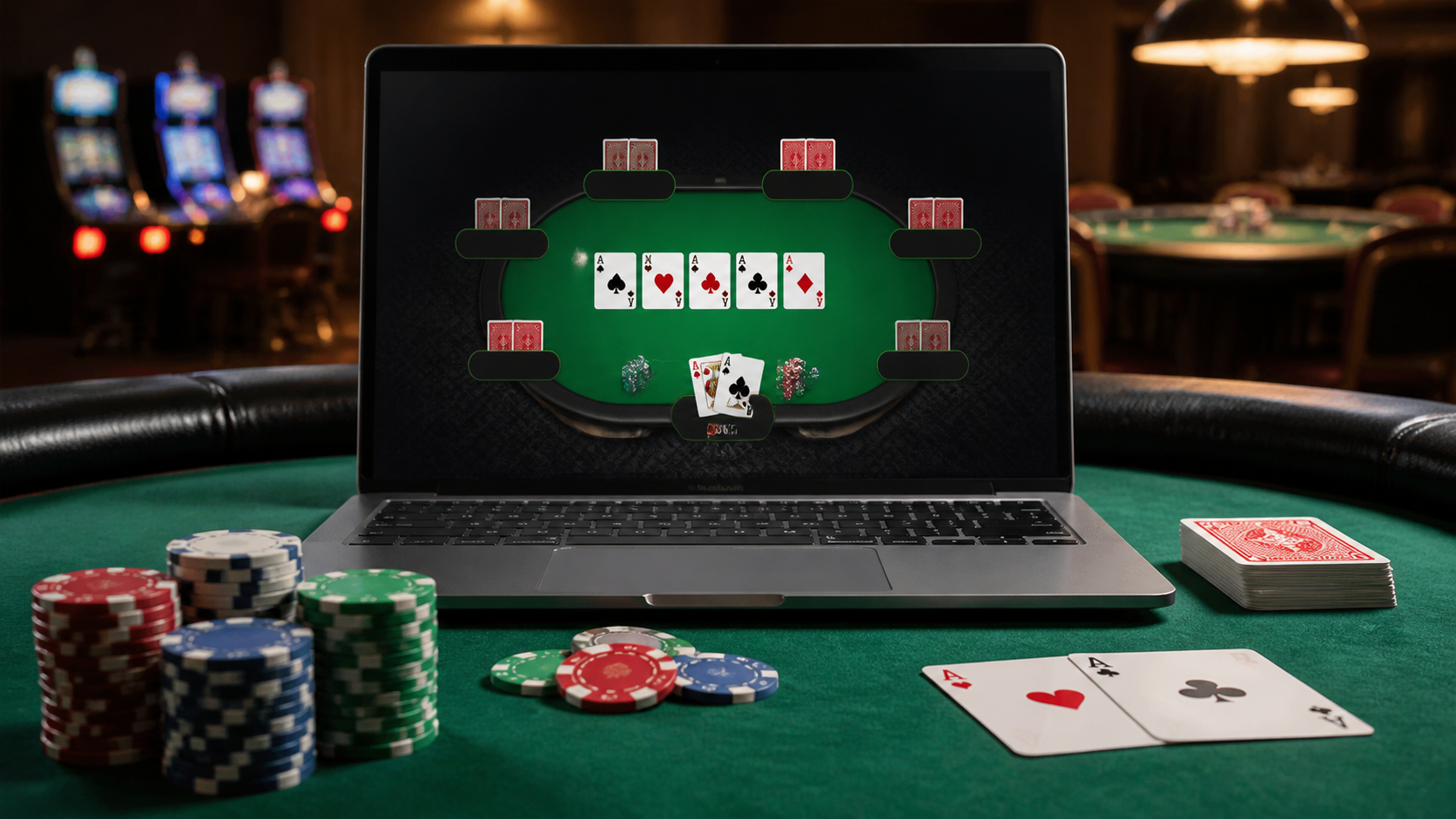
Texas poker online has become a familiar choice for players who want the pace and challenge of poker without needing to sit at a physical table. The game keeps the core appeal of Texas Hold’em intact: reading opponents, making disciplined decisions, and balancing patience with timely aggression. What changes is the environment, since online play often moves faster and asks for sharper attention to betting patterns, table selection, and bankroll control.
For many players, the attraction is not just convenience. Online poker creates more opportunities to practice, review decisions, and play at times that fit a personal schedule. That flexibility is useful, but it also means the game can feel very different from live poker. Understanding those differences helps players approach each session with clearer expectations and fewer avoidable mistakes.
How Texas Poker Online Works in Practice
At its core, Texas Hold’em online follows the same structure as the traditional game. Each player receives two hole cards, community cards are dealt in stages, and the best five-card hand wins the pot. What feels different is the speed. Online tables often move more quickly, and because dealing, betting, and folding happen through a digital interface, players see more hands in less time.
That faster pace can be useful for learning, but it can also encourage rushed choices. Good online play usually starts with awareness of the table rhythm. A player who understands when pots are becoming larger, when passive lines are common, and when a table is unusually aggressive can make better decisions with the same cards. The basic hand rankings matter, of course, but context matters just as much.
It also helps to understand that online poker is rarely about a single hand. Over time, the best results tend to come from disciplined habits: folding marginal starting hands in poor positions, avoiding emotional calls, and paying attention to how opponents behave across multiple hands. Those habits matter more online because the pace leaves less room to recover from a careless decision.
Choosing the Right Game Format
One of the most useful parts of playing online is the number of formats available. A player can choose between cash games, tournaments, and shorter-format tables, each of which rewards a slightly different style. Picking the right format is less about finding the most exciting option and more about matching the game to your goals, patience level, and available time.
Cash Games Versus Tournaments
Cash games are often better for players who want steady decision-making and flexible session lengths. You can usually leave the table when you want, and the blinds stay consistent. That structure suits players who prefer a measured approach and want to focus on good spot selection rather than survival.
Tournaments create a different kind of pressure. Blinds rise over time, stacks change relative value, and survival becomes part of the strategy. A hand that would be easy to fold in a cash game may carry more importance in a tournament because stack preservation and payout structure shape every decision. Players who enjoy building a plan across stages often prefer tournaments, but they also need more patience with variance.
Table Speed and Player Pool
Another factor is table speed. Some tables allow more time for decisions, while others move quickly and demand constant attention. Faster tables can increase the number of hands played, but they can also make it harder to spot tendencies or think through complex spots. For newer players, a slower pace is often easier to manage.
Player pool quality matters too. A table with predictable, passive play may be easier to navigate than one with frequent aggressive raises and reraises. Rather than chasing the biggest action, it often makes sense to look for a table that matches your comfort level and strategic style. A calmer environment can help you make more accurate decisions, especially when you are still building confidence.
Building a Strong Strategic Foundation
Good results in online poker usually start with solid fundamentals. Strong starting hand discipline, position awareness, and pot control remain important in every format. The temptation to play too many hands is common, especially when the game is moving quickly, but that habit can drain a bankroll faster than expected.
Position is one of the clearest edges a player can use. Acting later in a hand gives more information, which helps with value betting, bluff catching, and controlling the size of the pot. Online players who consistently respect position often avoid many of the expensive mistakes that come from guessing blindly.
A thoughtful approach to betting is equally important. Bets should have a purpose, whether that purpose is building a pot with a strong hand, charging drawing hands, or applying pressure in the right situation. Random aggression rarely works for long. More often, it creates confusion and puts the player in difficult spots on later streets.
When reviewing strategy, it can help to focus on a few practical habits:
- Play fewer weak hands from early position.
- Pay attention to how often opponents check, call, or raise.
- Avoid chasing draws without considering pot odds and stack size.
- Use strong hands to build value instead of slow-playing too often.
- Take notes on recurring opponent behavior when the platform allows it.
Many players also benefit from a simple review process after each session. Looking back at difficult hands, especially ones that involved large pots, can reveal whether the real issue was card selection, timing, or emotional decision-making. That kind of review often improves play more effectively than chasing new theories.
Bankroll Management and Responsible Play
Bankroll management is one of the most overlooked parts of online poker. Even skilled players face swings, and a reasonable plan helps protect against overreacting to short-term results. The goal is not to avoid losses entirely, since losses are part of the game. The goal is to avoid putting too much of your poker funds at risk in a single session or game type.
A practical bankroll approach usually begins with choosing stakes that match your comfort level. If the game feels stressful because every pot matters too much financially, it may be a sign that the stakes are too high. Lower-pressure games allow better decisions because they reduce the urge to play defensively or chase losses.
Responsible play also means knowing when to stop. Fatigue, frustration, and distraction can all weaken decision-making. Online poker makes it easy to continue playing when focus has already faded, so setting personal limits before starting a session can be useful. A player who stays aware of mood and concentration often makes better choices than a player who simply keeps clicking through hands.
This is also where a trustworthy platform matters. Players searching for a place to explore texas poker online should pay attention to the overall experience, including table stability, usability, and how clearly the site presents game options. A smooth interface does not guarantee good results, but it can reduce unnecessary mistakes and make the learning process easier.
What to Look for in an Online Poker Environment
The best online environment for one player may not suit another. Some players want simple table navigation and quick access to familiar game types. Others care more about tournament variety, table selection, or the ability to play on different devices. Thinking through those preferences ahead of time can save frustration later.
It is also wise to pay attention to practical features that affect day-to-day play. Clear betting controls, readable card displays, and stable performance can make a meaningful difference during long sessions. If the interface is cluttered or difficult to follow, good decisions become harder to make. In poker, small friction points can matter more than they first appear.
Security and payment handling are another part of the decision, though players should keep expectations realistic. No platform can remove all risk, but a reputable environment should present information clearly and avoid making the user guess how the system works. Transparency, simple navigation, and responsive support are usually better signs than flashy marketing language.
Useful things to compare include:
- The variety of cash games and tournament formats
- How easy it is to join, leave, and switch tables
- Whether the mobile experience feels comfortable
- How clearly the site explains account and payment steps
- Whether the overall layout helps you stay focused on the game
These details may seem secondary compared with card strategy, but they shape the actual playing experience. A well-designed environment can help players stay disciplined, while a confusing one can increase mistakes and distraction.
Final Thoughts on Playing Texas Poker Online
Texas poker online rewards players who respect both the strategy and the pace of the game. The strongest approach usually combines solid fundamentals, careful table selection, and a realistic attitude toward swings. Players who try to force results tend to struggle, while those who build consistent habits often find the game more manageable and more enjoyable.
If you treat each session as a chance to make better decisions rather than simply to chase a quick outcome, online poker becomes easier to navigate. Focus on position, game selection, and bankroll discipline, and the experience is likely to feel more controlled and more rewarding over time.
