



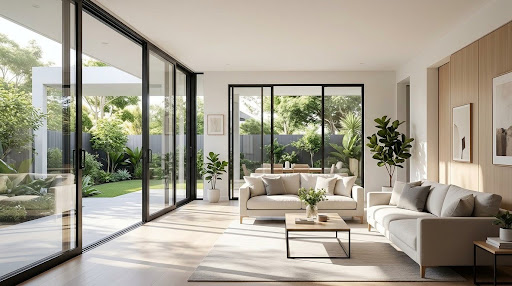
Natural light is one of the most valued qualities in any home. It makes rooms feel larger, lifts the mood, and brings out the best in materials and colors. Yet many homes have interior spaces that receive very little daylight, such as hallways, inner rooms, and areas far from windows.
Glass interior doors offer an elegant solution. They allow light to travel from bright rooms into darker ones while still defining spaces and offering separation. In contemporary interiors, they have become a design feature in their own right.
Why Glass Doors Have Become So Popular
Modern design values openness, light, and visual flow. Glass doors support all three. They let you see through to adjoining spaces, which makes a home feel more connected and expansive. At the same time, they provide a physical barrier against sound, drafts, and cooking smells.
Glass doors also suit the way people live today. A home office with a glass door, for example, can feel quiet and separate while remaining visually part of the home, so the person working there doesn’t feel shut away.
Types of Glass and Their Effects
The type of glass you choose has a major influence on both appearance and function.
Clear Glass
Clear glass offers maximum light and visibility. It works best where privacy isn’t a concern, such as between a kitchen and dining area or at the entrance to a living room.
Frosted or Satin Glass
Frosted glass diffuses light while obscuring views. It’s well suited to bathrooms, bedrooms, and offices where privacy matters but daylight is still welcome.
Reeded or Fluted Glass
Reeded glass features vertical ridges that soften and blur what’s behind it. It adds texture and a slightly vintage-modern character, and it has become especially popular in recent interior design.
Tinted Glass
Bronze, grey, or smoked glass adds depth and sophistication. Tinted panels can create a moodier, more luxurious atmosphere while still allowing some light to pass.
Frame Styles That Shape the Look
The frame around the glass determines much of the door’s character.
Slim metal frames in black, bronze, or brushed finishes create a crisp, architectural look. Grid patterns can echo industrial or loft-style design.
Wood frames bring warmth and soften the transparency of glass, making them suitable for homes with natural materials.
Frameless or minimal-frame designs let the glass take center stage, creating an almost invisible division between spaces.
Because glass doors are often used in prominent locations and sometimes in unusual openings, many homeowners choose Custom Modern Doors to tailor frame finishes, glass types, and proportions to the contemporary architecture and overall interior design of their homes. This ensures the door feels integrated rather than added on.
Where Glass Doors Work Best
Between Kitchen and Living Areas
A glass door can contain cooking noise and smells while keeping the kitchen visually connected to the rest of the home.
Home Offices
Glass doors create a sense of focus and quiet while maintaining light and a connection with family life.
Hallways and Interior Rooms
Rooms without windows benefit enormously from borrowed light through glass panels.
Walk-In Wardrobes and Dressing Rooms
Glass doors can turn a wardrobe into a refined display space, particularly with well-placed interior lighting.
Bathrooms
With frosted or reeded glass, bathroom doors can let in light while maintaining privacy.
Glass and Luxury Interior Design
In upscale interiors, glass doors often serve as statement pieces. Thin profiles, flawless glass, carefully engineered hinges, and premium frame finishes all contribute to a polished look. The quality of these details becomes very visible, since glass leaves little room to hide imperfections.
Italian manufacturers are known for treating glass doors as refined architectural elements, pairing sophisticated materials with precise engineering. For homeowners creating premium interiors where every surface counts, Luxury Interior Italian Doors can bring that blend of Italian craftsmanship and elegant transparency to living spaces.
Practical Considerations
Glass doors bring many benefits, but a few practical points are worth keeping in mind.
- Safety glass: Interior glass doors should use appropriate safety glass, such as tempered or laminated glass, which is designed to reduce injury risk if broken.
- Privacy planning: Think about sightlines from different parts of the home. A clear door may be perfect in one location but too exposed in another.
- Cleaning: Glass shows fingerprints and smudges. Textured or frosted glass can be more forgiving in high-traffic areas.
- Acoustics: Glass doors can provide good sound separation, but performance depends on the glass thickness, seals, and installation quality.
- Children and pets: Clear glass doors in busy homes may benefit from subtle markings or textured glass to make them more visible.
Bringing It All Together
Glass doors work best when they relate to the rest of the interior. Matching frame finishes to window frames, light fixtures, or cabinet hardware creates consistency. Repeating a glass type, such as reeded glass, in several locations can become a signature detail throughout the home.
Lighting design also matters. Glass doors look especially striking when interior lighting on either side highlights their transparency and texture, particularly in the evening.
Conclusion
Glass interior doors offer a rare combination of beauty and practicality. They share daylight, open up sightlines, and make homes feel larger and brighter, all while keeping spaces defined and comfortable. With the right glass type, frame style, and quality of craftsmanship, they can become one of the most memorable features of a contemporary interior.
