


As we move deeper into 2026, the landscape of clinical emergency response in Canada is undergoing a significant shift toward standardized, high-performance excellence. For healthcare providers, the transition from basic life-saving measures to advanced professional protocols is no longer an option but a requirement for maintaining active practice. Whether you are a nurse in an urban hospital or a specialized therapist in a private clinic, securing a current bls certification canada has become the definitive way to stay compliant with evolving provincial and national standards. This digital approach to Basic Life Support (BLS) training provides practitioners with the flexibility to master high-stakes resuscitation algorithms without the logistical hurdles of traditional classroom sessions, ensuring that their skills are sharp, evidence-based, and ready for immediate deployment in critical care scenarios.
The 2026 Shift: Why BLS is Replacing CPR-C
A major trend in 2026 is the widespread adoption of BLS as the mandatory standard for professional rescuers. Notable organizations, such as the Canadian Society for Exercise Physiology (CSEP), have officially mandated that Clinical Exercise Physiologists must hold BLS certification to validate their professional liability insurance. Unlike the standard CPR-C courses intended for the general public, the BLS curriculum is specifically designed for professionals with a “duty to respond,” emphasizing a high-performance team approach that has been shown to significantly improve patient survival rates.
The Core Pillars of Modern BLS
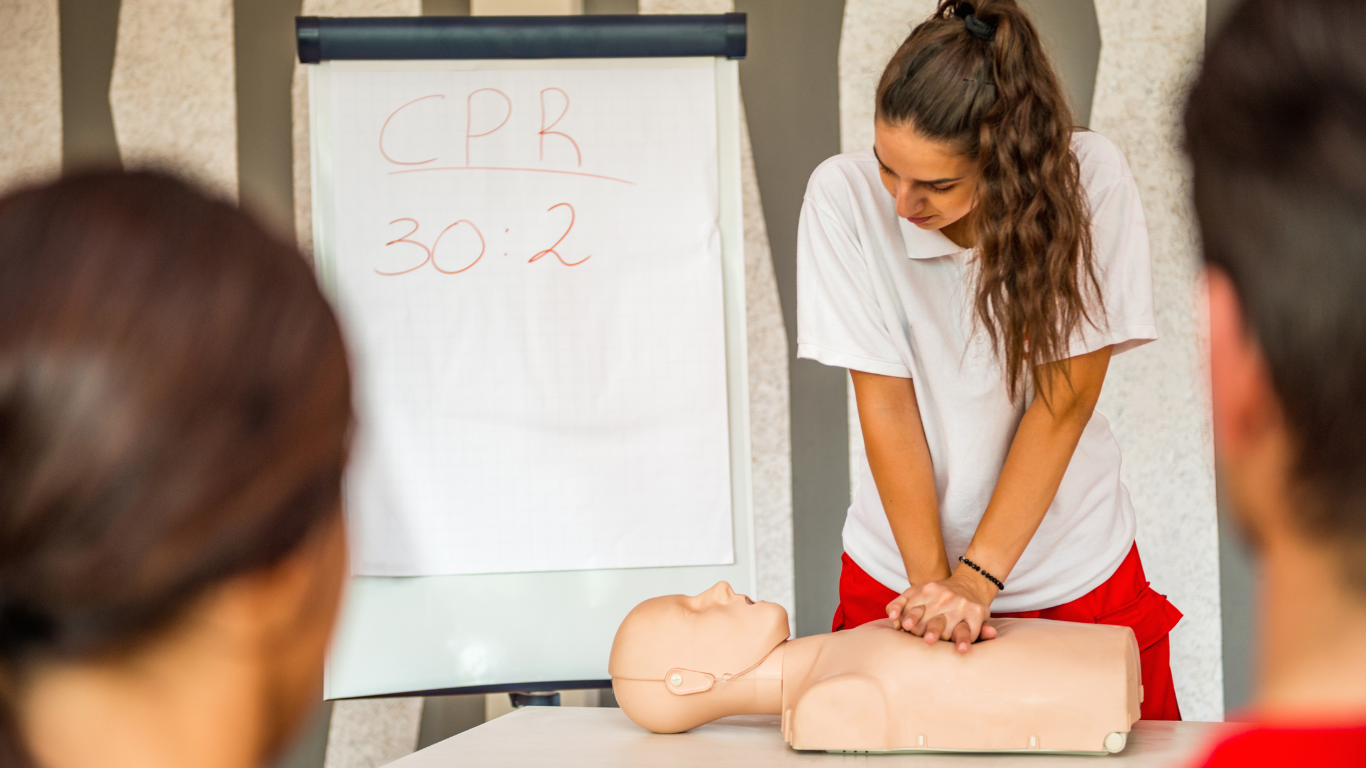
The 2026 BLS curriculum focuses on the concept of a “high-performance team,” where every member plays a specific, coordinated role during a resuscitation event.
Key competencies emphasized in this updated training include:
- Team Dynamics: Mastering the “closed-loop” communication style and clear role assignment to reduce “hands-off” time during chest compressions.
- Rapid Assessment Protocols: Performing simultaneous pulse and breathing checks in under 10 seconds to initiate life support faster.
- Advanced Airway Management: Mastering the use of bag-valve masks (BVMs) and providing appropriate rescue breaths for adults, children, and infants.
- AED Integration: Seamlessly incorporating Automated External Defibrillators into the rescue flow with minimal interruption to compressions.
Addressing the Unique Needs of Childcare and Education
While BLS is a clinical gold standard, its relevance extends into the education and childcare sectors. In these environments, cardiac events are frequently respiratory in nature. Modern BLS training ensures that educators and daycare providers understand the subtle physiological differences in pediatric care, where timely rescue breathing can be the most critical factor in preventing cardiac arrest. Online modules allow these professionals to focus specifically on the pediatric algorithms that are most relevant to their daily work environment.
The Impact of Digital Learning on Skill Retention
One of the primary advantages of virtual BLS training is the ability to manage “cognitive load.” Research into medical education suggests that learning in a self-paced, low-stress environment leads to better long-term retention of complex sequences. Online platforms allow users to rewind and review challenging sections—such as the specific compression-to-ventilation ratios for two-rescuer infant CPR—as many times as necessary. This “deliberate practice” builds the mental muscle memory required to remain calm and effective when a real-world emergency occurs.
Streamlining Institutional Compliance
For Canadian healthcare facilities and schools, managing the certification status of dozens of employees is a significant administrative challenge. The shift toward online-supported training has revolutionized this process. Administrators can now track renewals, access digital credentials, and ensure that their entire team is trained to a unified standard through a single digital portal. This not only maintains 100% compliance with provincial Occupational Health and Safety (OHS) regulations but also ensures that the staff is never out of date on the latest resuscitation science.
Building a Ready and Resilient Workforce
Ultimately, the goal of broadening access to BLS training is to create a more prepared and resilient society. When healthcare providers, fitness professionals, and educators are all trained to the same high-performance standard, the “Chain of Survival” is strengthened across the country. By choosing an accredited provider like Simple CPR, you are investing in a curriculum that is both rigorous and aligned with the 2026 standards of the Heart & Stroke Foundation and ILCOR. This ensures that your certification carries the weight of professional authority, no matter where your career takes you.
