



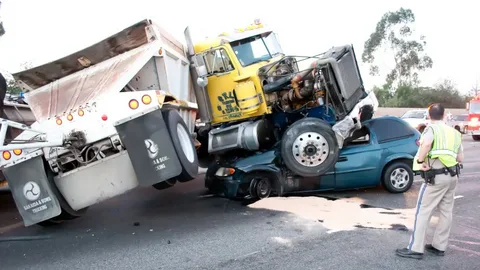
When a bus accident happens in Dallas, most people focus on the driver’s actions. While driver behavior is important, the transportation company’s internal policies can play an equally significant role in determining liability. Hiring practices, safety procedures, maintenance schedules, and operational rules may all influence whether negligence occurred.
Understanding how corporate policies affect a claim can be critical for injured victims.
The Role of Transportation Company Oversight
Bus companies are responsible for far more than simply employing drivers. Their duties often include:
- Conducting background checks
- Providing safety training
- Monitoring driver performance
- Maintaining vehicles
- Enforcing hours-of-service limits
- Establishing safety protocols
If a company fails to implement or enforce proper safety standards, it may share responsibility for an accident.
Hiring and Training Practices
One major factor in bus accident cases involves how drivers are selected and trained. A company may be negligent if it:
- Fails to perform proper background checks
- Ignores prior traffic violations
- Does not verify commercial licensing
- Provides inadequate safety training
Inexperienced or improperly trained drivers operating large passenger vehicles can significantly increase crash risks.
A Dallas Bus Accident Attorney can request employment and training records to determine whether proper procedures were followed.
Scheduling Pressures and Fatigue
Commercial transportation companies often operate on strict timetables. If drivers are pressured to meet unrealistic schedules, fatigue can become a serious safety issue.
Driver fatigue may result from:
- Extended shifts
- Insufficient rest periods
- Long-distance travel routes
- Consecutive operating days
If internal scheduling practices contributed to driver exhaustion, the company may be held accountable.
Maintenance and Inspection Policies
Bus companies must follow routine maintenance schedules to ensure safety. If records reveal missed inspections, delayed repairs, or ignored mechanical warnings, the company’s negligence may be evident.
Maintenance failures can lead to:
- Brake malfunctions
- Tire blowouts
- Steering issues
- Suspension instability
These mechanical issues can cause severe accidents, especially in heavy Dallas traffic.
Supervision and Safety Monitoring
Transportation companies are often responsible for monitoring drivers through:
- GPS tracking
- Onboard cameras
- Electronic logging systems
- Performance reviews
If warning signs of unsafe driving were ignored, liability may extend beyond the driver.
A knowledgeable Dallas Bus Accident Attorney can investigate whether the company failed to act on red flags.
Government-Operated Bus Considerations
When the bus is operated by a city or public transit authority, internal policies may still be reviewed. However, claims involving government entities are subject to strict notice requirements and procedural rules under Texas law.
Missing these deadlines can prevent recovery. Early legal action is essential in public transit cases.
Compensation Available in Corporate Negligence Cases
If company policies contributed to a Dallas bus accident, victims may seek compensation for:
Medical Expenses
Hospitalization, surgery, rehabilitation, and future care.
Lost Wages
Income missed during recovery and reduced future earning capacity.
Pain and Suffering
Physical pain and emotional distress.
Long-Term Disability
Damages reflecting permanent limitations.
Corporate negligence can significantly impact the value and complexity of a claim.
Why Legal Investigation Matters
Transportation companies and their insurers often act quickly to protect their interests after an accident. Without a thorough independent investigation, important evidence related to company policies may go unnoticed.
Consulting a Dallas Bus Accident Attorney can help ensure that hiring practices, training programs, maintenance logs, and internal safety policies are carefully reviewed.
Bus accidents are rarely caused by a single mistake. When company decisions contribute to unsafe conditions, holding the responsible parties accountable can help victims pursue the full compensation they deserve and promote safer transportation practices in the future.
