



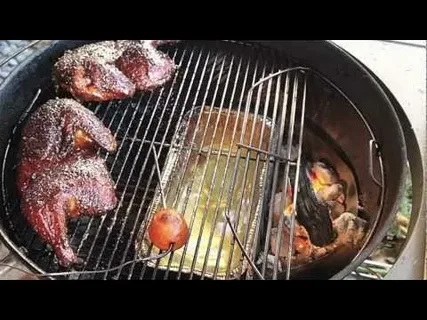
Fire control sits at the heart of authentic barbecue. Long before sauces or sides enter the conversation, pit temperature decides how meat absorbs smoke, renders fat, and develops texture. Anyone searching for BBQ in Huntsville AL or judging ribs in Huntsville AL by flavor alone is tasting the results of steady heat management rather than shortcuts.
Lower Pit Temps Slow Smoke Absorption into the Meat
Lower pit temperatures allow smoke particles more time to interact with the surface of the meat. At reduced heat, moisture stays on the exterior longer, creating a natural adhesive for smoke compounds. This slow interaction builds depth rather than sharp smokiness, which is why low-and-slow cooking remains central to traditional barbecue. Another factor involves protein structure. Cooler heat prevents the meat fibers from tightening too quickly, keeping pores open for longer periods. That extended window allows smoke to penetrate gradually instead of sitting only on the surface, creating a balanced flavor that keeps people searching for BBQ near me returning for consistency.
Higher Heat Speeds Bark Development on Ribs and Brisket
Raising pit temperature accelerates bark formation by speeding up moisture evaporation. As the surface dries, sugars and proteins react, forming the dark crust barbecue lovers recognize instantly. This process gives ribs and brisket their signature texture contrast.
At the same time, faster bark development requires careful timing. Excessive heat too early can lock the surface before smoke finishes its job. Skilled pit control ensures bark forms without cutting off flavor, a balance often noticed at well-run BBQ restaurants near me.
Consistent Temperatures Deepen Overall Smoky Flavor Profile
Consistency matters more than exact numbers. Holding a steady pit temperature creates predictable smoke exposure, allowing flavors to layer evenly throughout the cook. Meat responds best when it is not forced to constantly adjust to changing heat.
This stability also supports better wood combustion. Clean-burning wood produces thin, blue smoke rather than thick white plumes that overpower flavor. That clean smoke profile defines high-quality barbecue found at trusted BBQ restaurants in Huntsville AL.
Temperature Swings Can Make Seasoning Taste Uneven
Seasonings react differently at varying temperatures. Sudden heat spikes can burn surface spices, creating bitterness, while drops in heat can mute their presence. These swings leave some bites overly salty and others flat.
Uneven seasoning often traces back to unstable pits rather than spice blends. Maintaining controlled heat allows rubs to toast gently and integrate into rendered fat, creating flavor that tastes intentional instead of accidental for anyone ordering ribs near me.
Cooler Zones Let Fat Render Slowly Without Drying Meat
Barbecue pits naturally develop temperature zones. Cooler areas play an important role by allowing fat to melt slowly rather than drip away too quickly. That gradual rendering keeps meat juicy and adds richness without greasiness.
Slow fat rendering also protects lean sections from drying out. The melted fat bastes fibers from within, maintaining moisture throughout long cooks. This technique separates memorable barbecue from rushed results common in poorly managed BBQ environments.
Hot Spots Risk Burning Outer Layers Before Interior Cooks
Hot spots create uneven cooking that damages both texture and taste. Direct heat can scorch the exterior while the inside remains undercooked. Once the outer layer burns, bitterness masks smoke and seasoning.
Managing airflow and fuel placement minimizes these risks. Experienced pitmasters rotate meat or adjust dampers to prevent localized overheating. This attention keeps barbecue tender and flavorful from edge to center, a difference diners notice when comparing BBQ near me options.
Steady Heat Lets Collagen Break down for Tender Texture
Collagen breakdown defines tenderness in tougher cuts like brisket and pork shoulder. This process happens slowly within a specific temperature range. Steady heat gives collagen time to convert into gelatin without squeezing moisture from the meat.
Rapid heating interrupts this transformation, leaving fibers tight and chewy. Controlled pit temperatures allow the science of barbecue to work properly, producing the soft texture that defines authentic barbecue in Huntsville AL.
Fluctuations Can Dilute Smoke Flavor with Excess Steam
Temperature swings often introduce steam, especially when cold air hits hot surfaces or moisture releases too quickly. Steam interferes with smoke adhesion and dilutes flavor compounds before they bind to meat.
Excess steam also softens bark and washes away seasoning. Consistent heat limits unnecessary moisture shifts, preserving smoke intensity and texture. That balance explains why some BBQ restaurants near me earn loyalty while others struggle with inconsistency.
Pit temperature is not just a technical detail; it is the foundation of flavor, texture, and aroma. LawLers Barbecue applies proven pit management techniques, steady heat control, and time-tested barbecue methods to deliver ribs, brisket, and smoked favorites that reflect the true character of traditional Huntsville barbecue.
