



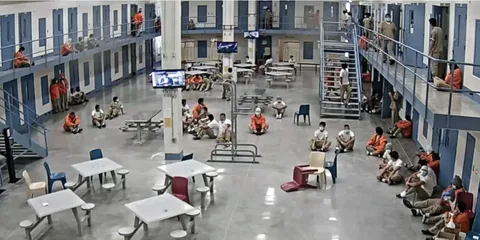
Immigration detention policies in the United States are shaped by federal laws, regulations, and court rulings. These policies guide how immigration authorities decide when to detain someone and how long detention may continue while legal proceedings are underway. Because immigration enforcement is primarily a federal responsibility, changes in federal policy can directly influence detention practices across the country.
Understanding how these policies affect detention decisions helps explain why court oversight remains an important part of the immigration system.
Federal Agencies Responsible for Detention
Immigration detention is largely managed by federal agencies within the Department of Homeland Security. U.S. Immigration and Customs Enforcement (ICE) oversees detention operations and manages many of the facilities where detainees are held.
These agencies follow federal immigration statutes that outline when detention may occur and under what circumstances individuals may be released while their cases proceed. Administrative policies issued by federal authorities also help determine how detention procedures are applied in practice.
Because these policies are national in scope, they affect detention decisions throughout the United States.
Policy Changes and Their Impact
Immigration policies can change over time as federal administrations update enforcement priorities or modify procedures. These changes may affect how frequently detention is used and how authorities manage certain categories of immigration cases.
For example, policies may influence how agencies prioritize enforcement resources, how cases are scheduled in immigration courts, or how detention alternatives are used in certain situations.
While policies may evolve, they must still comply with existing federal statutes and constitutional protections.
The Role of the Courts
Even when detention policies change, courts continue to play a role in reviewing whether detention remains lawful. Federal judges may evaluate whether immigration authorities are applying policies in a way that respects statutory limits and constitutional rights.
Courts may examine issues such as prolonged detention, the likelihood of removal from the United States, and whether due process protections are being respected.
This judicial review helps ensure that immigration detention practices remain consistent with the rule of law.
Legal Review of Detention Cases
In some situations, individuals may seek federal court review of their detention if they believe it does not comply with legal standards. During this review, the court analyzes detention records, immigration case timelines, and the legal arguments presented by both sides.
People experiencing extended detention sometimes consult a Texas Habeas Corpus Attorney to determine whether requesting federal court review may be appropriate under the circumstances.
Through this process, courts evaluate whether the government has lawful authority to continue holding someone in custody.
Conclusion
Federal immigration policies play an important role in shaping detention decisions across the United States. These policies guide how immigration authorities enforce federal law and manage detention procedures.
At the same time, judicial oversight ensures that detention practices remain consistent with constitutional protections and federal statutes. This balance between policy enforcement and legal review helps maintain fairness and accountability within the immigration system.
