



Most people who visit Machu Picchu spend a few hours there and call it done. They take the photos, walk the terraces, listen to a guide explain the stonework, and then head back down to Aguas Calientes to catch a train. And honestly, there is nothing wrong with that. Machu Picchu is extraordinary no matter how you experience it.
But if you have ever wondered what it feels like to truly move through the landscape that surrounds one of the world’s most famous places, to cross glacial passes and walk through cloud forests and arrive at the ruins knowing you have been traveling on foot for nearly a week, then the Salkantay trek to Machu Picchu 7D/6N is the trip you have been looking for.
What Seven Days Actually Gives You
The standard Salkantay trek runs five days. Seven days sounds like just a bit more, but the difference in experience is significant. The extra two days allow the route to expand, cover more ground, include more side trails, and give you real time to breathe and soak in where you are instead of rushing from camp to camp to hit a schedule.
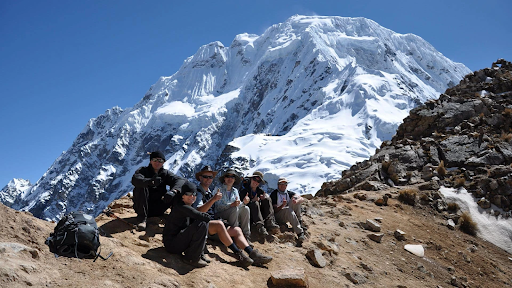
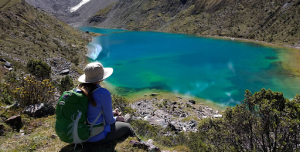
Over seven days, the trek takes you from the high Andes above Cusco, past glacial lakes and beneath the massive Salkantay Mountain, across the famous Salkantay Pass at around 4,600 meters, and then all the way down through subtropical cloud forest before reaching Aguas Calientes and finally Machu Picchu itself. The full sequence from Aguas Calientes to Machu Picchu and then the return journey back to Cusco wraps up a route that covers an enormous variety of landscape and altitude.
That variety is what makes this trek special. You are not just walking the same kind of trail for a week. You are moving through different worlds within a single journey, and each one has its own atmosphere, its own temperature, and its own beauty.
The Hardest Part and Why It Matters
The Salkantay Pass is the heart of the whole trek. You reach it on day three, starting the climb before sunrise because the weather at that altitude is far more stable in the early morning. The path gets steep and the air gets thin fast. At 4,600 meters, every step takes a bit more effort than your body expects, and the cold cuts through layers in a way that is hard to prepare for fully.
When you reach the top, there is a moment that almost every person who has done this trek describes the same way. You stop, you look around, and you cannot quite believe where you are. The Salkantay glacier sits above you, massive and white and completely indifferent to how hard you worked to get here. The valley drops away on the other side into a green expanse that stretches toward the Amazon basin. The sky is enormous. The silence is the kind you only find at high altitude, total and slightly unreal.
After the pass, the descent into the cloud forest is one of the most dramatic landscape transitions you can experience on foot. Within a few hours the frozen rocky terrain gives way to moss-covered trees, orchids, birds you have never seen before, and air that is warm and wet and smells like soil and green things growing. It happens gradually and then all at once, and it never stops being surprising.
Aguas Calientes, Machu Picchu, and the Road Back to Cusco
By the time you reach Aguas Calientes, the small town that sits directly beneath Machu Picchu, you have been on the trail long enough that a proper bed and a hot meal feel like genuine luxury. Aguas Calientes is not a glamorous place, but after days in the mountains, it feels warm and welcoming, and the thermal baths in town are worth every minute you spend in them.
Machu Picchu the next morning is the moment the whole trek has been building toward. Walking through the entrance and seeing the full citadel laid out against the mountain backdrop is something that never gets ordinary no matter how many photos you have seen of it beforehand. After almost a week of moving through the Andean landscape on foot, the connection to the place feels different. You understand in a way that is physical and not just intellectual how remote this location is, how much mountain and forest surrounds it, and why it took centuries for the outside world to find it.
The journey from Aguas Calientes back to Cusco, usually by train through the Sacred Valley, is the final chapter. After seven days of early mornings and long trails and incredible views, sitting quietly in a train window watching the valley pass by feels like the right kind of ending. Most people use that ride to sit with what they just did, and a lot of them start quietly planning when they can come back.
A Few Things Worth Knowing Before You Book
Altitude acclimatization is the most important thing to get right before starting. Spending two or three days in Cusco before the trek begins gives your body time to adjust and makes the higher sections of the route far more manageable. Drinking plenty of water, eating light, and avoiding alcohol in those early days makes a bigger difference than most people expect.
Pack for a full range of weather. The mornings near the Salkantay Pass are genuinely cold, while the cloud forest sections can feel warm and humid by afternoon. Layers, a waterproof jacket, and solid hiking boots with ankle support are all worth investing in. The trek is well-suited to people of moderate fitness, but the high-altitude sections on days two and three require a steady pace and some mental determination alongside the physical effort.
Conclusion: Seven Days That Stay With You for Good
The Salkantay trek to Machu Picchu 7D/6N is the kind of trip that resets your sense of what travel can be. Seven days moving through glaciers, high passes, cloud forests, river valleys, and ancient ruins, finishing with the journey from Aguas Calientes to Machu Picchu and back to Cusco, gives you a complete picture of a region that most visitors only glimpse from a train window.
It is challenging, and it is beautiful, and it is the kind of thing that people put on lists and then keep putting off. Do not put it off. The mountains are patient, but your chance to walk through them like this is always shorter than you think. Go while you can, go all seven days, and let the Andes show you what they are made of.
