



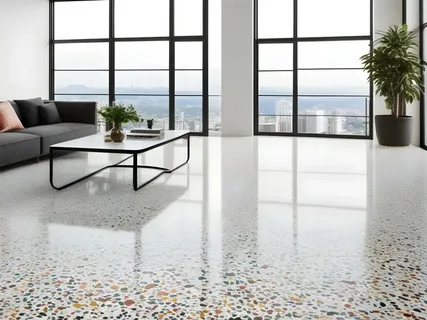
Terrazzo floor tiling has become increasingly popular in both residential and commercial interiors thanks to its distinctive appearance, exceptional durability, and long lifespan. Originally developed in Italy, terrazzo was created by combining marble chips with cement or resin binders to form a hard-wearing surface. Today, terrazzo floor tiling has evolved into a versatile flooring option that suits modern homes, luxury interiors, and high-traffic spaces alike.
What Makes Terrazzo Floor Tiling Unique
One of the defining features of terrazzo floor tiling is its customisable design. The combination of stone chips, pigments, and binders allows for endless colour variations and pattern styles. Whether homeowners prefer subtle neutral tones or bold, contemporary designs, terrazzo can be tailored to match almost any aesthetic.
In addition to its visual appeal, terrazzo is known for its strength and longevity. When properly installed, terrazzo floors can last for decades without significant wear, making them a cost-effective choice over time. This durability makes terrazzo particularly suitable for kitchens, hallways, open-plan living areas, and commercial environments.
Modern Terrazzo Floors in Contemporary Design
Modern terrazzo floors have moved far beyond traditional speckled designs. Advances in manufacturing and finishing techniques now allow for larger aggregate chips, smoother finishes, and refined colour palettes. This evolution has positioned terrazzo as a premium flooring choice for contemporary interiors.
Terrazzo works well with minimalist, industrial, and Scandinavian design styles. Its seamless appearance helps create a sense of openness, while its reflective qualities enhance natural light within a space. As a result, terrazzo floor tiling is increasingly used in high-end residential projects and modern architectural designs.
Terrazzo Flooring Installation and Preparation
Successful terrazzo flooring installation requires expert preparation and precision. The subfloor must be stable, level, and properly prepared to support the terrazzo surface. Depending on the system used, terrazzo may be poured on-site or installed using pre-cast tiles, each requiring specific techniques and tools.
Professional installers ensure correct curing, grinding, and polishing to achieve a smooth and even finish. Attention to detail during installation is critical, as it directly affects the final appearance and performance of the floor.
Polished Terrazzo Surfaces and Maintenance
Polished terrazzo surfaces are valued for their smooth texture and elegant sheen. Polishing not only enhances the appearance of terrazzo but also increases its resistance to stains and moisture. This makes terrazzo a hygienic and easy-to-maintain flooring option.
Routine care typically involves sweeping, damp mopping, and the use of neutral cleaning products. Periodic resealing may be recommended to maintain the finish and protect the surface over time. Compared to many natural stone floors, terrazzo requires relatively low maintenance while retaining its visual impact.
Conclusion
Terrazzo floor tiling offers a rare combination of durability, design flexibility, and long-term value. With the rise of modern terrazzo floors, expert terrazzo flooring installation, and beautifully finished polished terrazzo surfaces, terrazzo continues to be a standout choice for both contemporary and traditional interiors. When installed and maintained correctly, terrazzo flooring delivers a timeless aesthetic that enhances the functionality and elegance of any space.
