



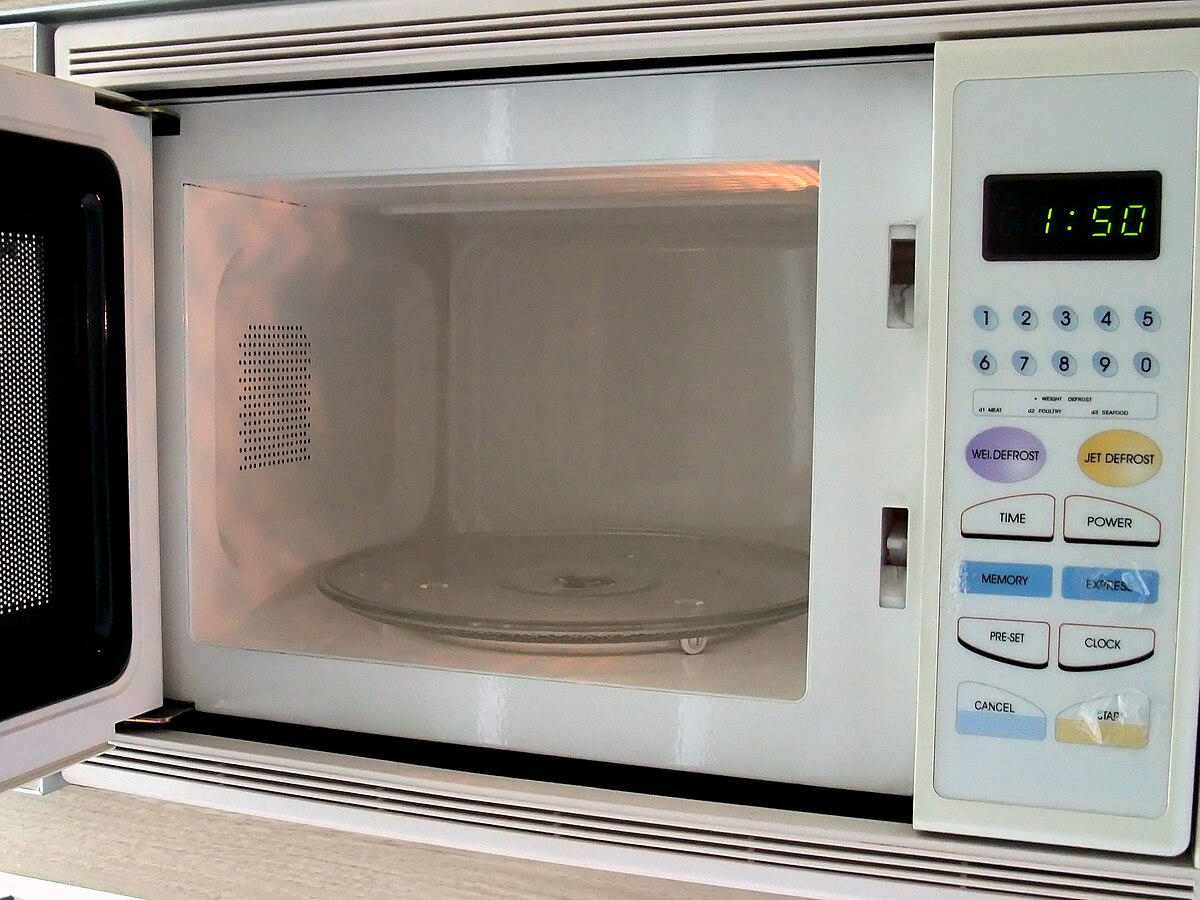
Microwaves have become an indispensable part of modern kitchens, transforming the way we cook and reheat food. Their journey from an accidental invention to a household staple is a fascinating tale of innovation and practicality. In this article, we will explore the evolution of microwave, from their humble beginnings to their place as a modern kitchen essential.
The Birth of the Microwave: A Happy Accident
The story of the microwave oven begins in the late 1940s, when engineer Percy Spencer was working on radar technology for Raytheon, a leading defense contractor. Spencer, while working with a magnetron (a device used to generate microwave radiation), noticed that a chocolate bar in his pocket had melted unexpectedly. This curious incident led him to experiment further, and he discovered that microwaves could heat food rapidly.
In 1945, Spencer filed a patent for the first microwave oven, which was initially a massive machine standing nearly 6 feet tall. This early version, called the Radarange, was expensive and impractical for everyday use. Despite its size, it marked the beginning of a revolutionary cooking method.
The Microwave’s Commercialization: A Slow Start
Although the first microwave ovens were developed in the mid-20th century, it wasn’t until the 1960s that they began to enter homes. Initially, the Radarange was sold only to businesses like restaurants, hospitals, and military institutions. The high cost and size of the appliance made it unfeasible for typical home use.
In the 1970s, however, technological advancements helped reduce both the size and cost of microwaves, making them more accessible to the average consumer. Amana, a division of Raytheon, played a pivotal role in this shift by introducing smaller, more affordable microwave models for home kitchens. This period saw microwaves becoming more common in American households, though they were still viewed as a luxury item rather than a necessity.
The Microwave Becomes a Modern Kitchen Essential
By the 1980s and 1990s, microwaves had become an increasingly popular kitchen appliance. The introduction of compact, countertop models further facilitated their integration into home kitchens. With their ability to cook, reheat, and defrost food in a fraction of the time required by traditional methods, microwaves quickly gained popularity among busy families and professionals.
As microwaves evolved, manufacturers began introducing features such as preset cooking functions, turntables, and digital controls, making them even more user-friendly. The growing demand for convenience, coupled with innovations in technology, solidified the microwave’s position as a modern kitchen essential.
Modern Microwaves: Smart and Energy-Efficient
Today, the evolution of microwaves continues as they incorporate cutting-edge technologies. Some of the most recent developments include smart microwaves, which can be controlled via smartphones and integrate with other smart home systems. These microwaves often feature voice recognition, pre-programmed recipes, and the ability to automatically adjust cooking times based on the food’s weight and type.
In addition to convenience, modern microwaves are also designed to be energy-efficient, with improved insulation and energy-saving features that minimize power consumption. Inverter technology, which allows for more precise control over power levels, has made microwaves even more effective and efficient at cooking food evenly.
The Future of Microwaves
The evolution of microwaves shows no signs of slowing down. As consumer demand for faster and more efficient appliances increases, manufacturers are likely to continue innovating. The incorporation of artificial intelligence (AI), Internet of Things (IoT) connectivity, and advanced sensors may soon lead to even more intelligent and adaptable microwave ovens.
Conclusion
The evolution of microwaves, from their accidental invention to becoming an essential part of modern kitchens, is a testament to the power of innovation. While early models were bulky and expensive, technological advancements have made microwaves more compact, affordable, and user-friendly. Today, they serve as a versatile, time-saving tool for millions of people around the world. As we look ahead, the microwave will undoubtedly continue to evolve, further cementing its place as a modern kitchen essential.
