



Tattooing is an art form that has been practiced for centuries, but the tools used to create tattoos have evolved significantly. One of the most important innovations in modern tattooing is the tattoo gun. Understanding the science behind tattoo guns can give us a deeper appreciation for the intricate process involved in creating stunning works of art on skin. In this article, we’ll explore how tattoo guns work, the technology behind them, and the impact they’ve had on the tattoo industry.
What Is a Tattoo Gun?
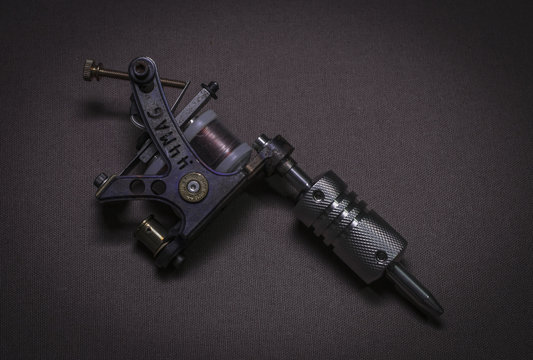
A tattoo gun, also known as a tattoo machine, is a device that delivers ink into the skin to create tattoos. The tool consists of a needle or multiple needles that rapidly puncture the skin’s surface, depositing pigment into the dermis. This process requires precision, speed, and a deep understanding of both anatomy and the mechanics of the tattoo gun.
While tattooing dates back thousands of years, the electric tattoo machine as we know it today was invented by Samuel O’Reilly in 1891, building on Thomas Edison’s invention of the electric pen. Over time, the design and function of tattoo guns have been refined to make tattooing more efficient, less painful, and capable of producing higher-quality artwork.
The Mechanics Behind Tattoo Guns
Tattoo guns operate on a relatively simple yet ingenious mechanism involving electromagnetic coils, an armature bar, and a needle. The key to understanding the science behind tattoo guns lies in how these components work together.
Electromagnetic Coils and the Armature Bar
At the heart of most tattoo machines are two electromagnetic coils. When the tattoo gun is turned on, an electrical current flows through the coils, creating a magnetic field. This magnetic field attracts the armature bar, a small metal bar that holds the needle. As the armature bar moves, the needle is pushed down toward the skin, delivering the ink.
Once the armature bar is attracted to the electromagnetic field, the current in the circuit is interrupted, causing the magnetic field to collapse. This allows the armature bar to return to its original position, and the process repeats rapidly, allowing the tattoo gun to produce a series of punctures on the skin. This rapid up-and-down motion creates the consistent and precise lines that form the foundation of a tattoo design.
The Needle and Ink Delivery
The needle is an essential part of the tattoo gun, as it directly controls how the ink is deposited into the skin. Tattoo needles come in various configurations, depending on the style of the tattoo and the desired effect. They can range from a single needle for fine lines to groupings of needles for shading or coloring.
Ink is stored in a small tube, which is connected to the tattoo gun and flows into the needle as the machine operates. The ink is delivered into the dermis layer of the skin, which is the second layer beneath the epidermis. This layer is where the ink particles are trapped, creating a permanent design.
Precision and Control: Key Factors in Tattooing
One of the reasons tattoo guns are capable of creating stunning art is their ability to deliver precise, controlled punctures into the skin. Tattoo artists need to have excellent control over the speed, depth, and pressure of the machine to create fine lines, smooth shading, and vibrant colors. The tattoo gun is an extension of the artist’s skill, allowing them to execute complex designs with great precision.
Speed and Power Settings
Tattoo guns can operate at varying speeds, depending on the artist’s preferences and the type of tattoo being created. The speed at which the needle moves can significantly affect the quality of the tattoo. Slower speeds may be used for intricate details, while faster speeds are often employed for shading or filling in larger areas. The tattoo gun’s power settings allow artists to adjust the intensity of the machine, ensuring the right amount of force is applied to each stroke.
Ergonomics and Comfort
Modern tattoo guns are designed with ergonomics in mind to reduce strain on the artist’s hand and wrist. This is important because tattooing can be a physically demanding process, especially for larger or more detailed tattoos. Lighter, more balanced machines with adjustable grips allow artists to work for longer periods without fatigue, leading to better outcomes for both the artist and the client.
The Evolution of Tattoo Guns and Their Impact on the Industry
Over the years, tattoo guns have undergone numerous advancements, and their evolution has had a profound impact on the tattoo industry. The introduction of rotary tattoo machines, for example, replaced the traditional electromagnetic coil machines and provided artists with quieter, smoother, and more reliable tools. Today, both coil and rotary machines are popular, with artists choosing based on their style and preference.
The development of wireless tattoo guns and other innovations has made tattooing more accessible and efficient, reducing setup time and offering greater mobility for artists. These advancements have also contributed to the rise of tattoo conventions, where artists from around the world gather to showcase their skills and learn from one another.
Conclusion: The Art and Science of Tattoo Guns
The science behind tattoo guns is a perfect blend of mechanical engineering and artistic expression. Understanding how these tools work gives us a new appreciation for the precision, skill, and craftsmanship involved in tattooing. From the electromagnetic coils to the ergonomic design, every element of the tattoo gun is carefully crafted to ensure that artists can create stunning art that will last a lifetime.
