



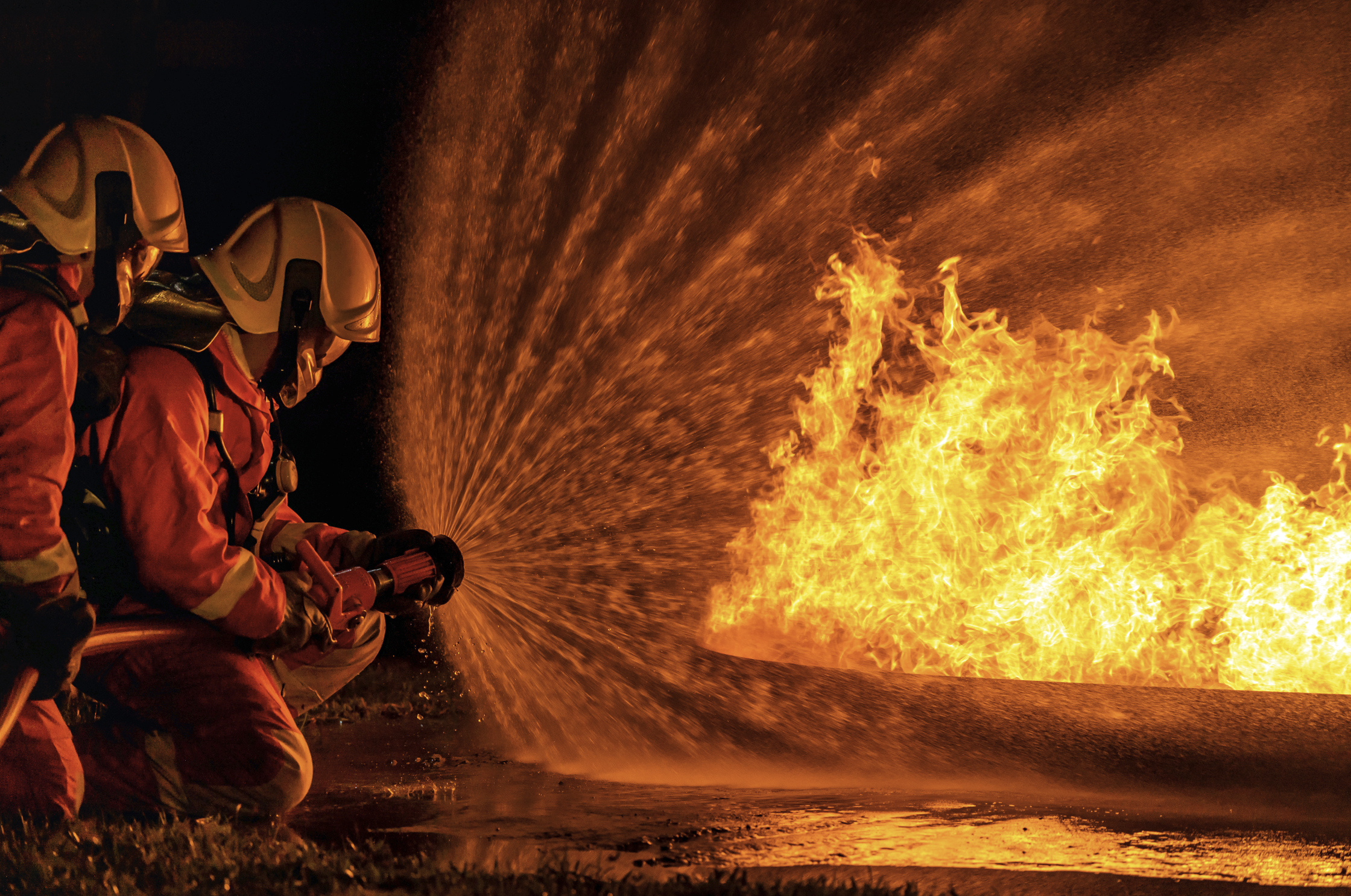
Modern fire skid units have quickly become one of the most valuable tools for departments that need fast and reliable suppression capabilities. They’re built for mobility, engineered for performance, equipped with advanced pumping systems, and designed to help crews respond with confidence in environments where traditional apparatus may struggle.
In this article, we’ll share some key features of today’s skid units that are transforming emergency response, especially for rural departments and wildland teams that depend on equipment that works as hard as they do.
High‑Performance Pumping Power That Supports Rapid Response
Fire skid units are engineered with pumping systems that deliver strong, consistent water flow. These pumping systems allow crews to attack fires quickly when operating in remote or rugged locations, built to handle such demanding conditions. Pumps often include features that help maintain pressure and support extended operations when the water supply is limited or difficult to access.
Longer hoses and smart pump controls give firefighters more control over their suppression strategy, while the compact design ensures that the unit can be deployed on a wide range of vehicles without sacrificing performance. This combination of power and efficiency is one of the reasons skid units have become essential for departments that need reliable equipment.
Integrated Water and Foam Systems That Improve Suppression Efficiency
Many modern skid units include integrated foam systems that enhance suppression capabilities, especially in situations involving flammable liquids or fast‑moving wildland fires. These allow firefighters to switch between water and foam seamlessly.
The ability of integrated water and foam systems to apply foam quickly and flexibly can significantly reduce fire intensity and improve control. Their fast-acting and effective features are particularly valuable when crews are working with limited personnel or facing challenging terrain. Departments that want more information about how foam systems improve operational efficiency often find that skid units offer a practical, cost‑effective way to expand their capabilities without investing in a full‑size apparatus.
Compact, Modular Designs That Fit a Wide Range of Vehicles
One of the most defining features of modern fire skid units is their modular design. It allows them to be mounted on pickups, UTVs, trailers, and other utility vehicles, making them ideal for departments that need to reach areas where larger engines cannot travel. Departments deployed to areas with narrow access roads, dense forests, industrial yards, or remote agricultural sites will benefit from their design. The compact footprint also makes storage and transport easier, while the modular layout ensures that components are accessible for maintenance and upgrades.
The real advantage is how these units transform everyday vehicles into capable firefighting tools. This gives departments more options for deployment and improving response times in situations where mobility is critical.
Durable Construction Built for Harsh and Demanding Environments
Fire skid units are designed to withstand tough conditions, including extreme heat and rough terrain. Manufacturers often use corrosion‑resistant materials and high‑quality tanks that maintain structural integrity even when exposed to harsh weather or abrasive environments. This durability ensures that the unit remains dependable over years of service.
Firefighters appreciate equipment that can be trusted in unpredictable situations, and skid units deliver that reliability by combining rugged construction with thoughtful engineering that prioritizes safety and longevity. The result is a piece of equipment that performs consistently for wildland operations or rapid‑response scenarios.
Customizable Configurations That Support Specialized Firefighting Needs
Modern skid units offer a wide range of customization options. This allows departments to tailor the unit to their specific operational requirements, be it for additional storage for tools, upgraded hose reels, enhanced lighting, or specialized foam capabilities. Manufacturers can configure skid units to match the demands of the environment and the type of incidents the department responds to most often.
This level of customization also ensures that firefighters have exactly what they need on scene. Long, detailed configurations can transform a standard skid unit into a highly specialized suppression system, giving crews the confidence to tackle complex fires with equipment designed specifically for their workflow.
Conclusion
Fire skid units have become a game‑changer because they combine power, mobility, durability, and customization in a compact package. Their ability to adapt to different vehicles and environments makes them an invaluable resource for departments, especially those that need reliable equipment capable of performing under pressure.
As fire risks continue to evolve, modern skid units offer a practical and forward‑thinking solution that helps firefighters respond with strength and precision.
