



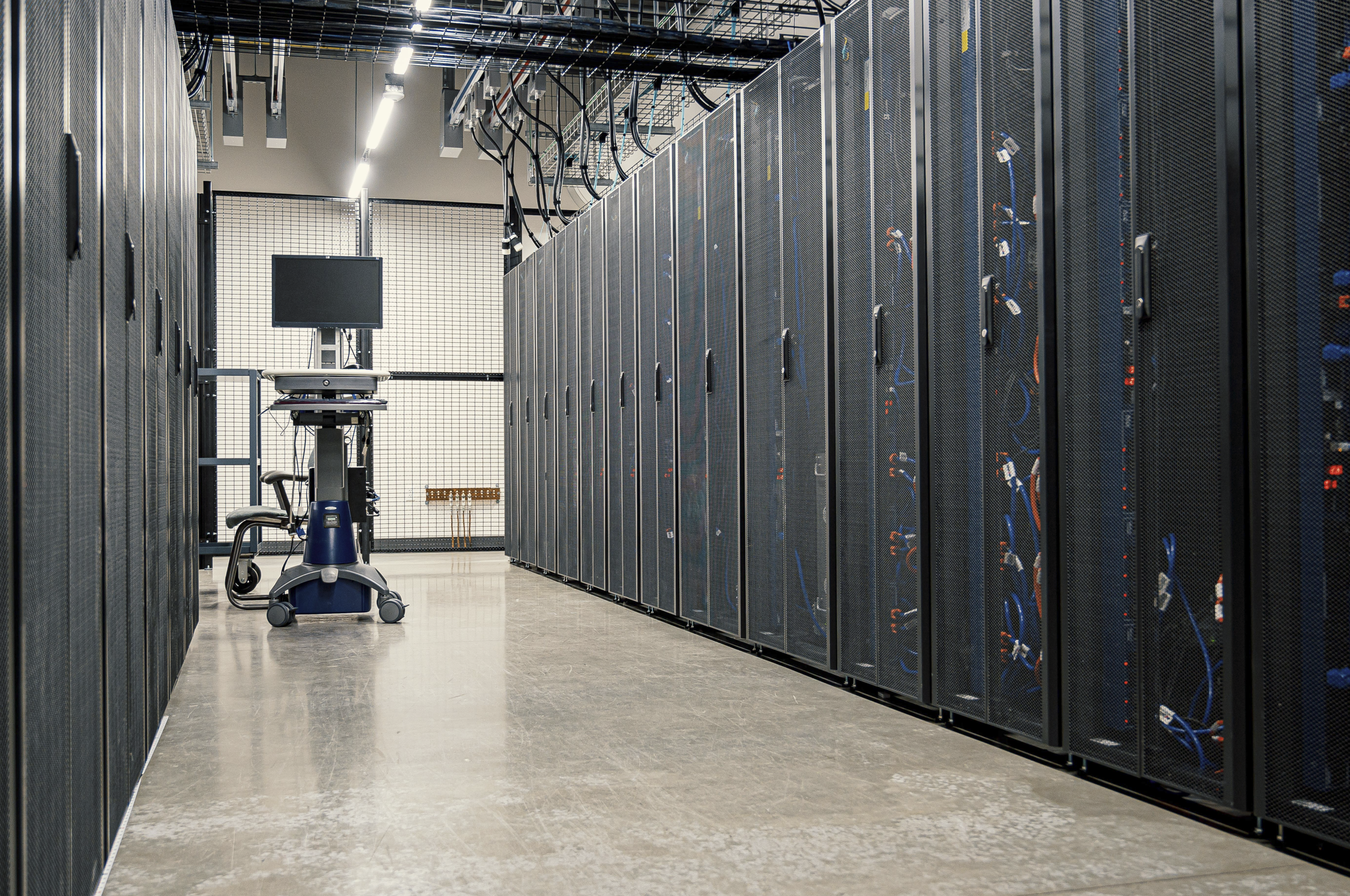
Running a modern data center requires more than racks of servers and advanced cooling systems; it demands a resilient electrical backbone that can handle increasing loads, unexpected disruptions, and evolving compliance standards. With strategic upgrades, facility managers strengthen reliability and safeguard critical operations.
This article will discuss five smart upgrades that can transform the way your data center manages power and prepares for the future. Let’s start!
Advanced Power Distribution Units for Greater Control
Traditional power strips are no longer sufficient for today’s high-density environments, where every watt counts, and downtime can be costly. Advanced power distribution units (PDUs) provide granular monitoring of voltage and energy usage, allowing operators to identify inefficiencies and redistribute loads before they become problems. These intelligent PDUs often integrate with management software, giving real-time visibility into power consumption across multiple racks.
By upgrading to advanced PDUs, data centers gain the ability to optimize energy use. They also help facilities reduce waste and extend the lifespan of connected equipment, helping prevent overloads, which can lead to costly outages. As a whole, PDUs are a cornerstone of modern electrical infrastructure.
Emergency Lighting Inverters for Safety and Compliance
In a facility where uptime is critical, emergency systems must be designed to protect both equipment and personnel. Emergency lighting inverters ensure that essential lighting remains operational during power outages, providing a seamless transition from utility power to backup sources without flicker or delay.
This upgrade enhances safety by keeping pathways illuminated. They also support compliance with building codes and industry standards, creating a safer environment for staff working during outages, while reinforcing the reliability of your overall backup power strategy. In a data center where technicians may need to respond quickly to restore systems, uninterrupted lighting can make the difference between a smooth recovery and a prolonged disruption.
Uninterruptible Power Supply Systems With Scalable Capacity
An uninterruptible power supply (UPS) is the backbone of any data center’s electrical resilience. Older models often lack the flexibility needed to adapt to growing demands, not able to keep up with new systems today. With that in mind, it’s essential for facilities to incorporate modern UPS systems that offer modular designs, as these allow capacity to be scaled up as workloads increase. They also feature advanced battery technologies that improve runtime and reduce maintenance requirements.
By upgrading to scalable UPS systems, data centers can ensure continuous operation during utility failures, protect equipment from voltage fluctuations, support power source transitions, and maintain business continuity without interruption. The ability to expand capacity without replacing the entire system means facilities can grow sustainably, aligning power infrastructure with evolving business needs.
Energy-Efficient Transformers for Lower Operating Costs
Transformers play a crucial role in voltage regulation, but outdated models can waste significant amounts of energy through heat loss and inefficiency. Newer energy-efficient transformers are designed with advanced materials and optimized cores that minimize losses, helping facilities reduce utility expenses while lowering their environmental footprint.
These upgrades also contribute to better thermal management. Data centers produce excess heat, and with energy-efficient transformers, operators can cut costs while aligning their infrastructure with sustainability goals. Over time, these savings compound, making energy-efficient transformers a practical and forward-thinking investment.
Smart Monitoring and Predictive Maintenance Tools
Electrical infrastructure is only as reliable as the insights available to those managing it. Smart monitoring systems use sensors and analytics to track performance, detect anomalies, track irregular energy consumption, and predict potential failures.
Predictive maintenance tools can also identify patterns that signal wear or degradation, allowing teams to schedule repairs proactively rather than reacting to emergencies. As a whole, this reduces downtime and improves overall operational efficiency. By integrating smart monitoring and predictive maintenance into your data center, you gain the ability to anticipate issues and maintain a higher level of service reliability. The shift from reactive to proactive management ensures that your facility remains resilient in the long run.
Conclusion
Upgrading data center electrical infrastructure is about building resilience and ensuring long-term sustainability. Advanced PDUs, scalable UPS systems, emergency lighting inverters, and energy-efficient transformers strengthen the backbone of your facility.
With smart monitoring and predictive maintenance tools, operators can move from reactive to proactive management, ensuring that critical systems remain protected and optimized. These upgrades empower data centers to meet the demands of tomorrow with confidence and reliability.
