



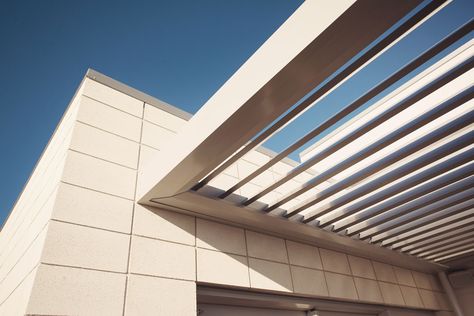
Aluminium louvres have become an essential feature in contemporary architecture across New Zealand. With the growing demand for energy efficiency, aesthetic appeal, and flexible building design, louvres are now widely used in both residential and commercial projects. This article explores why aluminium louvres are so popular, their benefits, design applications, and how to choose the right system.
Introduction to Aluminium Louvres in Modern Architecture
Modern architecture in New Zealand is increasingly focused on balancing form and function. Architects and builders aim to create structures that are visually striking while also being practical in terms of ventilation, shading, and energy performance.
This is where aluminium louvres play a key role. They allow controlled airflow, reduce heat gain, and enhance building façades without compromising design integrity. When discussing Best Aluminium Louvres NZ for Modern Architectural Designs and Buildings, it is important to understand how these systems contribute to sustainable and innovative construction.
Why Aluminium Louvres Are Popular in New Zealand
Aluminium louvres have gained popularity for several reasons:
1. Durability in Diverse Climate Conditions
New Zealand’s weather can vary significantly, from strong UV exposure to heavy rainfall and coastal salt air. Aluminium is highly resistant to corrosion, making it ideal for long-term outdoor use.
2. Lightweight Yet Strong
Unlike steel or timber alternatives, aluminium is lightweight but still structurally strong. This makes installation easier and more cost-effective while maintaining performance.
3. Low Maintenance Requirements
One of the major advantages of aluminium louvres is their minimal maintenance needs. They do not warp, crack, or rust easily, making them suitable for long-term architectural applications.
Design Flexibility and Aesthetic Appeal
When selecting Best Aluminium Louvres in NZ for Modern Architectural Designs and Buildings, aesthetics plays a crucial role. Architects often choose louvres because they can be customized in various ways:
- Horizontal or vertical orientations
- Fixed or adjustable blade systems
- Powder-coated finishes in multiple colors
- Integration into façades, screens, and shading systems
This flexibility allows louvres to complement modern minimalist designs, industrial styles, or even luxury architectural concepts.
Energy Efficiency and Environmental Benefits
Sustainability is a major focus in New Zealand construction. Aluminium louvres contribute significantly to green building practices by improving energy efficiency.
Natural Ventilation Control
Louvres help regulate airflow, reducing the need for mechanical cooling systems.
Sun Shading Performance
By blocking direct sunlight during peak hours, they reduce indoor heat gain and lower air conditioning costs.
Enhanced Daylighting
Properly designed louvre systems allow natural light to enter without causing glare, improving indoor comfort and reducing electricity usage.
This makes aluminium louvres an important component in achieving environmentally responsible building standards.
Applications in Residential and Commercial Buildings
Aluminium louvres are used in a wide range of architectural applications across New Zealand.
Residential Use
- Balcony privacy screens
- Window shading systems
- Outdoor living area protection
- Modern home façades
Commercial Use
- Office building façades
- Parking structures
- Retail shopfronts
- Industrial ventilation systems
In both sectors, the use of Best Aluminium Louvres in NZ for Modern Architectural Designs and Buildings ensures a balance between functionality and modern aesthetics.
Choosing the Right Aluminium Louvre System
Selecting the right system depends on several important factors:
Purpose of Installation
Determine whether the louvres are needed for shading, ventilation, privacy, or purely aesthetic enhancement.
Blade Size and Spacing
The size and spacing of the blades affect airflow, light control, and visual appearance.
Material Finish
Powder-coated aluminium is commonly preferred due to its durability and weather resistance.
Fixed vs Adjustable Systems
Fixed louvres are low maintenance, while adjustable systems offer greater control over airflow and sunlight.
Architectural Trends in New Zealand
Modern architectural trends in New Zealand show a strong preference for clean lines, sustainability, and multifunctional building elements. Aluminium louvres fit perfectly into this design philosophy.
Some emerging trends include:
- Integration of louvres into smart building systems
- Use of bold, dark finishes for contrast façades
- Combination of glass and aluminium for dynamic exteriors
- Eco-friendly passive cooling designs
These trends further highlight the importance of selecting Best Aluminium Louvres in NZ for Modern Architectural Designs and Buildings for long-term performance and visual impact.
Conclusion
Aluminium louvres have become a defining feature in modern New Zealand architecture. Their durability, flexibility, and energy-efficient properties make them an ideal choice for a wide range of building applications.
Whether used in residential homes or large commercial developments, they enhance both performance and design appeal. Choosing the right system ensures long-term value and contributes to sustainable construction practices.
Ultimately, investing in Best Aluminium Louvres in NZ for Modern Architectural Designs and Buildings is a smart decision for architects, builders, and property owners who want to combine innovation, efficiency, and modern style.
