



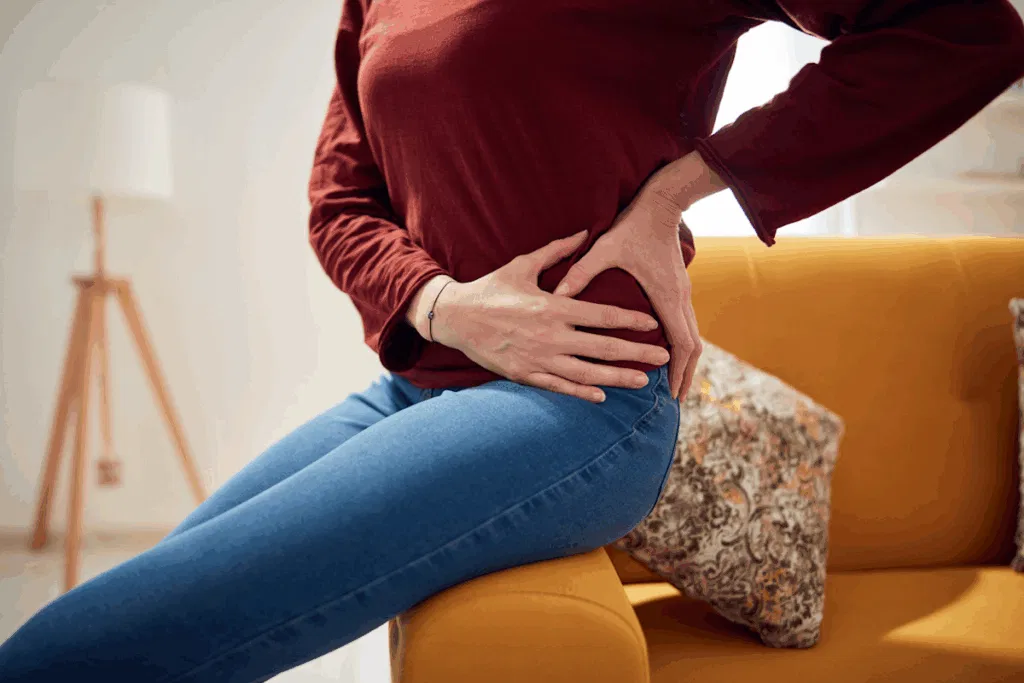
Pelvic pain is a complex condition that can affect people of all ages and genders. It may appear suddenly or develop gradually and can range from mild discomfort to severe, life-disrupting pain. Because the pelvis contains multiple organs—reproductive, urinary, digestive, and musculoskeletal—pinpointing the exact cause is often challenging. Effective pelvic pain relief depends on identifying the underlying reason and applying a combination of medical care, lifestyle changes, and supportive therapies.
What Is Pelvic Pain?
Pelvic pain refers to discomfort or pain felt in the lower abdomen below the belly button. It may be:
- Sharp or stabbing
- Dull or aching
- Constant or intermittent
- Linked to movement, urination, or menstruation
It can originate from reproductive organs, bladder, intestines, muscles, or nerves.
Common Causes of Pelvic Pain
Understanding the root cause is essential for long-term pelvic pain relief. Some of the most common causes include:
1. Endometriosis
Endometriosis
This condition occurs when tissue similar to the uterine lining grows outside the uterus. It can cause severe menstrual cramps, chronic pelvic pain, and pain during intercourse.
2. Pelvic Inflammatory Disease (PID)
Pelvic inflammatory disease
PID is often caused by untreated sexually transmitted infections. It can lead to inflammation, scarring, and long-term pelvic discomfort.
3. Interstitial Cystitis
Interstitial cystitis
Also known as painful bladder syndrome, this condition causes bladder pressure, frequent urination, and persistent pelvic pain.
4. Musculoskeletal Issues
Muscle tension, poor posture, or pelvic floor dysfunction can also lead to chronic pain in the pelvic region.
5. Digestive Disorders
Conditions like irritable bowel syndrome (IBS), constipation, or bloating can contribute to pelvic discomfort.
Symptoms Associated with Pelvic Pain
Symptoms vary depending on the cause but may include:
- Lower abdominal pain or pressure
- Pain during menstruation or intercourse
- Frequent or painful urination
- Lower back pain
- Bloating or digestive discomfort
- Fatigue or emotional distress due to chronic pain
Recognizing patterns in symptoms helps doctors design an effective pelvic pain relief strategy.
How Pelvic Pain Is Diagnosed
Doctors may use several methods to identify the cause:
- Physical pelvic examination
- Blood and urine tests
- Ultrasound or MRI imaging
- Laparoscopy in some cases
- Bladder or digestive evaluations
A proper diagnosis is essential before starting any long-term pelvic pain relief plan.
Medical Treatments for Pelvic Pain Relief
Treatment depends on the underlying cause, but may include:
1. Medications
- Anti-inflammatory drugs (NSAIDs)
- Hormonal therapy for menstrual-related pain
- Antibiotics for infections
- Nerve pain medications in chronic cases
2. Physical Therapy
Pelvic floor therapy helps relax tight muscles, improve posture, and reduce chronic tension.
3. Surgical Options
In severe cases such as advanced endometriosis or cysts, surgery may be necessary.
Natural and At-Home Pelvic Pain Relief Methods
Many people benefit from combining medical care with natural approaches:
Heat Therapy
Applying a heating pad to the lower abdomen helps relax muscles and reduce cramping.
Gentle Exercise
Yoga, stretching, and walking improve blood flow and reduce stiffness.
Dietary Changes
- Reduce caffeine and processed foods
- Increase fiber intake
- Stay hydrated
Stress Management
Stress can worsen pelvic pain, so techniques like meditation and deep breathing can be helpful.
Pelvic Floor Exercises for Pain Relief
Strengthening and relaxing the pelvic floor is a key part of long-term pelvic pain relief. Exercises may include:
- Kegel exercises (both strengthening and relaxation techniques)
- Deep breathing coordination
- Guided physiotherapy routines
Consistency is important for noticeable improvement.
When to See a Doctor
You should seek medical help if you experience:
- Severe or worsening pain
- Pain lasting more than a few weeks
- Fever or unusual discharge
- Difficulty urinating or bowel changes
- Pain affecting daily life or sleep
Early diagnosis leads to more effective pelvic pain relief outcomes.
Preventing Chronic Pelvic Pain
While not all causes are preventable, you can reduce risk by:
- Maintaining good hygiene
- Treating infections early
- Staying physically active
- Managing stress levels
- Avoiding prolonged sitting
Conclusion
Achieving effective pelvic pain relief requires a balanced approach that combines medical treatment, lifestyle changes, and physical therapy. Since pelvic pain can stem from many different conditions, identifying the root cause is the most important step. With proper care and consistent management, most people can significantly reduce or even eliminate their symptoms and regain a better quality of life.
