



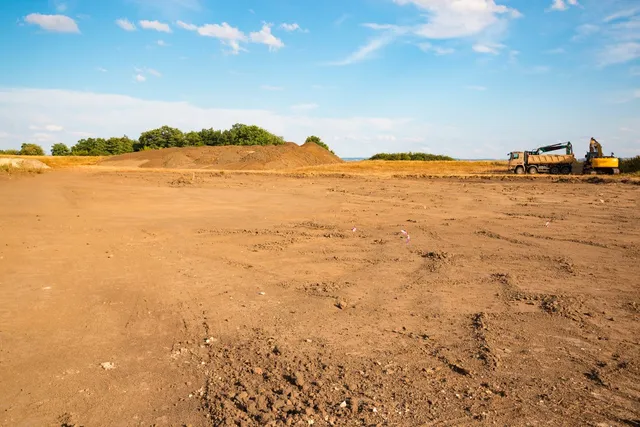
Before any construction, farming project, or landscaping plan begins, the land must be prepared properly. Land clearing is the process of removing unwanted vegetation, trees, stumps, rocks, and debris from a piece of land to make it suitable for development or agricultural use. Whether the goal is to build homes, create farmland, or improve property value, land clearing plays a vital role in transforming raw land into a usable space.
This process requires careful planning, the right equipment, and an understanding of environmental considerations. When done correctly, land clearing not only prepares the land for development but also improves safety, accessibility, and long-term land management.
What Is Land Clearing?
Land clearing refers to the removal of natural obstacles such as trees, shrubs, undergrowth, and rocks from a piece of land. The purpose is to make the area suitable for construction, agriculture, or landscaping projects.
The process can vary depending on the size of the land and the intended use. Small residential properties may require only basic vegetation removal, while large development sites may involve heavy machinery and professional services.
Modern land clearing techniques aim to balance efficiency with environmental responsibility, ensuring that the land is prepared without causing unnecessary damage to surrounding ecosystems.
Common Reasons for Land Clearing
Land clearing is performed for a variety of practical reasons. Property owners, developers, and farmers often rely on this process to prepare land for new opportunities.
1. Construction and Development
One of the most common reasons for land clearing is preparing land for building projects. Removing trees, brush, and debris creates a stable and accessible site for construction activities such as building homes, commercial properties, and roads.
2. Agricultural Preparation
Farmers often clear land to create space for crops, livestock, or irrigation systems. Clearing unwanted vegetation allows soil to receive more sunlight and improves access for farming equipment.
3. Property Maintenance
Over time, land can become overgrown with weeds, shrubs, and fallen trees. Land clearing helps maintain the appearance and functionality of the property while reducing pest habitats and fire hazards.
4. Landscaping and Property Improvement
Property owners may clear land to redesign their outdoor spaces. Removing dense vegetation can open up space for gardens, lawns, recreational areas, or outdoor structures.
Methods Used in Land Clearing
There are several techniques used in land clearing, and the method chosen often depends on the terrain, vegetation type, and project goals.
Manual Clearing
Manual clearing involves using tools such as chainsaws, axes, and hand equipment to remove vegetation. This method is often used for smaller areas or locations where heavy machinery cannot easily operate.
Mechanical Clearing
Mechanical clearing uses specialized equipment such as bulldozers, excavators, and forestry mulchers to remove trees and vegetation quickly. This method is commonly used for large development projects.
Mulching
Forestry mulching is a modern land clearing technique that grinds trees and vegetation into mulch. This process leaves organic material on the soil, which can improve soil health and reduce erosion.
Controlled Burning
In some cases, controlled burning may be used to clear vegetation quickly. However, this method must be carefully managed and regulated to prevent environmental damage and safety risks.
Benefits of Land Clearing
Proper land clearing provides numerous advantages for property owners and developers.
Improved Land Usability
Clearing land creates open space that can be used for construction, farming, or landscaping. It transforms unused land into productive property.
Increased Property Value
A cleared and well-maintained property is often more attractive to buyers and investors, potentially increasing its market value.
Pest and Disease Control
Overgrown land can attract pests such as rodents, snakes, and insects. Land clearing reduces these habitats and helps prevent infestations.
Fire Prevention
Removing dry vegetation and debris can significantly lower the risk of wildfires, especially in areas prone to dry conditions.
Environmental Considerations
While land clearing offers many benefits, it should be done responsibly. Excessive clearing can lead to soil erosion, loss of wildlife habitats, and environmental imbalance.
To minimize negative impacts, responsible land clearing practices include:
-
Preserving important trees when possible
-
Preventing soil erosion through proper grading
-
Managing debris in an eco-friendly way
-
Following local environmental regulations
Sustainable land clearing ensures that development and environmental protection can coexist.
Choosing Professional Land Clearing Services
For large projects, hiring experienced professionals is often the best option. Professional land clearing companies have the equipment, knowledge, and safety procedures required to handle complex jobs efficiently.
Experts can assess the land, recommend the most suitable clearing method, and ensure that the project complies with environmental and safety standards.
Conclusion
Land clearing is a crucial step in preparing land for construction, agriculture, and landscaping projects. By removing obstacles and improving accessibility, it transforms raw land into a functional and productive space.
When done with proper planning and responsible techniques, land clearing can provide long-term benefits such as improved property value, better land management, and safer environments. Whether for residential development or agricultural expansion, effective land clearing lays the foundation for successful projects.
