



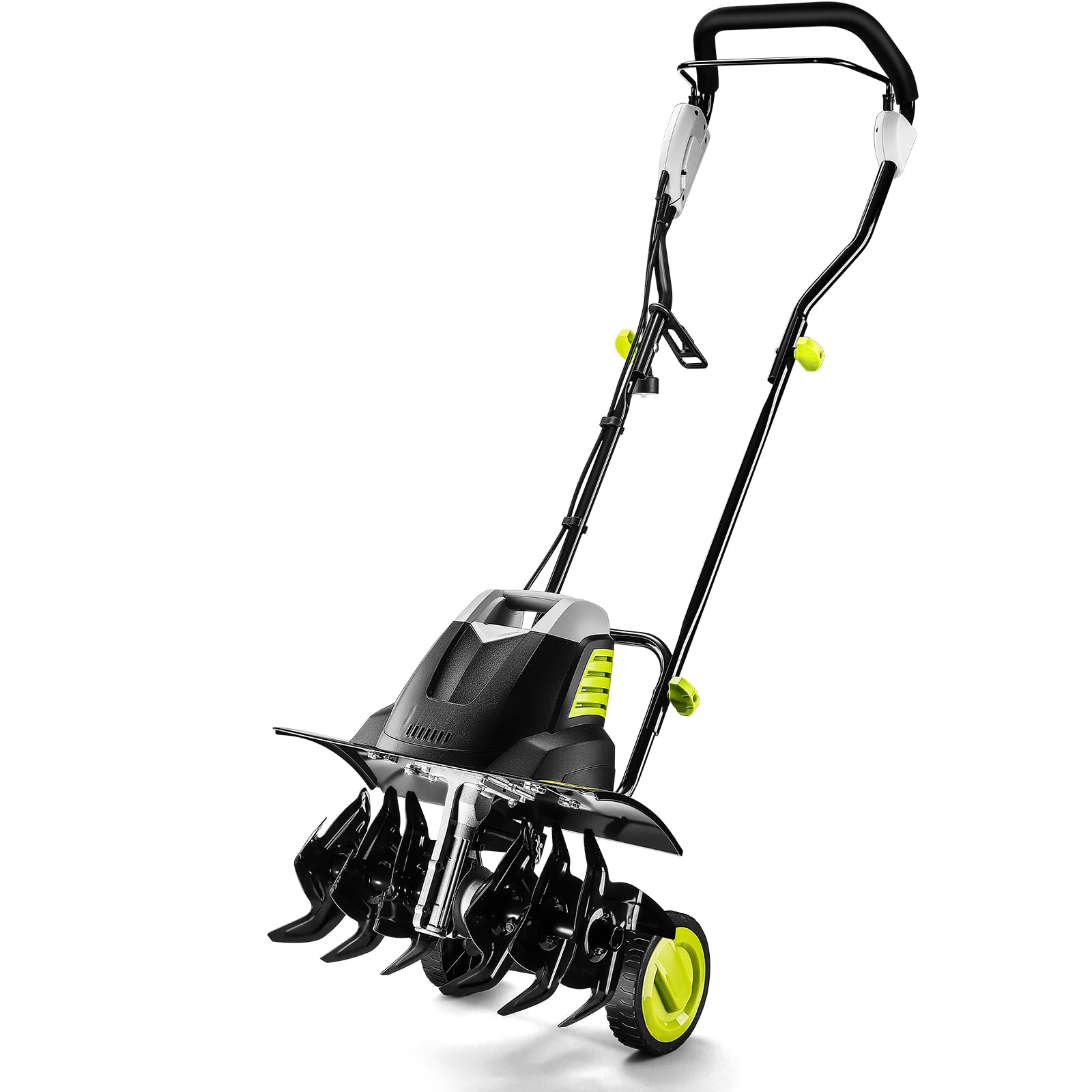
Whether you’re preparing a new garden bed or maintaining an established vegetable patch, choosing the right garden tiller can make your work easier and more efficient. This Garden Tiller Buying Guide: Features, Types, and Expert Tips will help you understand the key factors to consider before making a purchase. From selecting the correct type of tiller to understanding important features, this guide covers everything you need to know.
Why Invest in a Garden Tiller?
A garden tiller is a valuable tool for breaking up compacted soil, mixing compost into the ground, and preparing seedbeds for planting. Compared to manual digging, a tiller saves time, reduces physical effort, and creates a healthier environment for plant roots.
Whether you’re a beginner gardener or an experienced landscaper, the right tiller can improve soil quality and boost the success of your garden.
Types of Garden Tillers
Understanding the different types of tillers is the first step toward choosing the right model.
Front-Tine Tillers
Front-tine tillers have rotating blades located at the front of the machine. They are ideal for:
- Small to medium-sized gardens
- Light soil cultivation
- Regular maintenance
- Home gardening projects
These tillers are lightweight, easy to maneuver, and generally more affordable.
Rear-Tine Tillers
Rear-tine tillers feature tines positioned behind the wheels, providing better balance and increased digging power.
They are best for:
- Large gardens
- Hard or compacted soil
- Breaking new ground
- Heavy-duty landscaping
Rear-tine models offer greater stability and are suitable for demanding gardening tasks.
Mini Tillers and Cultivators
Mini tillers, also called cultivators, are compact machines designed for lighter work.
They work well for:
- Flower beds
- Raised garden beds
- Weeding between rows
- Mixing fertilizer into existing soil
These tools are easy to store and perfect for homeowners with limited garden space.
Essential Features to Look For
Choosing the right features can significantly improve your gardening experience.
Engine Power
Engine size determines how effectively the tiller handles different soil conditions.
- Electric models are excellent for small gardens.
- Battery-powered options provide cordless convenience.
- Gas-powered tillers deliver maximum power for large areas and tough soil.
Tilling Width
A wider tilling width allows you to cover more ground quickly, while narrower widths provide better control in tight spaces.
Many modern tillers offer adjustable widths for increased flexibility.
Tilling Depth
Adjustable tilling depth allows you to prepare soil for different planting needs. Deeper tilling is useful when creating new garden beds, while shallow cultivation is sufficient for routine maintenance.
Adjustable Handlebars
Comfortable, ergonomic handlebars reduce fatigue during extended use. Foldable handles also make storage more convenient.
Durable Tines
Look for hardened steel tines that resist wear and maintain their performance over time.
Choosing the Right Garden Tiller
Selecting the right machine depends on your specific gardening requirements.
Small Gardens
For gardens under 2,000 square feet, lightweight electric or battery-powered tillers provide sufficient power while remaining easy to operate.
Medium Gardens
Medium-sized gardens benefit from front-tine gas or high-performance battery models that balance power and maneuverability.
Large Gardens
Large vegetable gardens or landscaping projects typically require rear-tine tillers with powerful engines and deep tilling capabilities.
Expert Tips Before Buying
This Garden Tiller Buying Guide: Features, Types, and Expert Tips wouldn’t be complete without practical advice from experienced gardeners.
Match the Machine to Your Soil
Soft, loose soil requires less power than clay or rocky ground. Buying more power than you need may increase fuel costs and machine weight unnecessarily.
Consider Maintenance
Electric and battery-powered tillers generally require less maintenance than gas-powered models. Consider long-term maintenance costs before purchasing.
Check Replacement Parts
Choose brands that offer readily available replacement tines, wheels, and service support to ensure your tiller remains useful for years.
Prioritize Safety Features
Look for features such as:
- Safety shut-off switches
- Blade guards
- Comfortable grip handles
- Stable wheel design
These additions improve both safety and ease of use.
Common Mistakes to Avoid
Many first-time buyers make avoidable purchasing mistakes.
- Buying a tiller that’s too large for the garden.
- Ignoring soil type before selecting engine power.
- Choosing the cheapest model instead of the most suitable one.
- Overlooking warranty coverage and customer support.
- Forgetting to compare weight and maneuverability.
Avoiding these mistakes can save money and improve your gardening experience.
Maintenance Tips
Proper maintenance extends the lifespan of your tiller.
- Clean the tines after every use.
- Inspect bolts and moving parts regularly.
- Sharpen or replace worn tines.
- Store the tiller in a dry location.
- Follow the manufacturer’s recommended maintenance schedule.
Routine care helps maintain peak performance season after season.
Conclusion
Choosing the right tiller doesn’t have to be difficult when you understand the available options and essential features. This Garden Tiller Buying Guide: Features, Types, and Expert Tips has outlined the differences between various tiller types, the most important buying considerations, and practical advice for selecting the ideal model. By following this Garden Tiller Buying Guide: Features, Types, and Expert Tips, you’ll be well-equipped to invest in a machine that fits your garden size, soil conditions, and long-term gardening goals, making every planting season more productive and enjoyable.
