



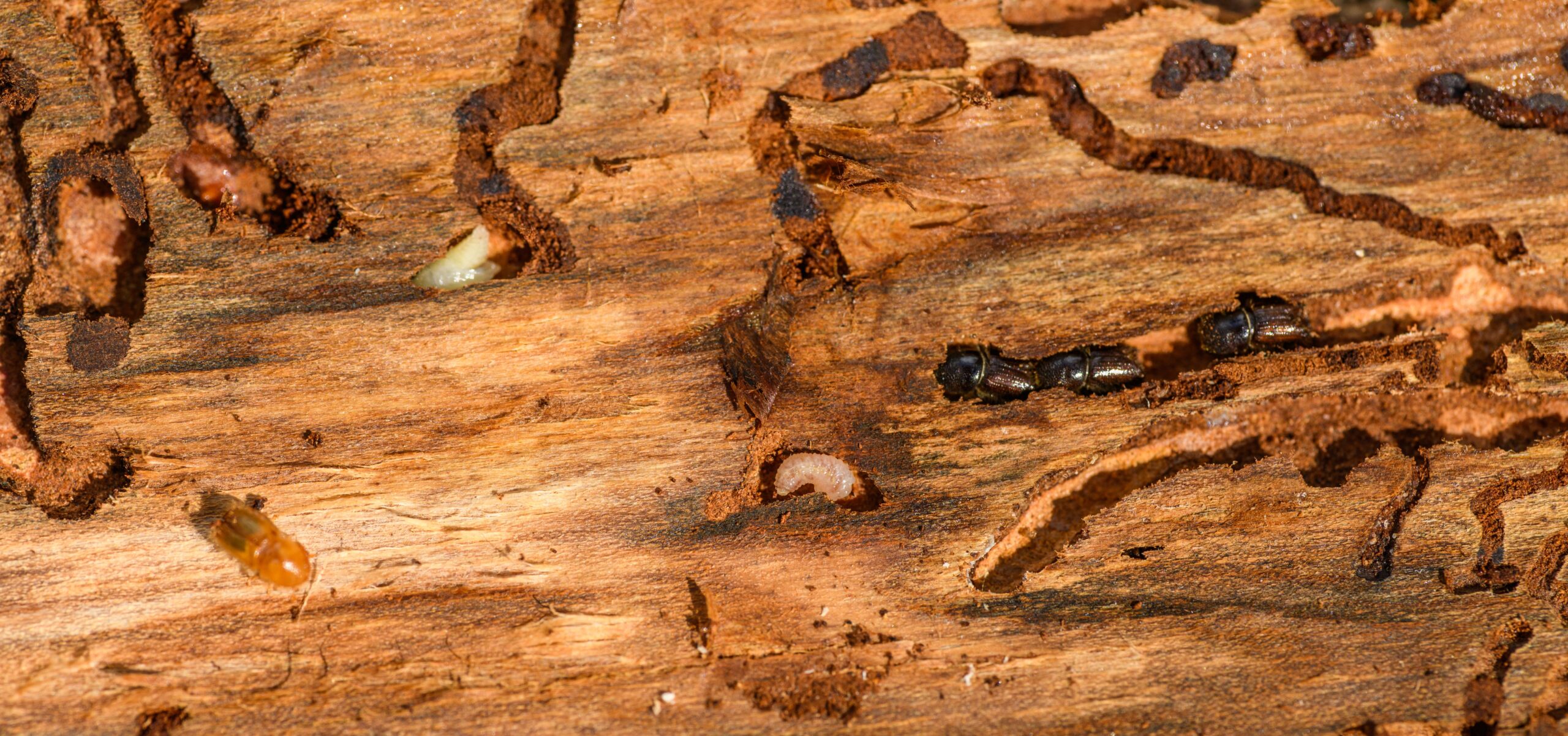
Many homeowners assume their property is safe as long as the paint looks fresh and the baseboards look clean. The trouble is that wood-destroying insects thrive in exactly the dark, closed-off spaces people never think to check. These subterranean invaders tunnel silently through structural studs, skipping the surface entirely while eating away at the core of a building.
By the time visible evidence finally breaks through, the support system underneath is often badly compromised. Waiting for an obvious sign usually means dealing with damage that is already deep and widespread.
Catching these infestations early takes more than a basic visual walk-through. The best pest professionals work like structural detectives, reading subtle clues that point to a hidden colony so the damage can be stopped before repair bills climb.
Identifying the Invisible Threat
Subterranean termites are highly sensitive to open air and light, so they build intricate mud tubes to move safely. They spend their whole lives inside soil and the gaps within walls, which makes them tough to spot. A house can look perfectly solid while a large colony hollows out the framing from the inside, and it is common for years to pass before anyone notices.
Because they hide so well, DIY spray treatments do very little. Surface chemicals cannot reach a colony sitting deep beneath a foundation or behind thick insulation. Real eradication has to account for the hidden pathways these insects use every day.
Deploying Specialized Diagnostic Equipment
To see past solid wood and drywall, experienced technicians rely on tools built for subterranean tracking. Thermal imaging cameras pick up the tiny heat changes given off by dense clusters of insects. Moisture meters help too, since termites need very damp conditions to survive indoors. When an inspector finds a wet spot inside an otherwise dry room, it often marks a nesting site.
Some teams go further and use acoustic sensors that pick up the faint clicking of workers chewing through wood fibers. These steps take the guesswork out of an inspection, which allows for precise treatment without tearing a home apart.
Establishing Comprehensive Barrier Systems
Once the colony is mapped, the focus shifts to setting up a defensive perimeter. Technicians often work a liquid barrier into the soil around the foundation to break up the insects’ migration routes. As the bugs travel between their nests and the structure, they pass through this undetectable shield.
That continuous circle keeps existing pests from surviving and new ones from getting in. Halting the movement is what saves the wooden bones of the home.
When weighing local options, it helps to look at how established regional teams work. For example, the approach taken by Montgomery Exterminating Inc shows how localized perimeter treatments intercept wood-boring insects before they ever reach framing timber, shielding the building while cutting off the hidden source.
Utilizing Advanced Baiting Networks
Alongside liquid perimeters, modern eradication often adds smart baiting stations installed discreetly in the ground. Each one holds a cellulose material more appetizing than ordinary household wood. Foraging workers carry the slow-acting bait back to the nest and share it across the population over several weeks, which steadily wipes out the colony at its source.
Baiting works because it turns the insects’ own social behavior against them. Homeowners get round-the-clock protection without heavy chemicals sprayed through their living spaces. Technicians just check the stations now and then to track activity and confirm the property is still secure.
Maintaining Long-Term Property Security
Clearing an active infestation is only the first part of the job. Termite colonies are always foraging for new food, so even a treated home can face fresh threats if no one is watching. Annual inspections confirm that the barriers are still intact and the bait stations still working. That steady professional oversight is what keeps a small vulnerability from becoming a major structural problem later.
Conclusion
Protecting a home from wood-destroying pests means looking well past what shows on the surface. With thermal imaging, soil barriers, and targeted baiting, professionals can find and remove hidden threats with real accuracy. Homeowners do not have to live worried about structural damage when a thorough, proactive defense is in place, keeping a property solid and sound for years to come.
