



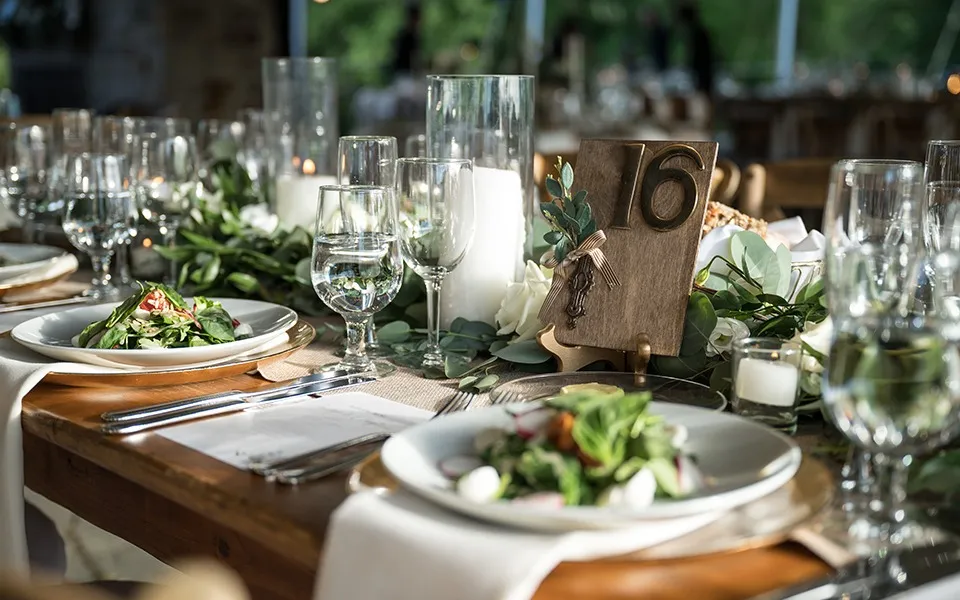
Planning an event in New York City comes with high expectations. From corporate meetings and private celebrations to weddings and milestone gatherings, every detail matters. Food is often one of the first things guests notice and one of the last things they remember. That is why choosing the right Manhattan catering service can play an important role in creating a successful and memorable occasion.
Modern catering is no longer simply about delivering food to a venue. Today, hosts expect thoughtfully designed menus, attractive presentation, dependable service, dietary flexibility, and an experience that matches the personality of the event. Manhattan’s diverse food culture makes it possible to create everything from elegant plated dinners to casual food stations and creative cocktail receptions.
What Makes Manhattan Catering Different?
Manhattan is known for its fast pace, diverse population, sophisticated venues, and demanding event environment. Catering companies working in the area need to understand more than food preparation. They must also manage timing, transportation, venue restrictions, staffing, presentation, and guest expectations.
Space can be another important consideration. Manhattan venues may range from large event halls and hotels to restaurants, offices, rooftops, galleries, and private apartments. A successful caterer needs to adapt the menu and service style to the available space rather than relying on one standard setup.
The city’s multicultural dining scene is also reflected in catering. Guests can experience Italian-inspired dishes, Mediterranean flavors, Asian cuisine, American classics, plant-forward menus, and many other culinary styles within the same event.
Choosing the Right Catering Style for Your Event
One of the first decisions when planning an event is determining how food will be served. The appropriate format depends on the type of gathering, guest count, venue, schedule, and desired atmosphere.
Plated Dining
Plated meals are a popular choice for formal dinners, weddings, executive gatherings, and upscale celebrations. Guests remain seated while courses are served individually.
This approach creates an organized and elegant dining experience. It also makes portion control easier and can give the event a more structured flow.
Buffet Catering
Buffets provide guests with greater freedom to select what they want to eat. They can work particularly well for office gatherings, family celebrations, casual receptions, and larger events.
A thoughtfully designed buffet should offer variety without becoming overwhelming. Including several proteins, vegetables, salads, starches, and vegetarian selections can help satisfy different preferences.
Food Stations
Food stations have become an increasingly attractive option for modern events. Instead of placing all dishes on one buffet table, different stations can focus on specific foods or culinary concepts.
For example, an event might include a pasta station, carving station, salad bar, taco station, dessert display, or Mediterranean-inspired counter. This format encourages movement and conversation while making the food part of the entertainment.
Cocktail and Small-Plate Service
For networking events, receptions, product launches, and evening celebrations, passed appetizers and small plates can be an excellent alternative to a traditional meal.
Smaller portions allow guests to sample several flavors while continuing to socialize. Presentation can also become a major part of the experience, particularly when the event has a sophisticated or creative theme.
Building a Manhattan Catering Menu
A successful menu begins with understanding the event rather than simply choosing popular dishes. Consider the time of day, season, guest demographics, event style, and length of the gathering.
For a business lunch, for example, lighter meals may be more appropriate because attendees may need to return to meetings afterward. A wedding reception may call for several courses, desserts, and late-night snacks.
Seasonal ingredients can also improve a menu. Fresh produce, appropriately selected proteins, and seasonal flavors can make dishes feel more relevant and appealing.
Menu variety is equally important. Offering different textures, flavors, and preparation styles ensures that guests have choices without creating unnecessary complexity.
Catering for Corporate Events in Manhattan
Corporate events represent a significant part of the city’s catering landscape. Businesses may require food for meetings, conferences, training sessions, employee celebrations, client receptions, holiday parties, and executive gatherings.
Corporate catering needs to be efficient as well as attractive. Food should arrive on schedule, be easy to serve, and fit naturally into the event’s agenda.
Breakfast catering might include pastries, fresh fruit, yogurt, eggs, coffee, and juices. Lunch could feature sandwiches, salads, grain bowls, pasta, grilled proteins, and vegetable dishes. For evening receptions, businesses may prefer appetizers, small plates, stations, and desserts.
The goal is to provide food that supports the event rather than interrupts it.
Wedding Catering With a Personal Touch
Wedding menus are often more personal than other types of catering. Couples may want to incorporate favorite dishes, family traditions, cultural influences, or foods associated with meaningful memories.
A flexible Manhattan catering provider can help transform those ideas into a practical menu. Couples can choose between plated dinners, buffets, family-style service, stations, or combinations of several formats.
Presentation also matters at weddings. Table settings, serving ware, dessert displays, and carefully arranged food stations can contribute to the overall visual theme of the celebration.
Accommodating Dietary Preferences
Modern events often include guests with different dietary requirements. Vegetarian, vegan, gluten-free, dairy-free, kosher, halal, and allergen-conscious options may need to be considered depending on the guest list.
The best approach is to identify dietary requirements during the planning process rather than trying to solve them at the last minute.
Clear labeling can also help guests identify suitable dishes quickly. A well-planned menu should make everyone feel included instead of making guests with dietary restrictions feel like an afterthought.
The Importance of Presentation
People eat with their eyes before they taste anything. Attractive presentation can immediately influence how guests perceive the quality of an event.
Modern catering presentation often focuses on clean arrangements, complementary colors, appropriate serving vessels, fresh garnishes, and practical layouts.
However, presentation should never come at the expense of functionality. Food needs to remain at the appropriate temperature, be easy for guests to access, and work with the available space.
The strongest catering designs combine visual appeal with convenience.
Technology and Efficiency in Modern Catering
Technology has also changed the way catering is planned and managed. Digital menus, online ordering, guest preference collection, event-management systems, and electronic communication can make the planning process more efficient.
For corporate events, digital systems can be particularly helpful when organizers need to coordinate large guest lists or collect dietary information.
Technology may improve logistics, but hospitality remains fundamentally human. Professional staff, attentive service, clear communication, and the ability to respond to unexpected situations continue to be essential.
Sustainability Is Becoming More Important
Environmental considerations are increasingly influencing catering decisions. Hosts may look for ways to reduce food waste, minimize unnecessary packaging, and make more responsible ingredient choices.
Accurate guest counts and portion planning can help reduce excess food. Seasonal ingredients can also provide an opportunity to create fresh menus while supporting more practical sourcing.
For larger events, reusable serving equipment and thoughtfully selected disposable materials can further reduce waste.
How to Choose a Manhattan Catering Company
Before booking a caterer, consider several important factors.
First, determine whether the company has experience with your type of event. A caterer experienced in office lunches may have a different specialty from one focused on formal weddings or large receptions.
Next, review the proposed menu carefully. Ask whether dishes can be customized and whether dietary requirements can be accommodated.
Service should also be discussed. Find out whether the package includes delivery, setup, servers, cleanup, rentals, or other event services.
Finally, communication matters. A reliable caterer should be willing to discuss your schedule, venue, guest count, menu preferences, and expectations before the event.
Planning Your Catering Budget
Catering costs can vary considerably depending on the menu, number of guests, service style, staffing, venue requirements, rentals, and level of customization.
A buffet may require fewer servers than a formal plated dinner, while an elaborate food-station concept may require additional chefs and equipment.
Instead of focusing only on the price per person, consider the complete package. A lower initial quote may not include delivery, staffing, setup, rentals, or cleanup.
Understanding what is included makes it easier to compare catering proposals accurately.
Current Trends in Manhattan Catering
Modern catering is moving toward more personalized and interactive experiences. Hosts increasingly want menus that feel connected to their event rather than generic packages.
Interactive stations, smaller plates, global flavors, plant-forward dishes, wellness-conscious choices, and creative dessert displays are examples of concepts that can make events more engaging.
Corporate catering is also becoming more experience-focused. Food can serve as a way to encourage employees to connect, create a welcoming workplace environment, or strengthen relationships with clients and business partners.
Final Thoughts
Great catering does more than provide a meal. It contributes to the atmosphere, encourages conversation, accommodates different guests, and helps create memories.
Whether you are organizing a corporate lunch, wedding reception, private party, networking event, or milestone celebration, Manhattan catering offers the flexibility to create an experience around your specific needs.
The key is to begin with the event itself: understand your guests, choose the right service style, build a balanced menu, plan for dietary requirements, and work with a caterer that can manage the practical details. When food, service, presentation, and planning come together, catering becomes one of the strongest elements of a successful Manhattan event.
