



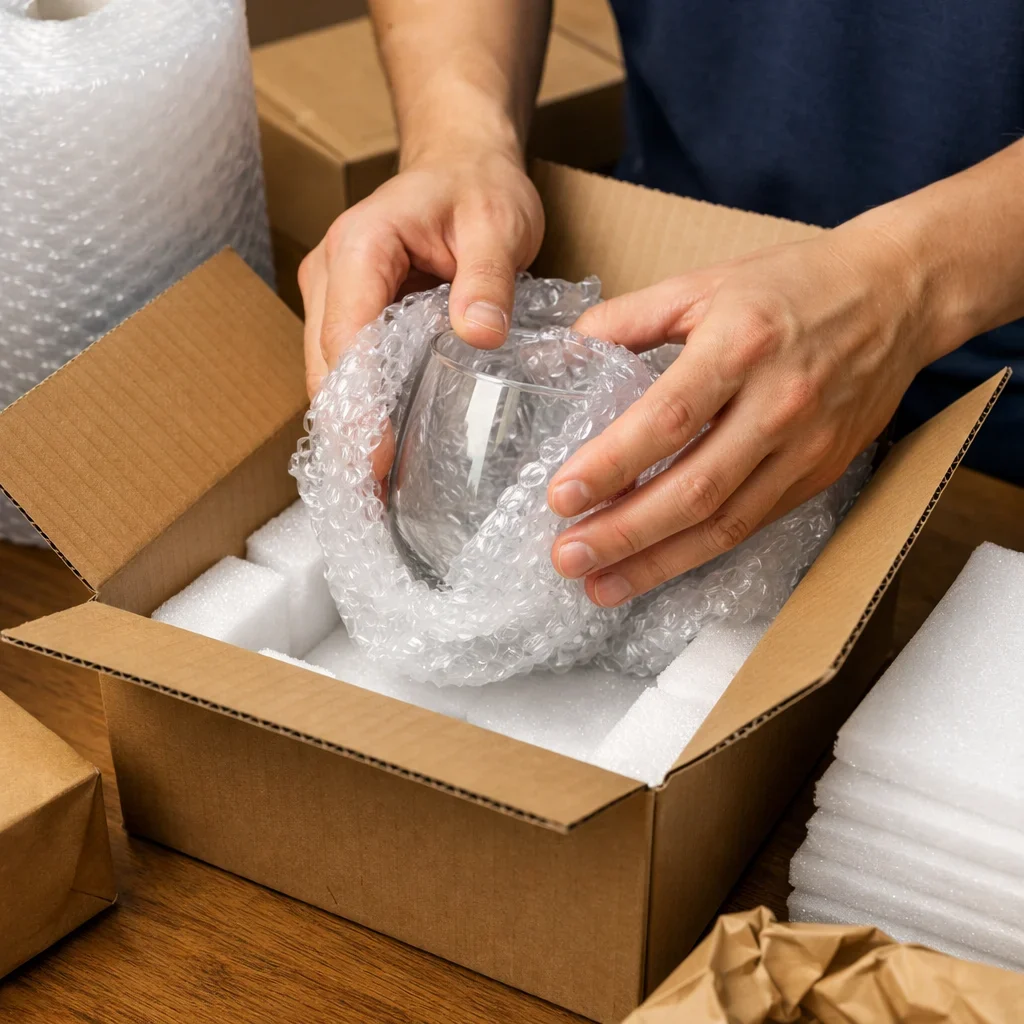
Shipping fragile products safely is about more than choosing the right box. The amount of protective cushioning you use can make the difference between a package arriving intact or damaged. Whether you’re shipping glassware, electronics, collectibles, or industrial equipment, using the right amount of bubble roll helps absorb shocks, reduce movement inside the box, and protect your products throughout transit.
Many businesses either use too little bubble wrap, leaving items vulnerable to damage, or use far more than necessary, increasing shipping costs and packaging waste. This guide explains how much bubble wrap you need for different types of shipments, the factors that affect cushioning requirements, and best practices for efficient packing.
Why Bubble Wrap Matters in Shipping
Bubble wrap acts as a protective cushion that absorbs impact during handling and transportation. Packages are frequently dropped, stacked, vibrated, and compressed while moving through warehouses, trucks, and delivery centers.
Proper cushioning helps protect against:
- Drops during handling
- Vibration during transport
- Compression from stacked boxes
- Minor punctures and scratches
- Internal movement that causes breakage
Choosing the correct amount of bubble wrap ensures your products remain secure without unnecessarily increasing package size or shipping costs.
There Isn’t One Standard Amount
The amount of bubble wrap required depends on several factors, including:
- Product weight
- Fragility
- Product shape
- Shipping distance
- Packaging method
- Box size
- Available empty space
A lightweight ceramic mug requires different protection than a 40-pound automotive component.
Instead of using a fixed number of layers, professional packers evaluate the product’s overall risk during transit.
General Bubble Wrap Guidelines
Here are some common recommendations for most shipments.
| Item Type | Recommended Bubble Wrap |
| Books | 1 layer |
| Clothing | Usually none required |
| Picture Frames | 2–3 layers |
| Glassware | 3–5 layers |
| Electronics | 3–4 layers |
| Ceramics | 4–5 layers |
| Industrial Parts | Heavy-duty large bubbles |
| Collectibles | Multiple layers with void fill |
These are starting points. Additional protection may be necessary for long-distance or international shipping.
Understanding Bubble Sizes
Not every bubble wrap roll provides the same level of protection.
Small Bubble (3/16″)
Best for:
- Cosmetics
- Jewelry
- Small electronics
- Decorative items
- Light household products
Advantages:
- Flexible
- Wraps tightly
- Good scratch protection
Medium Bubble (5/16″)
Suitable for:
- Kitchenware
- Home décor
- Toys
- Electronics
Offers balanced cushioning for most eCommerce shipments.
Large Bubble (1/2″)
Ideal for:
- Heavy products
- Industrial equipment
- Machinery parts
- Large electronics
- Automotive components
Large bubbles absorb stronger impacts and distribute force more effectively.
When You Need a Bubble Roll
A bubble roll is designed for products that require maximum impact protection.
It’s commonly used for shipping:
- Industrial equipment
- Heavy electronics
- Metal parts
- Manufacturing components
- Automotive parts
- Large fragile products
- Commercial machinery
Heavy-duty bubble wrap generally features thicker plastic and larger air bubbles, making it more resistant to punctures and compression than standard bubble wrap.
How to Calculate the Amount of Bubble Wrap
A simple process helps determine how much bubble wrap you need.
Step 1: Measure the Product
Measure:
- Length
- Width
- Height
These measurements determine how much material is needed for each wrap layer.
Step 2: Decide the Number of Layers
Typical recommendations include:
- Durable products: 1–2 layers
- Moderate fragility: 2–3 layers
- Highly fragile products: 4–6 layers
- Heavy machinery: Heavy-duty bubble wrap with additional cushioning
Step 3: Leave Extra Material
Always leave additional bubble wrap for:
- Corners
- Edges
- Overlapping seams
These areas receive the greatest impact during shipping.
Step 4: Fill Empty Space
Bubble wrap isn’t just for wrapping products.
It also fills empty spaces inside the box to prevent movement.
Any movement inside the package increases the risk of damage.
Don’t Forget Box Clearance
Even perfectly wrapped products can become damaged if packed into an oversized box.
A good rule is to leave approximately 2–3 inches of cushioning around all sides of fragile items.
This protective zone helps absorb impacts before they reach the product.
Bubble Wrap for Different Product Categories
Glass Items
Glass products require:
- 3–5 layers
- Corner protection
- Void fill
- Double-wall boxes for larger pieces
Electronics
Electronics benefit from:
- Anti-static bubble wrap (when applicable)
- Multiple protective layers
- Secure positioning
- No internal movement
Ceramics
Ceramics are highly susceptible to impact damage.
Recommended protection includes:
- Multiple layers
- Reinforced corners
- Cushioning beneath the product
- Additional side padding
Heavy Equipment
Heavy items often require:
- Large bubble wrap
- Heavy-duty cushioning
- Reinforced shipping boxes
- Foam inserts for added support
Common Bubble Wrap Mistakes
Avoid these common packaging errors.
Using Too Little
Insufficient cushioning exposes products directly to shipping impacts.
Using Too Much
Excessive bubble wrap:
- Increases shipping costs
- Creates oversized packages
- Wastes packaging materials
The goal is efficient protection, not excessive wrapping.
Leaving Empty Space
Items should never slide around inside the shipping box.
Use bubble wrap, air pillows, kraft paper, or foam to fill all empty spaces.
Wrapping Too Loosely
Loose bubble wrap shifts during transit, reducing its protective effectiveness.
Wrap products firmly without compressing the bubbles.
How Shipping Distance Affects Bubble Wrap Requirements
The farther a package travels, the more handling it typically experiences.
Consider adding extra protection for:
- Cross-country shipping
- International deliveries
- Freight shipments
- Long-term storage
- High-value products
More handling generally means a higher chance of impacts.
Tips to Reduce Shipping Costs
Using bubble wrap efficiently can help lower packaging expenses without sacrificing protection.
Consider these best practices:
- Select the appropriate bubble size for the product.
- Avoid oversized boxes whenever possible.
- Use the correct number of wrap layers based on the item’s fragility.
- Combine bubble wrap with other void-fill materials when appropriate.
- Purchase bubble wrap rolls in bulk if you ship frequently.
- Test packaging methods for commonly shipped products to find the most cost-effective solution.
Balancing protection with package size helps minimize dimensional weight charges while reducing the risk of damage claims.
Frequently Asked Questions
How many layers of bubble wrap should I use?
Most fragile products require between 2 and 5 layers. Highly delicate or expensive items may need additional cushioning depending on their weight and shipping conditions.
Is large bubble wrap better than small bubble wrap?
Not always. Small bubbles are ideal for lightweight, delicate items, while large bubbles provide superior cushioning for heavier or bulkier products.
Can bubble wrap be used as void fill?
Yes. Bubble wrap is an effective void-fill material that helps prevent products from shifting inside the shipping box during transit.
Should bubble wrap touch the product directly?
Yes, for most items, the bubble side is typically placed facing the product. This allows the air-filled bubbles to absorb impacts more effectively.
Is heavy-duty bubble wrap reusable?
In many cases, yes. As long as the bubbles remain inflated and the material is not torn or punctured, heavy-duty bubble wrap can often be reused for future shipments.
Conclusion
Using the right amount of bubble wrap is essential for protecting products while keeping shipping costs under control. The ideal amount depends on the item’s size, weight, fragility, and the conditions it will encounter during transit. Choosing the correct bubble size, applying the appropriate number of layers, and eliminating empty space inside the box all contribute to safer deliveries and fewer damage claims.
If you’re looking for reliable packaging materials, including bubble roll, shipping boxes, and other protective packaging supplies, Starboxes offers a wide range of solutions designed to help businesses ship products with confidence.
