



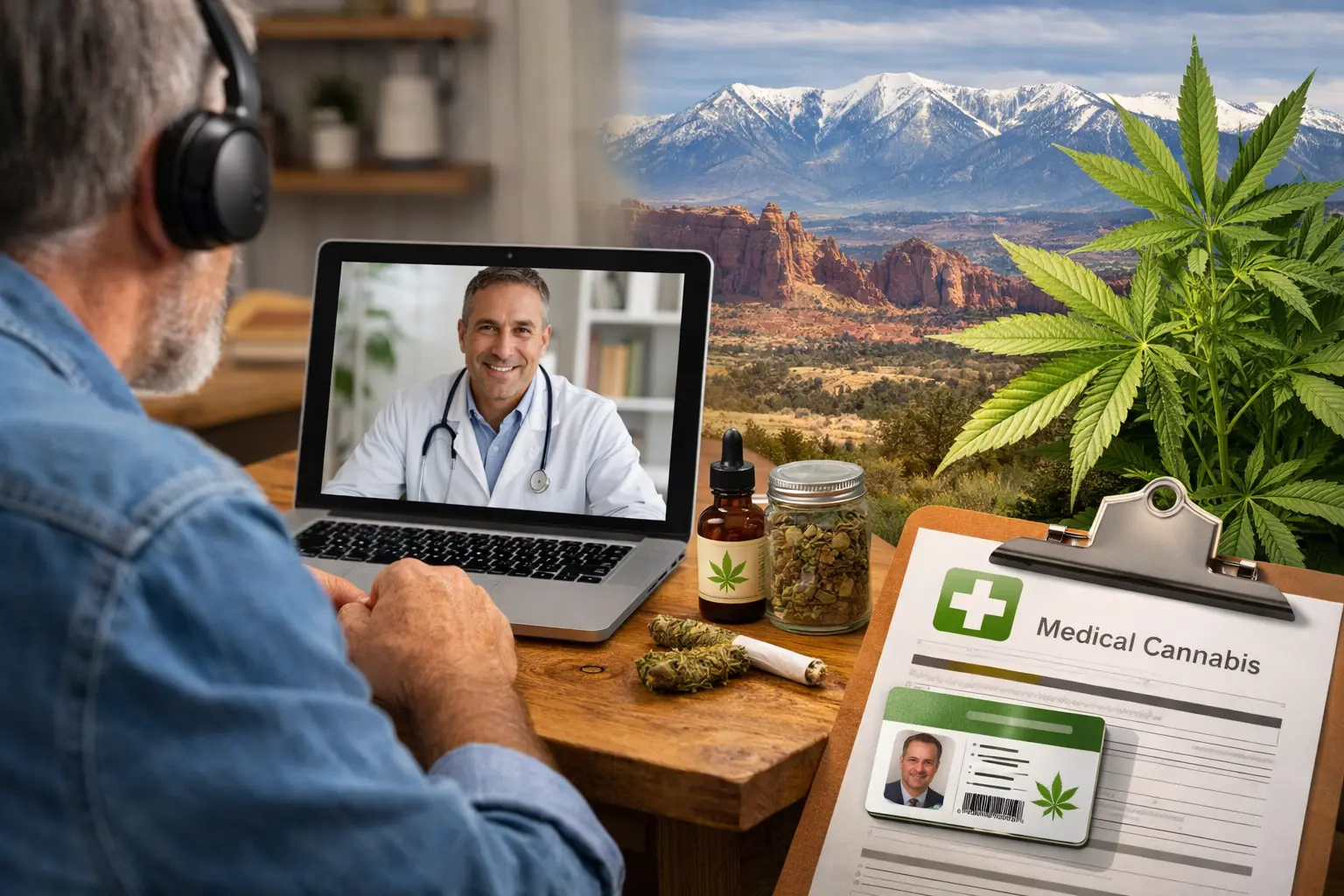
Over the past few years, healthcare has shifted dramatically toward digital platforms, and one of the clearest examples of this transformation is the way patients now obtain a Medical marijuana card online. What once required in-person visits, long waits, and complicated paperwork can now often be completed from home through telehealth services. This change has not only improved convenience but has also expanded access for patients with chronic conditions, mobility challenges, or limited healthcare availability.
The Traditional Medical Marijuana Card Process
Before telehealth became widely adopted, applying for a medical marijuana card typically involved several steps:
Patients had to schedule in-person appointments, visit licensed physicians, provide medical records, and often wait days or weeks for approval. These requirements created barriers such as travel difficulties, limited clinic availability, and stigma around visiting cannabis-related medical offices.
For many patients, especially those with chronic pain or anxiety disorders, this traditional system was slow and discouraging, causing some to abandon the process entirely.
The Rise of Telehealth in Cannabis Certification
Telehealth changed this system by allowing patients to connect with licensed physicians through secure video or phone consultations. Instead of physically visiting a clinic, patients can now complete evaluations online from their homes.
In many states, the process now looks like this: patients register on a telehealth platform, fill out medical history forms, and schedule a virtual appointment. During the consultation, a licensed doctor evaluates whether they qualify for medical cannabis treatment under state law. If approved, they receive documentation or certification needed to apply for a state-issued card.
This streamlined model has made the Medical marijuana card online process significantly faster and more accessible than traditional methods.
How Telehealth Simplified the Application Experience
One of the biggest impacts of telehealth is the reduction in administrative complexity. Digital platforms now handle most of the paperwork, including appointment scheduling, physician matching, and submission guidance.
Patients no longer need to navigate confusing medical office systems or wait in crowded waiting rooms. Instead, everything is handled through secure online portals. Many services also offer same-day or next-day approvals depending on state regulations and physician availability.
This has turned what was once a multi-week process into something that can sometimes be completed in just a few hours.
Increased Accessibility for Patients
Telehealth has played a major role in improving access to medical cannabis evaluations, especially for people in rural or underserved areas. Patients who previously had to travel long distances to find a qualified physician can now complete their entire evaluation online.
It has also benefited individuals with physical disabilities, chronic illnesses, or mental health conditions that make travel difficult. The convenience of remote consultations reduces stress and allows patients to seek treatment without unnecessary barriers.
Privacy, Comfort, and Reduced Stigma
Another important benefit of telehealth is privacy. Many patients feel more comfortable discussing sensitive health conditions from their own home rather than in a clinical setting.
This increased privacy reduces stigma, which has historically been a major barrier in medical cannabis access. Online consultations allow patients to speak openly with doctors without fear of judgment or social pressure.
Speed and Efficiency of Modern Applications
One of the most noticeable improvements brought by telehealth is speed. Traditional systems often took weeks due to scheduling delays and manual processing.
Now, many telehealth platforms offer rapid evaluations, and in some cases, patients receive approval the same day. After approval, they can proceed with state registration or dispensary access depending on local laws.
This efficiency is one of the key reasons the Medical marijuana card online process has become so popular.
State Regulations Still Matter
Despite the convenience of telehealth, regulations still vary widely between states. Some states require an in-person visit for initial certification, while others allow fully online evaluations. Renewal processes are often more flexible and commonly permitted through telehealth.
Patients must still follow their state’s legal requirements for registration, documentation, and renewal timelines. Telehealth simplifies the medical consultation process, but it does not replace state-level cannabis laws.
The Future of Medical Marijuana Card Applications
The trend toward digital healthcare suggests that telehealth will continue to expand in the cannabis industry. As regulations evolve and more states adopt flexible policies, the entire certification process may become fully integrated into online healthcare systems.
Future improvements may include faster verification systems, AI-assisted intake forms, and even more streamlined approval workflows. The overall direction is clear: medical cannabis access is becoming more digital, more efficient, and more patient-centered.
Conclusion
Telehealth has fundamentally changed how patients apply for medical cannabis access. By removing the need for in-person visits, reducing paperwork, and speeding up approval times, it has made the process far more accessible and convenient.
Today, the Medical marijuana card online system represents a major step forward in modern healthcare, combining technology with patient care to create a smoother and more inclusive experience for those seeking medical cannabis treatment.
