



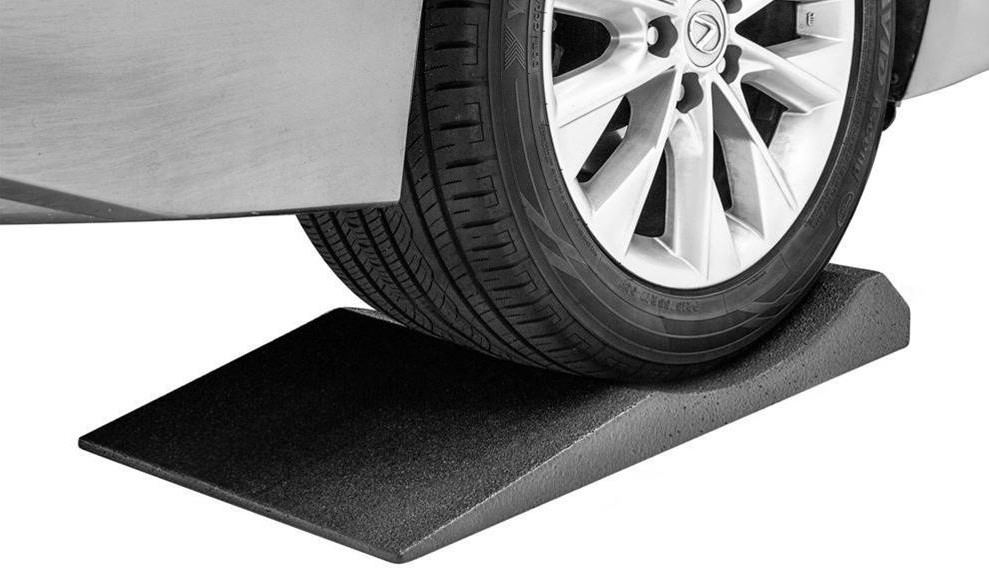
If you’ve invested in racing slicks, you already know they’re built for maximum grip, not long-term durability. Unlike regular street tires, racing slicks use softer compounds that degrade faster—especially if they’re stored incorrectly. Proper storage isn’t just a good habit; it can significantly extend the lifespan, maintain performance, and protect your investment.
This guide walks you through everything you need to know about storing racing slicks the right way, whether you’re a weekend track enthusiast or a competitive racer.
Why Proper Storage Matters for Racing Slicks
Racing slicks are highly sensitive to environmental conditions. Their rubber compounds are designed to heat up quickly and deliver peak grip under extreme conditions. However, that same softness makes them vulnerable to:
- Temperature fluctuations
- UV exposure
- Moisture and humidity
- Ozone and air pollutants
Improper storage can lead to hardening, cracking, or loss of grip—even if the tires look visually fine. That means slower lap times and reduced safety.
Ideal Storage Conditions
1. Keep Them in a Cool, Stable Environment
Temperature is one of the biggest factors affecting tire longevity. Store your racing slicks in a space where temperatures remain consistent.
- Ideal range: 10°C to 25°C (50°F to 77°F)
- Avoid freezing temperatures or excessive heat
- Never store near heaters, boilers, or direct sunlight
Extreme cold can cause the rubber to stiffen and crack, while excessive heat accelerates chemical breakdown.
2. Avoid Direct Sunlight and UV Exposure
UV rays are extremely damaging to rubber. Even a few weeks of exposure can dry out the surface and reduce grip.
- Store tires in a dark room or covered area
- Use tire covers or opaque plastic bags to block light
3. Control Humidity and Moisture
Moisture can lead to surface degradation and affect the internal structure of the tire.
- Store in a dry environment
- Avoid damp basements or outdoor sheds
- If needed, use a dehumidifier in enclosed storage areas
4. Keep Away from Ozone Sources
Ozone is a silent killer for rubber. It causes cracking and premature aging.
Avoid storing racing slicks near:
- Electric motors
- Generators
- Welders
- Air compressors
These devices emit ozone, which can damage tire compounds over time.
How to Store Racing Slicks Properly
1. Clean Tires Before Storage
Before putting your tires away, clean them thoroughly:
- Remove debris, rubber marbles, and track residue
- Use mild soap and water (avoid harsh chemicals)
- Let them dry completely before storage
Clean tires age more slowly and maintain better performance.
2. Use Airtight Bags or Tire Wraps
One of the best ways to preserve racing slicks is by limiting their exposure to air.
- Store in airtight plastic bags
- Vacuum-sealing is even better if possible
- This reduces oxidation and moisture exposure
3. Store Vertically or Horizontally (Correctly)
If mounted on wheels:
- Stack horizontally (like pancakes)
- Avoid stacking too high to prevent deformation
If unmounted:
- Store vertically (upright)
- Rotate them occasionally to avoid flat spots
4. Avoid Load Pressure
Do not place heavy objects on top of your tires. Constant pressure can deform the structure, especially for softer racing compounds.
Short-Term vs Long-Term Storage
Short-Term Storage (Days to Weeks)
- Keep tires in a shaded, cool area
- No need for sealing, but avoid sun and heat
- Ideal for between race weekends
Long-Term Storage (Months or Off-Season)
- Clean and dry thoroughly
- Seal in airtight bags
- Store in a temperature-controlled environment
- Keep away from ozone sources
Additional Tips to Extend Tire Life
Heat Cycle Management
Racing slicks degrade not just with use, but with heat cycles. Try to:
- Avoid unnecessary heating (like test laps without purpose)
- Store tires after they’ve cooled naturally
Label and Track Usage
Keep track of:
- Number of heat cycles
- Track sessions
- Tire position (front/rear, left/right)
This helps you rotate and use tires more efficiently.
Don’t Mix Storage Conditions
If you store some tires properly and others poorly, you’ll end up with inconsistent performance. Always maintain uniform storage practices.
Common Mistakes to Avoid
- Leaving tires exposed to sunlight in trailers or garages
- Storing near electric equipment that emits ozone
- Keeping tires in damp or humid conditions
- Not cleaning tires before storage
- Stacking improperly and causing deformation
Final Thoughts
Racing slicks are a high-performance investment, and their lifespan depends heavily on how you treat them off the track. Proper storage can mean the difference between a tire that delivers peak grip for multiple sessions and one that loses performance prematurely.
By controlling temperature, minimizing exposure to air and light, and storing them correctly, you can extend the life of your racing slicks and get the most value out of every set.
If you’re serious about performance, storage isn’t an afterthought—it’s part of your race strategy.
