



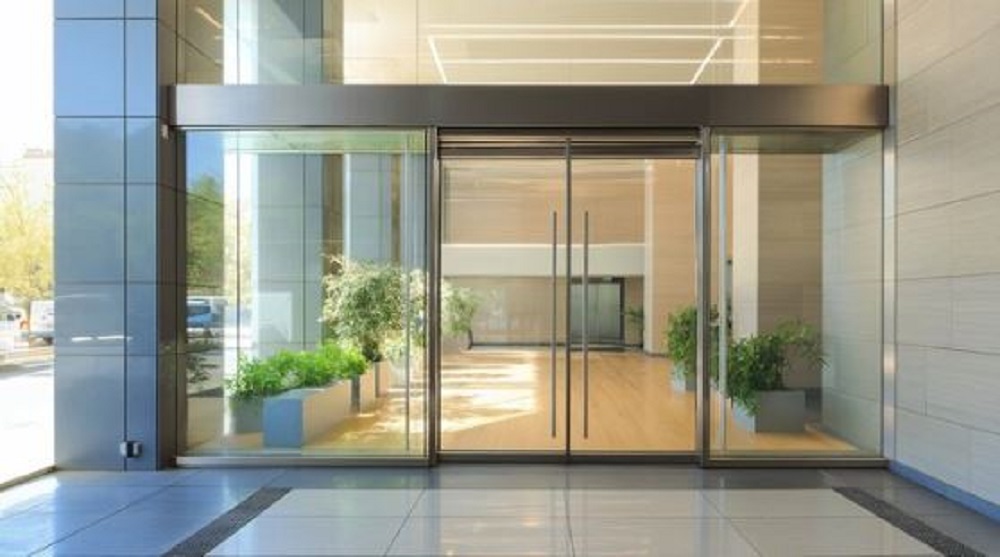
Commercial doors do more than provide an entry or exit point. They play an important role in security, accessibility, efficiency, and the overall functionality of a building. Since every commercial establishment has unique operational requirements, choosing the right door system is an important part of creating a safe and efficient space.
Understanding the strengths of different commercial door options can help business owners make informed decisions during construction or expansion projects. The right choice can also support daily operations while improving convenience for employees and visitors. Below are some of the most common door types used across various commercial establishments.
Retail Stores and Shopping Centers
Retail stores experience a constant flow of customers throughout the day, making convenience a major consideration when selecting doors. Wide entrances help create a welcoming atmosphere while allowing shoppers to move in and out comfortably. Glass storefront doors are a popular choice because they maximize product visibility and allow natural light to brighten the interior.
Durable aluminum-framed doors are also commonly used because they can withstand frequent daily use. Security features such as reinforced locks and impact-resistant glass help protect the business after operating hours. Properly selected doors can also contribute to energy efficiency by helping maintain indoor temperatures. Choosing the right entrance solution supports both customer satisfaction and the smooth operation of the business.
Office Buildings
Office buildings require entrance solutions that support both professionalism and everyday convenience. Many commercial offices install automatic entrance systems to improve accessibility for employees and visitors while maintaining efficient traffic flow. These doors provide hands-free operation, making them especially helpful during busy business hours. They also create a welcoming first impression by offering smooth and reliable access to the building. Many systems can be integrated with access control features to help manage entry into secure areas. Their dependable performance makes them well suited for office environments with frequent daily use.
Restaurants and Hospitality Businesses
Restaurants and other hospitality establishments rely on swing doors to support efficient daily operations. These doors are commonly installed between kitchens, dining areas, lobbies, and service spaces because they allow staff to move quickly while carrying food, trays, or supplies. Their two-way operation helps improve workflow during busy service hours by reducing delays and minimizing congestion in high-traffic areas.
Many swing doors are made from durable materials that can withstand frequent use while meeting the demands of fast-paced hospitality environments. They can also be designed with impact-resistant finishes for easier maintenance and longer service life. Depending on the application, swing doors may include vision panels that improve visibility and help staff move safely between rooms.
In hospitality settings, they help separate work areas without interrupting the flow of daily operations. Their practical design supports efficiency while contributing to a comfortable and positive experience for both employees and guests.
Healthcare Facilities
Healthcare facilities prioritize door systems that promote accessibility and efficient movement throughout the building. Automatic doors are commonly installed at main entrances and key access points to provide hands-free operation for patients and medical staff. They also make it easier to move wheelchairs and stretchers while reducing physical contact in areas where hygiene is a priority. Their smooth operation helps maintain steady traffic flow in busy healthcare environments.
Fire-rated doors are equally important because they help slow the spread of fire and smoke during emergencies. These doors are typically installed in corridors and other designated areas to support building safety requirements and evacuation procedures. Together, automatic and fire-rated doors contribute to a more accessible and better-organized healthcare environment
Warehouses and Industrial Facilities
Warehouses and industrial buildings commonly rely on roller doors because they are designed to handle demanding environments and frequent daily use. Their vertical opening design helps maximize available space while allowing forklifts and trucks to move efficiently between indoor and outdoor areas. Roller doors also provide dependable performance in facilities with constant loading and unloading activities. Their durable construction makes them well suited for busy industrial operations.
Many roller doors are built to withstand changing weather conditions while helping protect inventory and equipment inside the facility. They can also be operated manually or with motorized systems to improve efficiency during daily operations. Their reliability and practical design make roller doors a valuable solution for warehouses and industrial buildings.
Educational Institutions
Schools and universities require reliable security solutions that help protect students and campus facilities. Steel sliding security doors are often installed in gymnasiums, storage rooms, maintenance buildings, and other areas that require controlled access outside of regular school hours. Their strong steel construction provides added protection while standing up to frequent use in busy educational environments.
The sliding design makes these doors a practical option for spaces where maximizing available room is important. They can also help secure valuable equipment and supply areas while limiting unauthorized access to restricted sections of the campus. Their durability allows them to perform reliably with minimal maintenance over time.
In educational settings, steel sliding security doors contribute to a safer and more organized facility without disrupting daily operations. Their combination of strength and space-saving design makes them well suited for a variety of campus buildings and support areas.
Conclusion
Selecting the right commercial door starts with understanding how the building functions and the demands of its daily operations. Every type of commercial establishment has unique requirements, so the most suitable door will depend on the environment and its intended use. A well-matched door can improve efficiency and enhance safety, while supporting a more comfortable experience for employees, customers, students, and visitors. Taking the time to evaluate your building’s needs helps ensure the door system will continue to perform reliably for years to come.
