



People new to precious metals often assume rare coins and bullion are the same thing. Both are shiny, both hold value, and both can be tucked away for the future. The reality is that they serve very different purposes, one driven by history and rarity, the other by the raw weight of the metal itself. Understanding that gap helps a person decide where their money actually belongs.
Why Collectors Chase Rare Coins
Rare coin collecting, often called numismatics, is about far more than the metal in the coin. A collector cares about a coin’s age, its condition, and how few of that particular coin still exist. A worn penny from the right year can be worth thousands, while a gleaming modern coin might be worth only its face value.
The appeal is part treasure hunt, part history lesson. Collectors love the story behind a piece, the chase to find it, and the pride of owning something scarce. Value can climb based on demand among other collectors, which means a rare coin’s worth is tied to more than the market price of gold or silver.
What Makes Bullion a Simpler Play
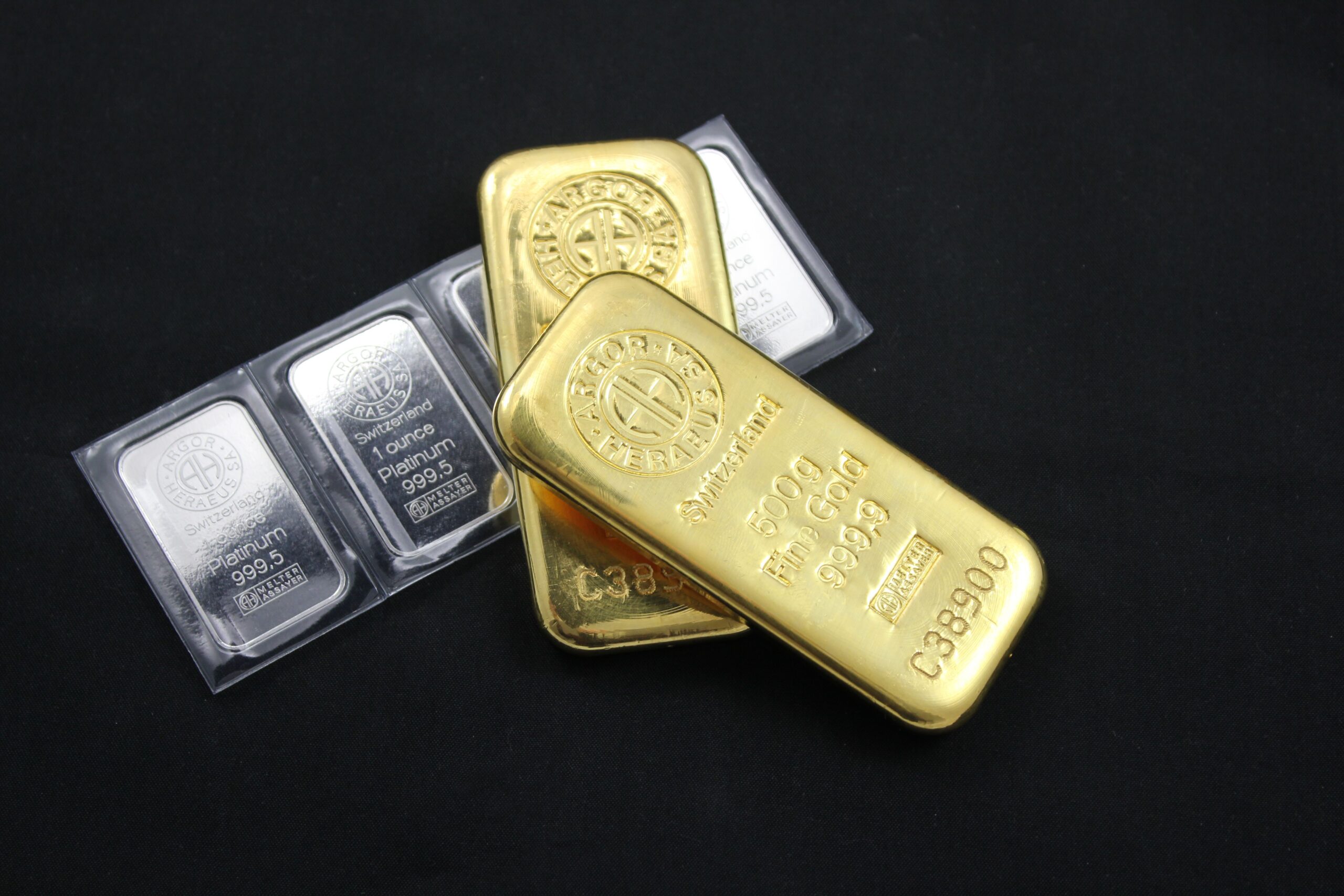
Bullion works in the opposite direction. A bullion coin or bar is valued almost entirely on its metal content, whether gold, silver, or another precious metal, so its worth rises and falls with the daily market price.
There is no guesswork about rarity or condition. An ounce of gold bullion is worth what an ounce of gold is worth that day, no matter how pretty it looks. For someone who wants a direct, easy way to own precious metal, working with a trusted dealer like Coin Shop Arizona tends to be the cleaner path, since the pricing is transparent and the value is easy to track at any moment.
How Pricing Sets the Two Apart
The way each asset is priced reveals where the real split shows. Bullion trades close to the current market spot price plus a small premium, keeping the cost predictable and easy to track. Conversely, rare coins throw that predictability out the window because their value depends on collector demand, which swings based on trends and historical significance. Consequently, two pieces containing the exact same amount of gold can carry completely different price tags if one happens to be scarce, making rare coins potentially rewarding but also harder to liquidate quickly.
Which Path Fits Which Buyer
The right choice ultimately comes down to what a person wants out of the purchase. Before diving into the market, an investor needs to determine whether they are looking for a straightforward financial hedge or a deep, historical hobby.
Someone looking to protect their savings against inflation or economic dips usually leans toward bullion. It is highly liquid, meaning it can be sold quickly and easily anywhere in the world, and its value remains completely straightforward based on daily market rates.
Collectors tend to be a different breed, often driven by passion as much as profit and willing to study, wait, and hunt for the right pieces. A person chasing steady, predictable value feels more at home with bullion, while someone who enjoys history and the thrill of the find may fall in love with rare coins. Neither path is wrong; they simply scratch entirely different financial and personal itches.
Where Beginners Should Start
For most newcomers, bullion is the gentler entry point. It requires little specialized knowledge, and there is far less risk of overpaying for something a beginner cannot properly judge. A person can buy a known amount of metal at a known price and feel confident about what they own.
Rare coins reward patience and education, so they suit someone ready to dig into the details over time. There is nothing wrong with starting simple and branching into collecting later once the interest grows. A trusted local dealer can help a beginner understand both worlds before committing real money to either one.
Conclusion
Rare coins and bullion may sit side by side in the same shop, yet they appeal to very different instincts. One rewards knowledge, patience, and a love of history. The other offers a clean, direct way to own precious metal. Neither is better across the board, it depends entirely on a person’s goals, and understanding the difference is the first real step toward buying with confidence instead of confusion.
