



Introduction
The universe is vast, mysterious, and endlessly fascinating. At the center of our immediate cosmic neighborhood lies the topic of The solar system and Beyond: Understanding Our Place in the Universe, which helps us explore not only our planets and sun but also the greater structure of space that surrounds us. Studying The Solar System and Beyond: Understanding Our Place in the Universe allows scientists and learners to connect Earth’s position to the broader cosmic picture.
What Is the Solar System?
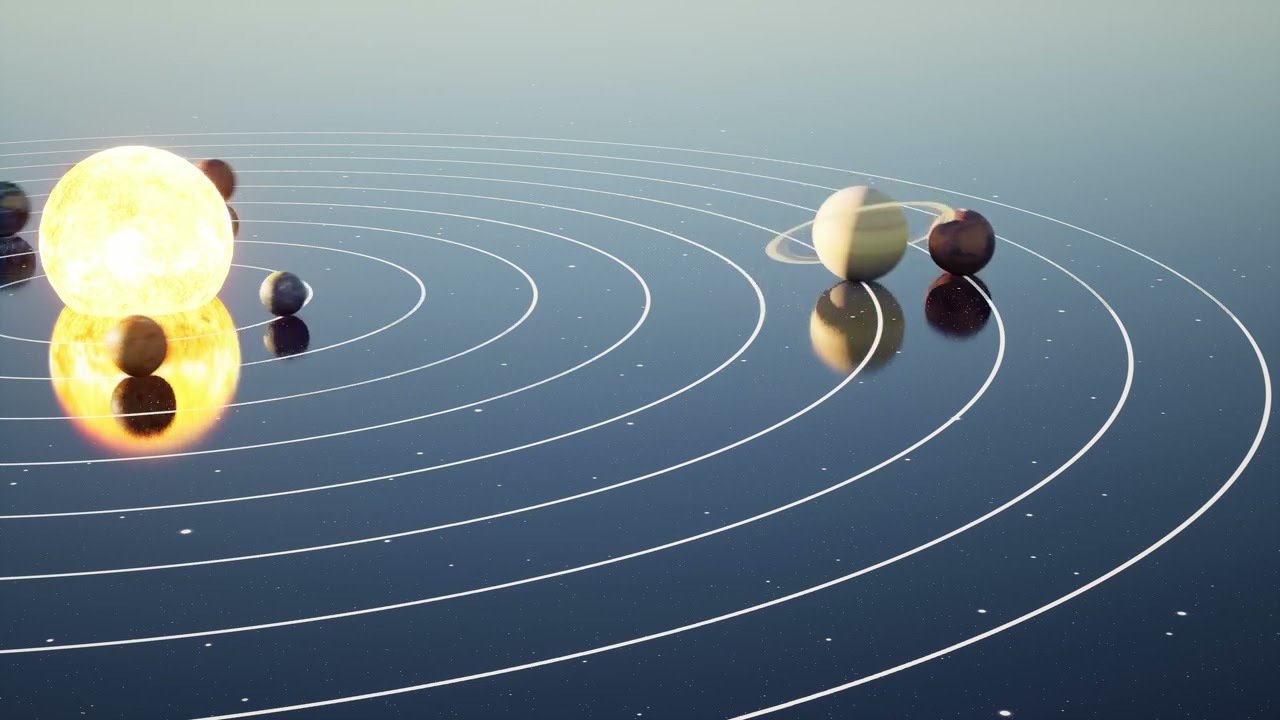
The Solar System consists of the Sun and all celestial bodies bound to it by gravity. These include eight planets, their moons, dwarf planets, asteroids, and comets.
Earth is just one of these planets, yet it supports life in a way no other known world does. When we examine The Solar System and Beyond: Understanding Our Place in the Universe, we begin to see how unique and delicate our position truly is.
The Planets in Our Cosmic Neighborhood
Each planet in the Solar System has distinct features:
- Mercury: The closest planet to the Sun, extremely hot during the day and freezing at night
- Venus: A thick, toxic atmosphere with runaway greenhouse effects
- Earth: The only known planet with life
- Mars: A cold desert world with signs of ancient water
- Jupiter: The largest planet, known for its Great Red Spot
- Saturn: Famous for its beautiful ring system
- Uranus: An ice giant with a tilted rotation
- Neptune: A deep blue, windy outer planet
Understanding these worlds is a key part of The Solar System and Beyond: Understanding Our Place in the Universe, as each planet helps scientists learn more about how solar systems form and evolve.
Beyond the Solar System
When we move beyond our Solar System, we enter the realm of stars, galaxies, and deep space. Billions of stars exist in the Milky Way galaxy alone, and many of them likely host their own planetary systems.
This broader perspective is central to The Solar System and Beyond: Understanding Our Place in the Universe, because it shifts our view from a local system to a galactic scale.
Galaxies and the Expanding Universe
Galaxies are massive collections of stars, gas, dust, and dark matter. The Milky Way is just one among billions in the observable universe.
The universe itself is expanding, meaning galaxies are slowly moving away from each other. This expansion is one of the most important discoveries in modern astronomy and deepens our understanding of The Solar System and Beyond: Understanding Our Place in the Universe.
Why It Matters
Studying space is not just about curiosity—it helps us understand our origins, our future, and our responsibility toward Earth. Technologies developed for space exploration also improve life on our planet.
By exploring The Solar System and Beyond: Understanding Our Place in the Universe, humanity gains insight into where we come from and where we might go next.
Conclusion
The cosmos is far larger than anything we experience in daily life, yet it is deeply connected to us. From planets and moons to galaxies and cosmic expansion, The Solar System and Beyond: Understanding Our Place in the Universe provides a framework for understanding our position in the vastness of space.
