



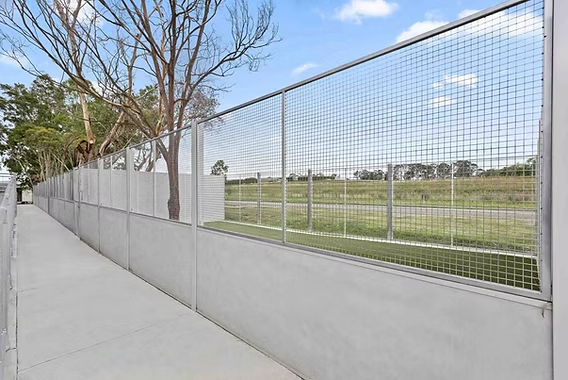
Commercial properties require more than just a boundary—they need security, durability, privacy, and a professional appearance. Whether you’re protecting a warehouse, office building, retail center, school, or industrial facility, choosing the right fence can make a significant difference in safety and long-term maintenance costs. Experienced commercial fence contractors help businesses select fencing solutions that match their property’s security requirements, local regulations, and budget.
This guide explores the most common types of commercial fencing, their benefits, ideal applications, and the factors to consider before making an investment.
Why Commercial Fencing Matters
A commercial fence serves several important purposes beyond marking property lines.
Some of the key benefits include:
- Improves security by limiting unauthorized access
- Protects employees, equipment, and inventory
- Enhances privacy where needed
- Defines property boundaries clearly
- Boosts curb appeal for customers and visitors
- Helps businesses comply with safety regulations
- Reduces liability by restricting access to hazardous areas
Professional contractors evaluate your property’s layout, security risks, traffic flow, and aesthetic goals before recommending the most suitable fencing solution.
Factors to Consider Before Choosing Commercial Fencing
Before selecting a fencing system, consider several important factors.
Security Requirements
Different businesses require different levels of protection. A warehouse storing expensive equipment needs stronger fencing than a small office building.
Privacy
Some facilities need complete privacy, while others simply need to define boundaries.
Maintenance
Certain fencing materials require regular maintenance, while others remain virtually maintenance-free for decades.
Budget
Initial installation costs should be balanced with long-term repair and maintenance expenses.
Local Building Codes
Commercial fences often need to comply with municipal regulations regarding height, setbacks, and materials.
Appearance
Your fence contributes to your property’s overall image and should complement the building’s architecture.
Types of Commercial Fencing
1. Chain Link Fencing
Chain link fencing remains one of the most popular commercial fencing options because it is affordable, durable, and versatile.
Best For
- Warehouses
- Factories
- Schools
- Parks
- Construction sites
- Distribution centers
Benefits
- Cost-effective
- Fast installation
- Low maintenance
- Long lifespan
- Excellent visibility
- Can be upgraded with barbed wire or privacy slats
Considerations
Although highly functional, chain link fences provide limited privacy unless fitted with privacy inserts.
- Ornamental Steel Fencing
Businesses seeking both security and aesthetics often choose ornamental steel fencing.
These fences provide an upscale appearance without sacrificing strength.
Best For
- Office buildings
- Hotels
- Universities
- Hospitals
- Government facilities
Benefits
- Elegant appearance
- Extremely durable
- Rust-resistant coatings
- Low maintenance
- Strong security
Considerations
Ornamental steel generally costs more than chain link fencing but offers significantly better curb appeal.
3. Aluminum Commercial Fencing
Aluminum fencing combines visual appeal with corrosion resistance.
It closely resembles wrought iron without the high maintenance requirements.
Best For
- Corporate offices
- Apartment complexes
- Parks
- Educational campuses
Benefits
- Rust resistant
- Lightweight
- Long lifespan
- Minimal maintenance
- Attractive appearance
Considerations
While durable, aluminum is not as impact-resistant as steel.
4. Vinyl Commercial Fencing
Vinyl fencing has become increasingly popular for businesses looking for privacy and minimal maintenance.
Best For
- Medical facilities
- Schools
- Residential developments
- Community centers
Benefits
- No painting required
- Won’t rot or rust
- Easy to clean
- Excellent privacy
- Weather resistant
Considerations
Vinyl can crack under severe impacts and generally costs more upfront than wood.
5. Wood Commercial Fencing
Wood fencing remains a favorite when businesses want a natural, welcoming appearance.
Best For
- Restaurants
- Resorts
- Parks
- Retail businesses
- Residential communities
Benefits
- Attractive appearance
- Customizable designs
- Excellent privacy
- Natural aesthetic
Considerations
Wood requires periodic staining, sealing, or painting to maximize its lifespan.
6. Composite Fencing
Composite fencing combines recycled wood fibers and plastic to create an eco-friendly alternative.
Best For
- Commercial developments
- Hotels
- Residential communities
- Office complexes
Benefits
- Low maintenance
- Fade resistant
- Rot resistant
- Attractive appearance
- Long lifespan
Considerations
Composite fencing has a higher initial investment but lower maintenance costs over time.
7. Welded Wire Fencing
Welded wire fencing provides excellent strength while maintaining visibility.
Best For
- Manufacturing facilities
- Distribution centers
- Utility sites
- Data centers
Benefits
- High security
- Difficult to climb
- Durable
- Minimal maintenance
Considerations
It offers limited privacy without additional screening.
8. High-Security Anti-Climb Fencing
Facilities with strict security requirements often install anti-climb fencing.
These systems feature tightly spaced mesh panels designed to prevent climbing and cutting.
Best For
- Airports
- Military facilities
- Data centers
- Correctional facilities
- Utility plants
Benefits
- Maximum security
- Difficult to penetrate
- Long-lasting
- Tamper resistant
Considerations
Installation costs are higher due to specialized materials and security features.
9. Privacy Fencing
Privacy fencing completely blocks visibility while enhancing security.
Common Materials
- Vinyl
- Wood
- Composite
- Metal panels
Best For
- Medical offices
- Outdoor storage
- Apartment complexes
- Commercial yards
Benefits
- Increased privacy
- Noise reduction
- Improved appearance
- Better property security
10. Temporary Commercial Fencing
Temporary fencing is commonly used for short-term projects.
Best For
- Construction sites
- Outdoor events
- Renovation projects
- Emergency response areas
Benefits
- Portable
- Fast installation
- Cost-effective
- Flexible configurations
Which Commercial Fence Is Best?
The ideal fencing solution depends on your business goals.
| Business Need | Recommended Fence Type |
| Budget-friendly security | Chain link |
| Premium appearance | Ornamental steel |
| Rust resistance | Aluminum |
| Maximum privacy | Vinyl or Composite |
| Natural appearance | Wood |
| High-security facilities | Anti-climb fencing |
| Industrial applications | Welded wire |
| Temporary protection | Temporary fencing |
Additional Features Commercial Fence Contractors Can Install
Professional contractors often recommend additional security upgrades.
These include:
- Automated access gates
- Keypad entry systems
- Card access controls
- Security cameras
- Barbed wire or razor wire
- Bollards
- Vehicle barriers
- Privacy slats
- Decorative gates
- Anti-climb toppers
These enhancements improve both convenience and site security.
Why Hire Professional Commercial Fence Contractors?
Commercial fencing projects require specialized expertise, equipment, and knowledge of local regulations.
Professional contractors provide:
- Accurate site evaluations
- Material recommendations
- Code-compliant installations
- Proper post depth and foundation work
- Efficient project management
- Long-term maintenance support
- Manufacturer-backed warranties
Hiring experienced professionals helps reduce costly mistakes while ensuring your fence performs reliably for years.
Maintaining Your Commercial Fence
Routine maintenance extends the life of any commercial fencing system.
Recommended maintenance includes:
- Inspecting posts and panels regularly
- Tightening loose hardware
- Cleaning dirt and debris
- Repairing damaged sections promptly
- Applying protective coatings when required
- Lubricating gates and hinges
- Trimming vegetation around the fence line
Preventive maintenance can significantly reduce repair costs and keep your property secure.
Frequently Asked Questions
What is the most durable commercial fencing material?
Steel and welded wire fencing are among the most durable options. High-security steel fencing can last several decades with proper maintenance.
Which commercial fence offers the best security?
Anti-climb steel mesh fencing provides the highest level of security because it resists climbing, cutting, and forced entry.
Is chain link fencing suitable for commercial properties?
Yes. Chain link fencing is one of the most widely used commercial fencing solutions due to its affordability, durability, and versatility.
How long does commercial fencing last?
Depending on the material, commercial fences can last anywhere from 20 to over 50 years with proper installation and regular maintenance.
Can commercial fences be customized?
Yes. Businesses can customize fence height, color, gates, access control systems, privacy features, and decorative elements to meet their operational and branding needs.
Conclusion
Selecting the right commercial fence is about balancing security, functionality, appearance, and long-term value. From cost-effective chain link systems to high-security anti-climb fencing and attractive ornamental steel designs, each option offers unique advantages for different types of commercial properties. Working with experienced commercial fence contractors ensures your fence is tailored to your property’s needs, complies with local regulations, and delivers reliable performance for years to come.
If you’re planning a new commercial fencing project or upgrading an existing installation, partnering with an experienced company like SuperFenceCo can help you choose the best fencing solution for your business while ensuring professional installation and lasting quality.
