



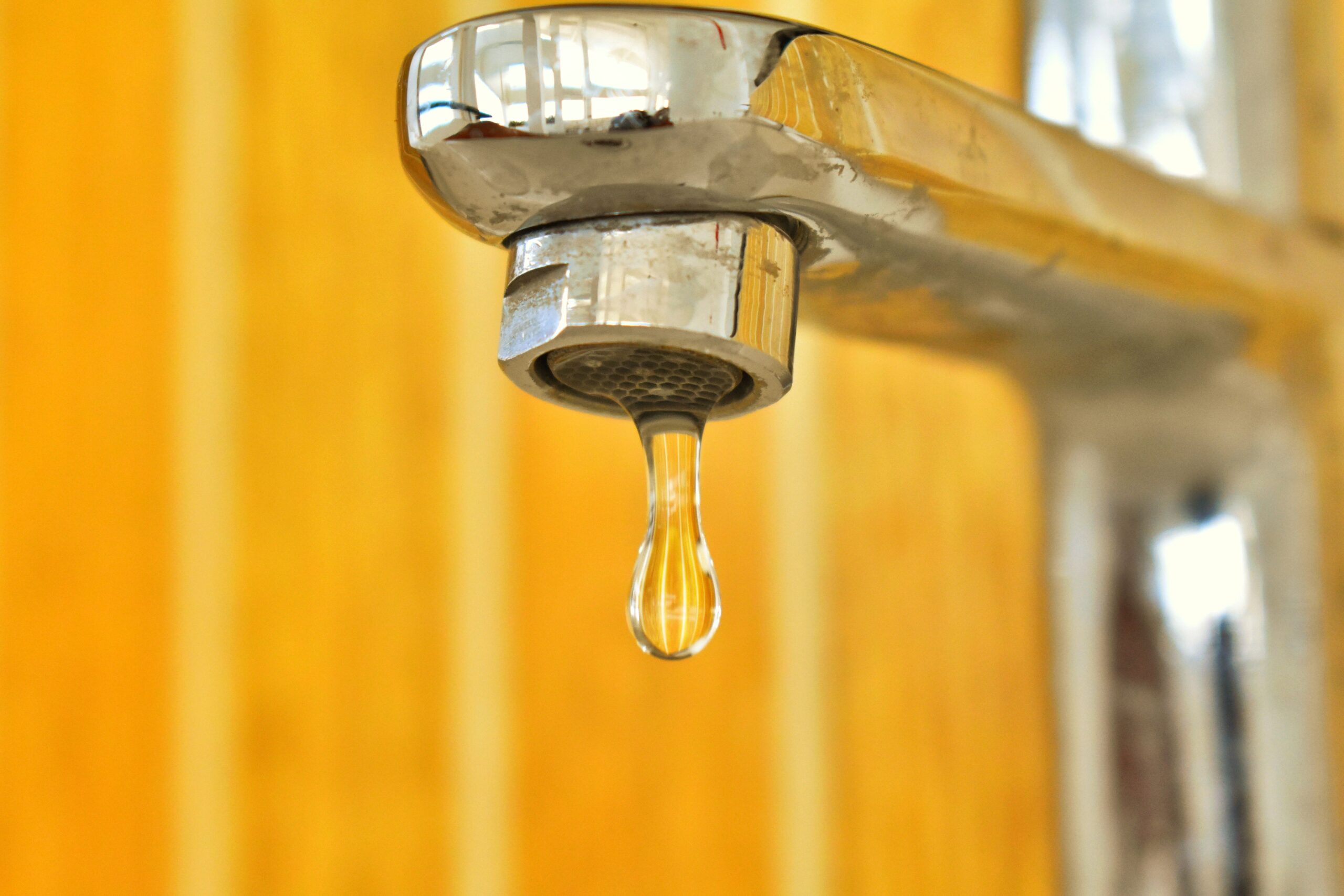
Taking the Right Steps After Finding a Leak
Discovering a water leak is only the beginning of protecting your home or commercial property. Whether the leak was found through visible signs, a professional inspection, or specialized leak detection equipment, acting promptly afterward is essential. Even a small leak can lead to structural damage, mold growth, and higher utility costs if it is not addressed properly.
Once the source of the leak has been identified, the next steps focus on minimizing damage, completing necessary repairs, and restoring the affected area. Taking a thoughtful approach after water leak detection helps prevent future problems while protecting the value and safety of your property.
Stop the Water Flow if Necessary
If the leak is still active, the first priority is stopping the flow of water. Depending on the location and severity of the problem, this may involve turning off the water supply to a specific fixture or shutting off the property’s main water valve.
Stopping the water limits additional damage to floors, walls, ceilings, and personal belongings. It also creates a safer environment for inspections and repairs by preventing further moisture from spreading throughout the affected area.
If you are unsure how to isolate the leak, a qualified plumber can assist with safely shutting off the appropriate water supply.
Evaluate the Extent of the Damage
After the leak has been stopped, carefully inspect the surrounding areas to determine how far the water has spread. Water often travels beyond the visible leak, affecting nearby materials that may not initially appear damaged.
Look for signs such as damp drywall, warped flooring, peeling paint, stained ceilings, swollen wood, or wet insulation. Moisture can also accumulate beneath flooring materials or inside wall cavities where it may not be immediately visible.
Understanding the full extent of the damage helps guide repair decisions and reduces the risk of hidden issues remaining untreated.
Document the Affected Areas
If the water leak has caused property damage, documenting the condition of the affected areas can be beneficial. Photographs and written notes provide a record of visible damage before cleanup or repairs begin.
This documentation may be useful if you need to discuss the situation with your insurance provider or contractors performing restoration work. Recording the condition of walls, flooring, ceilings, furniture, and personal belongings creates a clear timeline of events and helps support repair planning.
Keeping organized records can simplify communication throughout the restoration process.
Remove Standing Water Promptly
Standing water should be removed as soon as possible to reduce the risk of further damage. The longer water remains on surfaces, the greater the likelihood of structural deterioration and mold development.
Depending on the amount of water involved, removal may require towels, wet vacuums, pumps, or professional extraction equipment. Quick removal helps protect flooring materials, cabinetry, drywall, and other building components from prolonged moisture exposure.
Acting promptly also shortens the drying process and reduces the potential for secondary damage.
Dry the Area Thoroughly
Even after visible water has been removed, moisture often remains inside building materials. Proper drying is an essential step that should not be overlooked.
Increasing air circulation with fans, opening windows when weather permits, and using dehumidifiers can help accelerate the drying process. In larger water damage situations, restoration professionals may use specialized drying equipment designed to remove hidden moisture from walls, flooring, and structural framing.
Complete drying reduces the chance of mold growth while helping preserve the integrity of building materials.
Schedule Permanent Repairs
Leak detection identifies where the problem exists, but permanent repairs are necessary to prevent future water loss. Temporary fixes may provide short-term relief, but damaged pipes, fittings, valves, or plumbing fixtures should be properly repaired or replaced.
A licensed plumbing professional can determine the most appropriate repair method based on the cause of the leak. Completing repairs promptly helps restore the plumbing system while reducing the risk of recurring problems.
Ignoring necessary repairs may allow small leaks to return, resulting in additional property damage over time.
Watch for Signs of Mold
Moisture creates favorable conditions for mold growth, particularly in warm or poorly ventilated areas. After a leak, continue monitoring affected spaces for signs such as musty odors, discoloration, or visible mold on walls, ceilings, or flooring.
Because mold can begin developing within a relatively short period under the right conditions, early detection is important. If significant mold growth is discovered, professional remediation may be necessary to safely remove contaminated materials and restore healthy indoor conditions.
Preventing prolonged moisture exposure remains one of the most effective ways to reduce mold risk.
Inspect Nearby Plumbing Components
A single leak may sometimes indicate broader plumbing issues within the system. After repairs are completed, it is worthwhile to inspect nearby pipes, joints, fixtures, and appliances for signs of wear or deterioration.
Older plumbing systems may contain multiple components nearing the end of their service life. Identifying potential weaknesses early allows homeowners to address them before additional leaks develop.
Routine inspections contribute to a more reliable plumbing system while reducing the likelihood of unexpected emergencies.
Consider Preventive Maintenance
Experiencing one water leak often reminds property owners of the importance of preventive maintenance. Scheduling regular plumbing inspections helps identify minor issues before they become costly repairs.
Checking water pressure, inspecting exposed pipes, monitoring appliances, and replacing aging plumbing components can all contribute to long-term system reliability. Leak detection technology may also be considered for properties where hidden leaks could cause significant damage if left unnoticed.
Preventive maintenance offers peace of mind while protecting both the building and its occupants.
Restore Damaged Areas Carefully
Once plumbing repairs are complete and all affected materials have dried thoroughly, restoration work can begin. Depending on the severity of the damage, this may involve replacing drywall, repainting walls, installing new flooring, repairing ceilings, or restoring cabinetry.
Completing restoration only after moisture has been fully eliminated helps ensure new materials remain in good condition. Rushing repairs before proper drying is complete may lead to recurring damage or hidden moisture problems later.
Thoughtful restoration returns both the appearance and functionality of the affected space.
Protect Your Property Moving Forward
Water leak detection is an important first step, but the actions taken afterward determine how successfully a property recovers. Prompt repairs, careful drying, thorough inspections, and preventive maintenance all play essential roles in protecting your home from future damage.
By responding quickly and addressing every stage of the recovery process, homeowners can reduce repair costs, preserve structural integrity, and maintain a healthier indoor environment. A proactive approach ensures that a detected leak becomes a manageable repair rather than the beginning of a much larger problem, allowing your property to remain safe, comfortable, and well maintained for years to come.
