



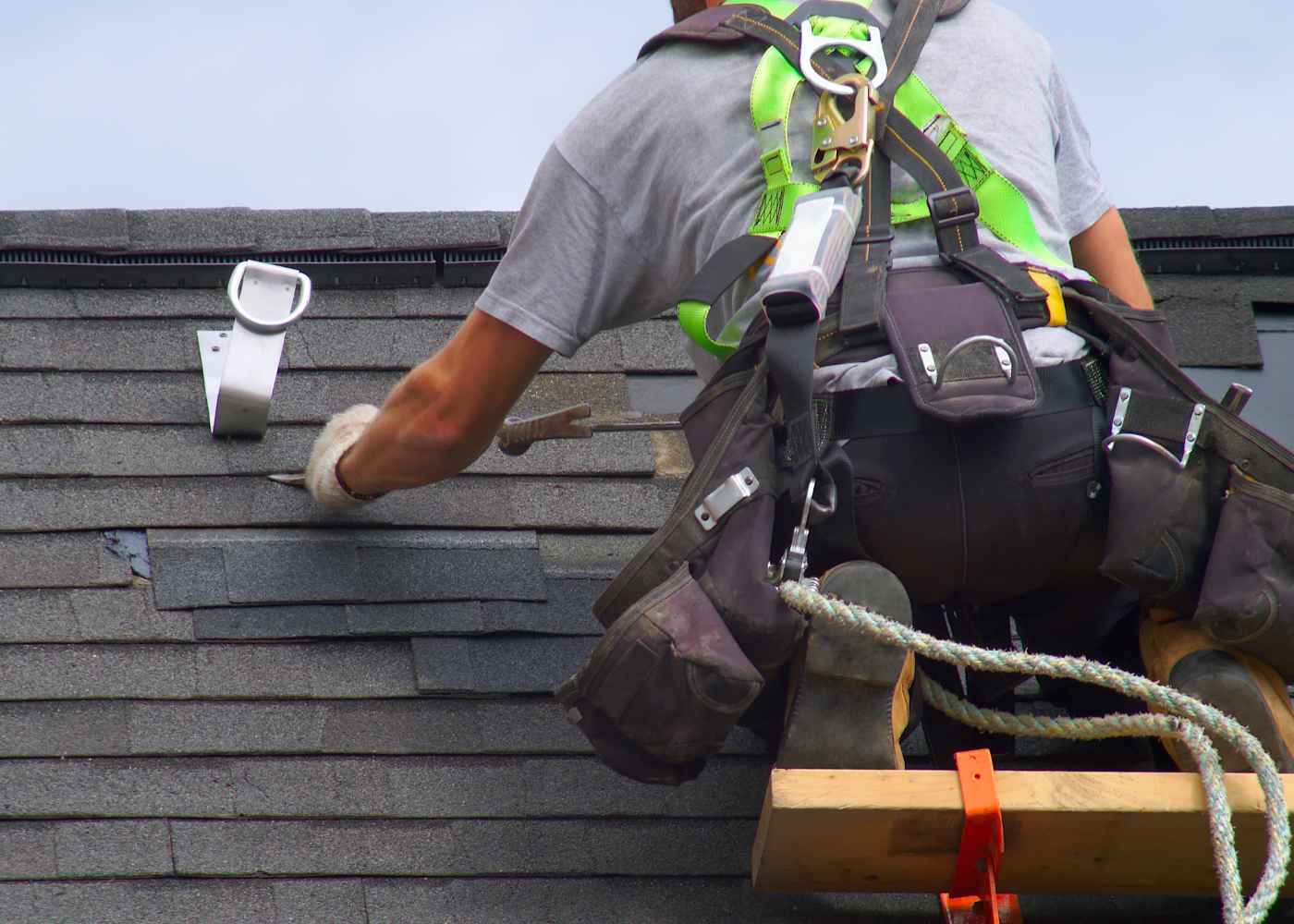
Missing shingles, curled edges, cracked surfaces and granule loss all signal that your roof needs attention. Many homeowners assume repair involves simply replacing damaged shingles with new ones and calling the job complete. Professional roofing work involves far more than surface-level fixes. The meticulous multi-step process that quality contractors follow addresses underlying conditions that amateur repairs would miss entirely.
Understanding what professionals actually do helps homeowners recognize the value of proper repair versus quick fixes that fail prematurely.
Preparing the Work Area
Before any shingles are touched, professionals clear debris from the roof surface and surrounding areas. Leaves, branches, dirt and accumulated material all interfere with proper inspection and repair work. This preparation reveals the true condition of existing shingles and allows accurate assessment of repair scope.
Safety equipment goes in place to protect both workers and the property below. Tarps catch debris and protect landscaping from falling materials. Proper staging ensures efficient workflow that minimizes time spent on the roof while maximizing repair quality.
Evaluating Hidden Underlayment Damage
The visible shingle layer represents only part of your roofing system. Beneath those shingles lies underlayment that provides crucial moisture protection between the outer layer and your roof deck. Professional repairs always include evaluation of this hidden component.
Simply slapping new shingles over damaged underlayment guarantees future problems. Moisture trapped beneath new shingles continues rotting deck materials, creating conditions for mold growth, structural damage, insulation degradation and eventual leaks that emerge far worse than the original problem.
Professionals check whether heat or moisture has affected the underlayment and nearby shingles before proceeding with surface repairs. This assessment determines whether the repair involves only shingle replacement or requires addressing deeper issues first.
Removing and Replacing Damaged Materials
Damaged shingles come off carefully to avoid harming surrounding materials that remain serviceable. The removal process reveals the condition of components that were hidden from initial inspection, sometimes expanding repair scope when previously undetected damage appears.
New shingles are installed using techniques that prevent lifting, slipping and early wear. Each replacement aligns with the existing pattern to maintain both weather protection and aesthetic appearance.
Choosing trusted companies like Byrd’s Eye Roofing ensures repairs are secured against future wind exposure and inspected for proper sealing before work is considered complete. Their approach addresses everything connected to the issue rather than just the surface layer, providing shingle repair solutions that strengthen overall roof performance.
Reinforcing Vulnerable Transition Points
Roofs fail most often at transition points where different surfaces meet. Valleys, edges, flashing and areas around penetrations all represent vulnerable locations that require special attention during any repair work.
Valleys channel water from multiple roof planes, concentrating flow that accelerates wear and creates leak potential. Professional repairs reinforce these areas with proper underlayment, flashing and shingle installation techniques that manage water flow without allowing penetration.
Flashing around chimneys, vents, skylights and dormers requires inspection whenever nearby shingles are repaired. Deteriorated flashing that remains unaddressed will cause leaks regardless of how perfectly new shingles are installed.
Roof edges take punishment from wind uplift, ice damming, gutter overflow and general weathering. Proper edge reinforcement during repairs ensures these vulnerable areas resist the forces that would otherwise peel shingles away during storms.
Matching New Shingles to Existing Materials
Aesthetic concerns matter alongside functional ones. Replacement shingles should match existing materials closely enough that repairs blend invisibly into the overall roof appearance.
Professionals use various asphalt and architectural shingles to achieve color and texture matches with existing roofs. Age-related weathering makes perfect matching impossible, but skilled contractors minimize visible differences through careful product selection and installation technique.
Curb appeal affects property value, making appearance-conscious repairs worthwhile even when functional concerns drive the initial service call.
Inspecting Completed Work
Quality contractors inspect every repair before leaving the property. This final evaluation confirms proper alignment, adequate sealing, secure fastening and appropriate integration with surrounding materials.
Documentation of completed work provides records that support warranty claims and demonstrate maintenance history for future reference. This paperwork proves valuable when selling properties or filing insurance claims related to roof condition.
Understanding Repair Limitations
Professional inspection sometimes reveals that repair cannot adequately address existing damage. When deterioration extends too far, replacement becomes more cost-effective than continuing repairs that provide only temporary solutions.
Honest contractors explain these situations clearly rather than performing repairs they know will fail prematurely. This transparency helps homeowners make informed decisions about whether repair spending makes sense given overall roof condition and remaining useful life.
The difference between professional roof repair and amateur attempts lies in the thoroughness that protects your investment long-term. Proper preparation, hidden damage evaluation, vulnerable point reinforcement and quality materials all contribute to repairs that extend roof life rather than merely delaying inevitable problems.
