



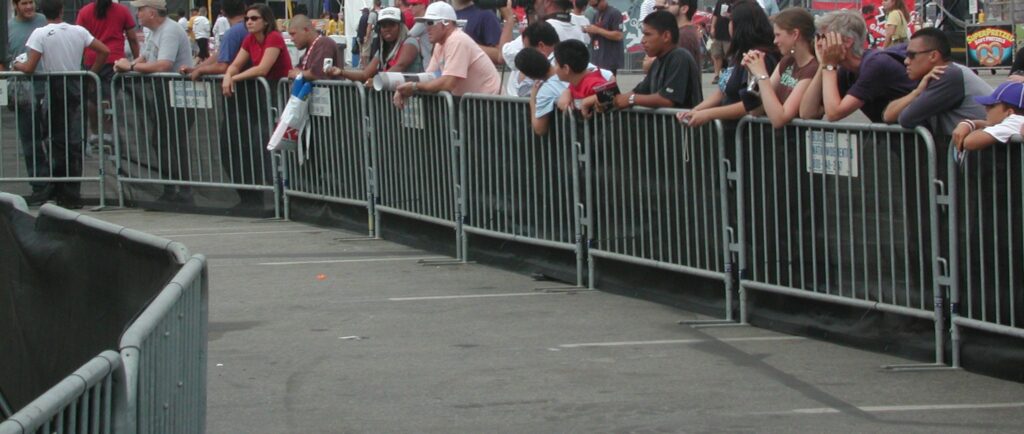
Temporary events often need clear boundaries, controlled entrances, restricted zones, and safe pedestrian routes without requiring permanent infrastructure. For planners handling concerts, festivals, races, civic events, or short-term public projects, crowd control fence rental can be a practical option when barriers are needed for a limited period and purchasing equipment is not the preferred approach.
Why Temporary Crowd Control Matters
Large gatherings create movement patterns that can change throughout the day. Guests may arrive in waves, queues may form near entrances, and certain areas may need to remain closed to the public.
Temporary fencing helps create visible boundaries that are easier for attendees to understand.
Organizers can use fencing to define:
- Entry and exit points
- Ticketing zones
- Restricted areas
- Staff-only sections
- Pedestrian routes
- Vendor areas
- Equipment zones
- Temporary event perimeters
Clear physical boundaries can also help security teams monitor access and reduce confusion in busy spaces.
Rental Can Be Practical for Short-Term Needs
Not every organization needs to own crowd-control equipment.
An event company that manages frequent festivals may choose to purchase barriers, while a municipality planning a few annual events may prefer renting.
Rental can also suit venues that have limited storage space or organizations that only need additional fencing for occasional high-attendance events.
The decision often depends on frequency of use, available storage, transportation capacity, and the scale of each event.
For one-time or seasonal needs, renting may allow organizers to access the required quantity without maintaining equipment throughout the year.
Common Events That Use Temporary Fencing
Temporary crowd-control fencing can support many types of gatherings.
Music festivals may use fencing to define entrances, backstage areas, equipment zones, and pedestrian pathways.
Road races can use temporary barriers along registration points, starting areas, finish lines, and spectator zones.
Municipalities may need fencing during parades, street fairs, public ceremonies, or community celebrations.
Other possible applications include:
- Sporting events
- Outdoor exhibitions
- Corporate gatherings
- University events
- Political gatherings
- Fundraisers
- Construction-adjacent events
- Seasonal markets
Each setting requires a different layout, so planners should assess how people will move through the space before deciding how much fencing is needed.
Plan the Layout Before Ordering
One of the most important steps is calculating where temporary fencing will actually be placed.
Event teams should review a site map and identify entrances, exits, queues, emergency access routes, restricted sections, and high-traffic areas.
Measurements can then be taken to estimate the required length.
Ordering without a clear layout can lead to too much equipment in one area and too little in another.
It is also helpful to consider whether separate fencing sections will be needed for different purposes.
For example, an event may need one long perimeter section plus several shorter sections around ticketing, backstage access, or vendor zones.
Keep Emergency Access Clear
Temporary fencing should never interfere with emergency routes.
Fire lanes, emergency exits, medical access points, and routes used by authorized vehicles must remain available as required by the venue and local regulations.
Organizers should coordinate with venue management, security personnel, and relevant authorities before finalizing the layout.
Staff should also know where emergency openings are located.
If the setup changes during the event, any repositioned fencing should be checked to make sure important access routes remain unobstructed.
Consider Setup and Breakdown Logistics
Rental planning should include more than the event itself.
Organizers should think about when the equipment will arrive, where it can be unloaded, who will install it, and how it will be removed after the event.
Large venues may require fencing to be distributed across several zones, so clear instructions can help crews work more effectively.
A marked site diagram can reduce confusion by showing where each section should go.
After the event, fencing should be collected in a way that does not interfere with guests leaving, vehicles entering, or other breakdown activities.
Think About Crowd Size and Movement
Attendance numbers alone do not determine fencing needs.
How people move through the space is equally important.
A festival with multiple entrances may require several smaller controlled areas, while a road race may need a long continuous boundary.
A concert may experience the greatest pressure at opening and closing times, while a public market may have a steadier flow throughout the day.
Understanding these patterns helps planners decide where barriers should be concentrated.
Security and event staff should also monitor traffic during the event and adjust crowd-management practices when necessary.
Rental Versus Purchasing
Organizations should compare rental and ownership based on how often they use crowd-control equipment.
Purchasing may make sense for venues, production companies, municipalities, or security firms that manage events frequently.
Rental may be more suitable for occasional events, temporary projects, or situations where the required quantity changes significantly from one occasion to another.
Storage and transportation should also be considered.
Owning fencing means having a place to keep it and a way to move it between sites, while rental arrangements may reduce some of those long-term responsibilities.
Build the Rental Plan Around the Event
Temporary fencing works best when it supports a clear crowd-management plan rather than being treated as an afterthought. Event planners should consider expected attendance, venue layout, access requirements, pedestrian flow, setup logistics, and emergency routes before choosing equipment. Organizations preparing for temporary events can explore available rental options from Epic Crowd Control when planning barriers for upcoming public gatherings.
