



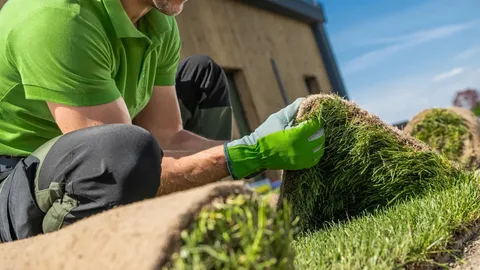
The residents of Springfield are now considering a new approach when it comes to cultivating their lawns. Having to wait several weeks before they can see the result of their efforts is certainly not very enjoyable. Due to this, more people are choosing Grass Sod in Springfield as the faster and more reliable path to a lush yard.
If you are in doubt about which route to take, understanding the real differences between sod and seed can make the decision much easier.
Speed Makes the Difference
The appeal comes down to timing more than anything else. Seeds require weeks of care. That means daily watering, monitoring the weather, and protecting fragile sprouts from birds and foot traffic. Sod skips all of that. It arrives already grown, and once it is laid down, you have a ready lawn within a day.
Within a short establishment period, children and pets can enjoy the lawn much sooner than with newly seeded grass.
Fewer Weeds From the Start
Weeds are another problem that seeds tend to have. Having exposed soil means inviting any weed seed that comes your way to germinate, even before you have any grass. Sod does not leave that opening.
As the grass is already dense and established, weeds have a much harder time getting in during those first few months. Fewer weeds early on will save you time dealing with them later.
More Predictable Than Weather Allows
The weather is one of the biggest challenges when growing a lawn from seed. A week without water can dry out young seedlings before they have built any root strength. Too much rain, and seeds wash away or rot.
Sod is much more tolerant because it is already mature when it goes in the ground. You get consistent color and thickness from day one instead of hoping germination goes evenly across the yard.
Better For Slopes and Drainage Issues
Sloped or poorly draining yards run into a similar issue. Seeded areas have no root system to hold soil in place, so heavy rain can wash everything out before the grass has a chance.
Sod’s roots are already established, which stabilizes the ground almost right away. For anyone dealing with runoff or uneven terrain, that difference matters.
What the Cost Difference Actually Covers
Cost is usually the first thing people bring up when comparing the two. But a few things tend to even that out over time:
- Less water is needed during establishment.
- Fewer weed treatments in the first season.
iii. Lower odds of patchy spots that need reseeding.
- Faster access to a usable yard.
When you add these savings together, the price gap between sod and seed is not as wide as it looks on paper.
Suited to Springfield’s Climate
Springfield’s temperatures fluctuate throughout the growing season, and occasional dry stretches make seed germination unpredictable. Some years, it goes fine. Other years, homeowners end up reseeding the same patches twice.
Sod does not carry that same risk because it is already grown before it reaches your property, so it is not relying on ideal conditions to take hold.
Final Thoughts
If you are tired of waiting on bare patches to fill in, or you just do not want to deal with the trial and error that seeding often involves, grass sod in Springfield gives you a faster and steadier way to get there. It reduces many of the common challenges that come with starting a lawn from seed. Your future self, walking around a grassy lawn rather than a bare patch of soil, will most likely be happy with your choice.
