



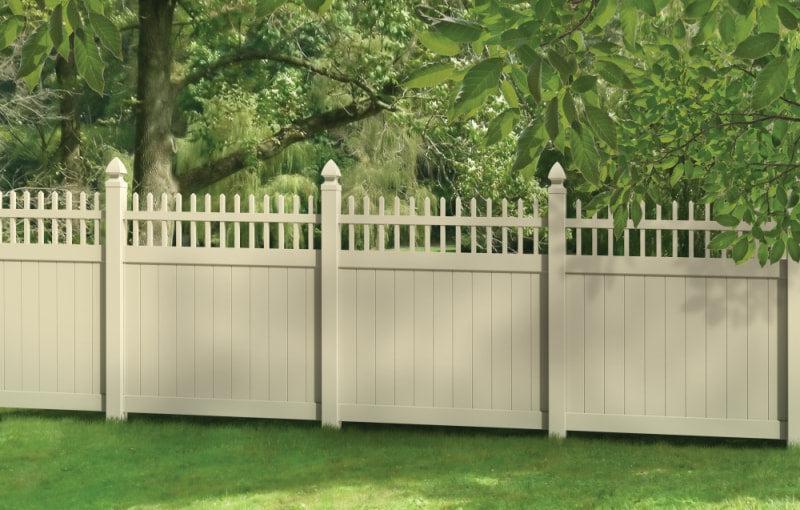
When it comes to choosing the right fence for a residential property, homeowners often find themselves comparing two of the most popular options: wood and vinyl. While wood fences have long been admired for their natural beauty and traditional appeal, vinyl fencing has gained significant popularity due to its durability, low maintenance requirements, and long-term value.
Today’s homeowners are increasingly looking for solutions that enhance curb appeal without requiring constant upkeep. Vinyl fences meet this demand by offering an attractive appearance combined with exceptional resistance to weather, insects, and everyday wear and tear.
If you’re considering a new fence installation, understanding why vinyl fences are a low-maintenance alternative to wood can help you make a confident and informed decision.
Understanding Vinyl Fencing
Vinyl fencing is made from polyvinyl chloride (PVC), a durable synthetic material designed to withstand outdoor conditions. Unlike wood, vinyl does not absorb moisture, rot, splinter, or require regular painting or staining.
Modern vinyl fencing is available in a wide range of styles, colors, textures, and heights, making it suitable for various residential applications, including:
- Privacy fences
- Decorative fencing
- Pool fencing
- Pet containment
- Property boundaries
- Garden enclosures
Advancements in manufacturing technology have also made vinyl fencing more attractive than ever, with many products designed to mimic the appearance of natural wood.
The Maintenance Challenges of Wood Fences
Before exploring the benefits of vinyl fencing, it’s important to understand why wood fences often require significant maintenance.
Wood is a natural material that is constantly exposed to environmental conditions. Over time, weather, moisture, sunlight, and insects can affect its appearance and structural integrity.
Common maintenance tasks associated with wood fences include:
- Regular staining or painting
- Sealing against moisture
- Replacing damaged boards
- Repairing rot
- Treating insect infestations
- Pressure washing
- Sanding rough surfaces
While many homeowners appreciate the natural beauty of wood, maintaining that appearance often requires ongoing time and expense.
Vinyl Fences Require Minimal Maintenance
One of the biggest reasons homeowners choose vinyl fencing is its remarkably low maintenance requirements.
Unlike wood, vinyl does not need:
- Painting
- Staining
- Sealing
- Waterproofing
- Insect treatments
In most cases, a simple rinse with a garden hose is enough to keep a vinyl fence looking clean and attractive.
For tougher dirt or mildew buildup, homeowners can use mild soap and water without worrying about damaging the material.
This ease of maintenance allows homeowners to spend more time enjoying their property and less time performing fence upkeep.
Vinyl Fences Resist Moisture Damage
Moisture is one of the primary causes of deterioration in wood fencing.
Rain, snow, humidity, and irrigation systems can all contribute to moisture absorption, which may lead to:
- Rot
- Mold growth
- Mildew
- Warping
- Swelling
Vinyl fencing is non-porous, meaning it does not absorb water.
As a result, vinyl fences maintain their shape and structural integrity even after years of exposure to wet weather conditions. This moisture resistance makes vinyl an especially attractive option in regions that experience frequent rainfall or humidity.
No Risk of Rot or Decay
Rot is a common issue that affects aging wood fences.
Even pressure-treated wood can eventually develop areas of decay when exposed to prolonged moisture. Once rot begins, boards often need replacement, increasing maintenance costs.
Vinyl fencing eliminates this concern entirely.
Because vinyl is a synthetic material, it cannot rot, decay, or decompose. Homeowners can enjoy peace of mind knowing their fence will remain structurally sound without frequent repairs.
Protection Against Insects
Wood fences are vulnerable to insects such as:
- Termites
- Carpenter ants
- Beetles
- Wood-boring insects
These pests can compromise fence strength and create expensive repair needs.
Vinyl fencing provides a significant advantage because insects have no interest in synthetic materials. There is no need for chemical treatments or preventative maintenance to protect against pest damage.
For homeowners seeking a worry-free fencing solution, this benefit alone can make vinyl an appealing choice.
Vinyl Maintains Its Appearance Longer
Over time, wood fences naturally change appearance due to sun exposure and weathering.
Without routine staining or painting, wood may:
- Fade
- Crack
- Splinter
- Discolor
- Develop uneven coloring
Vinyl fencing is specifically designed to resist fading and discoloration.
Most modern vinyl fences contain UV inhibitors that help protect against sunlight damage. These additives allow the fence to maintain its original appearance for years with very little effort.
As a result, homeowners can enjoy consistent curb appeal without committing to regular refinishing projects.
No Painting or Staining Required
Painting and staining are among the most time-consuming aspects of wood fence ownership.
To preserve appearance and durability, wood fences often require staining or painting every few years.
This process involves:
- Cleaning the fence
- Preparing surfaces
- Purchasing materials
- Applying multiple coats
- Waiting for proper drying conditions
Vinyl fencing eliminates these responsibilities entirely.
The color is integrated throughout the material during manufacturing, so there is no paint to peel or stain to reapply. Homeowners never have to worry about scraping, sanding, or repainting their fence.
Exceptional Durability
Vinyl fences are engineered to withstand a variety of environmental conditions.
High-quality vinyl fencing can resist:
- Heavy rain
- Strong winds
- UV exposure
- Snow and ice
- Temperature fluctuations
Unlike wood, vinyl does not crack due to moisture expansion and contraction.
Many manufacturers also reinforce vinyl fence posts and rails to improve structural strength and longevity.
With proper installation, a vinyl fence can provide decades of reliable performance.
Vinyl Fences Are Easy to Clean
Maintaining a clean vinyl fence is remarkably simple.
Most routine cleaning can be accomplished with:
- Water
- Mild soap
- Soft brushes
- Garden hoses
For stubborn stains, homeowners can use manufacturer-approved cleaning products.
Because vinyl surfaces are smooth and non-porous, dirt and debris are less likely to become embedded compared to wood surfaces.
A quick seasonal cleaning is often enough to keep the fence looking nearly new.
Long-Term Cost Savings
Although vinyl fencing often has a higher initial installation cost than wood, many homeowners find that it provides significant long-term savings.
With wood fencing, expenses may include:
- Paint
- Stain
- Sealant
- Replacement boards
- Pest treatments
- Repair labor
Over the lifespan of the fence, these maintenance costs can add up considerably.
Vinyl fencing largely eliminates these ongoing expenses, making it a cost-effective investment over time.
When evaluating total ownership costs rather than just upfront pricing, vinyl often proves to be the more economical choice.
Environmentally Friendly Benefits
Many modern vinyl fencing products are manufactured using recyclable materials and sustainable production methods.
Additionally, because vinyl fences typically last longer and require fewer replacement materials than wood, they can reduce resource consumption over time.
The elimination of regular staining, painting, and chemical treatments also means fewer maintenance products are introduced into the environment.
Popular Vinyl Fence Styles
Today’s vinyl fences are available in a variety of attractive designs.
Privacy Vinyl Fences
These solid-panel fences create secluded outdoor spaces and are ideal for backyards.
Vinyl Picket Fences
A classic choice that enhances curb appeal while defining property boundaries.
Semi-Privacy Fences
These designs provide airflow and partial visibility while maintaining a sense of privacy.
Decorative Vinyl Fences
Available in numerous styles and accents, decorative fences add character to landscapes and gardens.
Ranch Rail Fences
Popular for larger properties and open landscapes, ranch rail vinyl fencing offers a clean and attractive appearance.
Vinyl vs. Wood: Quick Comparison
Maintenance
Vinyl requires minimal cleaning, while wood requires regular staining, sealing, and repairs.
Durability
Vinyl resists moisture, insects, and rot. Wood is more vulnerable to environmental damage.
Appearance
Wood offers natural beauty, while vinyl provides a consistently attractive appearance with minimal upkeep.
Longevity
Vinyl often lasts longer than wood with fewer maintenance requirements.
Cost
Wood generally has a lower initial cost, but vinyl often offers lower lifetime ownership costs.
Is Vinyl Fencing Right for Your Home?
Vinyl fencing is an excellent option for homeowners who want:
- Low maintenance
- Long-lasting performance
- Attractive curb appeal
- Moisture resistance
- Pest resistance
- Reduced long-term costs
While some homeowners prefer the traditional look of natural wood, many find that the convenience and durability of vinyl fencing make it the better overall investment.
Final Thoughts
For homeowners seeking a beautiful, durable, and low-maintenance fencing solution, vinyl fencing offers significant advantages over traditional wood. Its resistance to moisture, insects, fading, and rot allows homeowners to enjoy years of reliable performance without the constant upkeep associated with wood fences.
Although the initial investment may be higher, the reduced maintenance costs, long lifespan, and consistent appearance make vinyl fencing a smart long-term choice for many properties.
If you’re exploring fencing options and want a solution that combines durability with minimal maintenance, the team at SuperFence Co can help you choose the ideal vinyl fence for your property. From design consultation to professional installation, SuperFence Co provides the expertise and quality craftsmanship homeowners need to maximize the value of their investment.
