



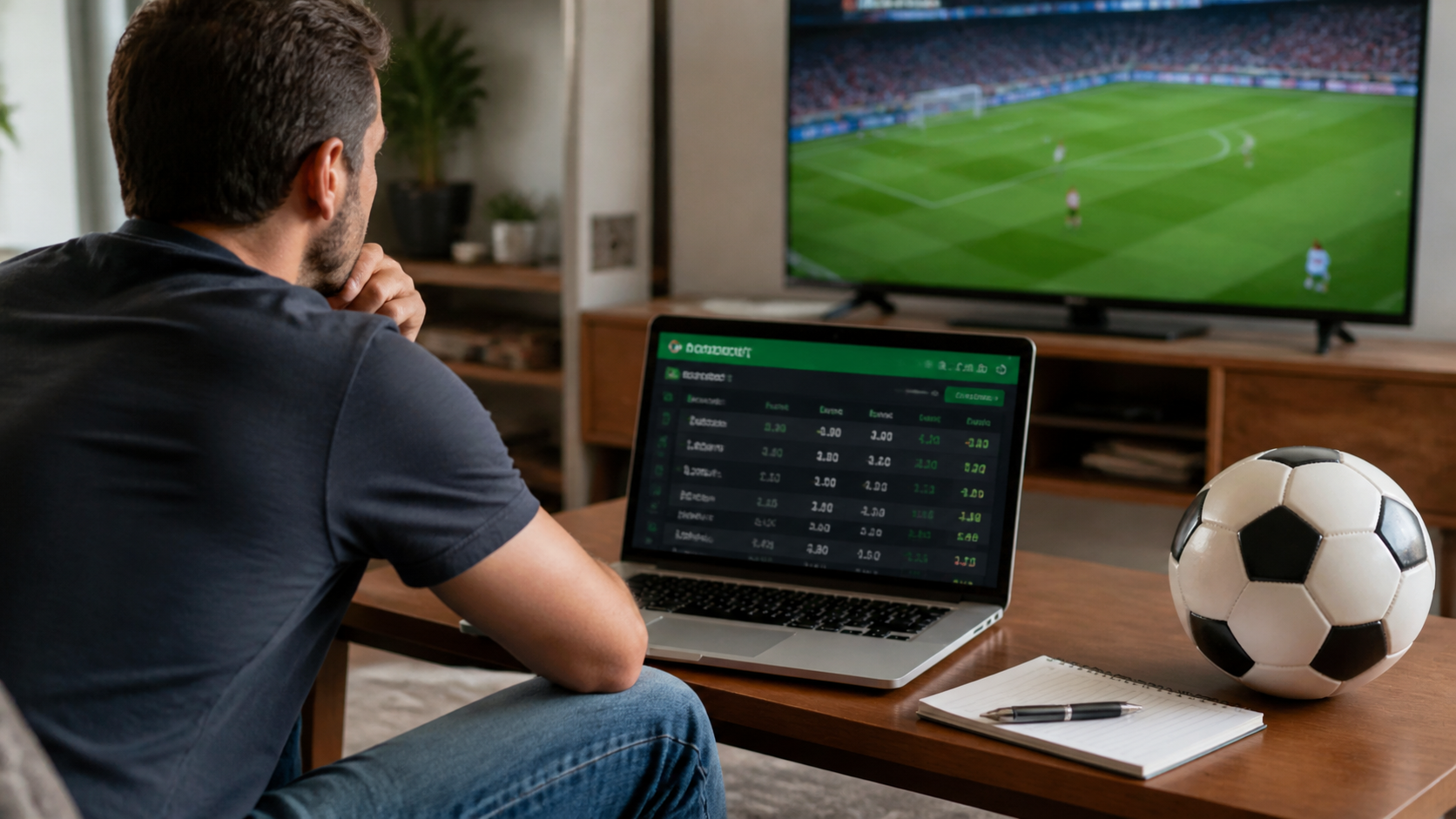
Following a match can be more engaging when supporters have a way to think about the contest beyond the final score. For some adults, sports wagering is part of that interest: they compare teams, consider possible outcomes and decide whether a particular market is worth understanding. The experience is most constructive when it is approached as entertainment rather than as a way to earn income.
Anyone exploring sports betting in Singapore should take time to consider the rules that apply to them, how a betting product works and what limits they want to set. A little preparation can help people make more deliberate choices, avoid common misunderstandings and keep sport itself at the centre of the experience.
Start with the rules and the nature of the activity
Before placing a wager, confirm whether the activity and provider are permitted for your circumstances. Gambling rules can depend on location, product and the way a service operates, and they may change. Do not assume that a website is authorized simply because it is accessible, looks professional or accepts an account registration. When in doubt, consult current official guidance rather than relying on advertisements, social media posts or another user’s experience.
This first check is also a useful reminder that sports wagering involves uncertainty. A team with a strong record can still lose, and a match can unfold in ways that are difficult to anticipate. Odds describe a market’s pricing of possible outcomes; they do not promise a result or make a wager a reliable source of money. Treating every stake as money that could be lost helps keep expectations realistic.
Readers comparing information about sports betting Singapore can use the topic as a starting point for asking practical questions, rather than as a reason to rush into an account or a bet. Look for clear explanations of the activity and its risks, and verify important legal or consumer-protection information independently.
Understand markets before deciding what they mean
A betting market sets out the outcome or event on which a wager can be placed. Common examples in sports may include predicting a match winner, a draw, a margin or a particular event during play. The precise options depend on the sport and the provider. A market label can sound straightforward while still having conditions that affect settlement, so read the full description before making any decision.
Odds are another essential part of the information shown. Their format can vary, but in general they indicate how a market prices an outcome and how a potential return is calculated relative to the stake. Odds are not a measure of certainty. They can change before an event, and a displayed price should not be interpreted as a guarantee that an outcome is likely or that a wager is good value.
Check the terms, not just the headline
Take a moment to understand how the selection is settled, what happens if an event is postponed or abandoned, and whether any special conditions apply. If a market’s meaning is unclear, skip it until you can explain it in plain language. A complicated wager is not automatically more insightful, and adding several selections to one bet can make it harder to understand which assumptions drive the overall outcome.
It can also help to separate analysis from confidence. Researching team form or a player’s role may give context, but it cannot remove uncertainty. Avoid treating a recent result as proof that the same pattern will continue, particularly when teams, conditions or line-ups differ.
Set boundaries that protect the entertainment budget
Decide in advance how much time and money, if any, you are comfortable allocating to gambling. The amount should be affordable to lose without affecting essentials such as housing, food, bills, savings or obligations to other people. A budget is a boundary, not a target to spend. If you reach the limit, stop rather than raising it in response to frustration or an unexpected win.
Keeping gambling money separate from everyday spending can make it easier to notice when a limit is being approached. Some people also choose to set a time limit and avoid betting when tired, upset, under pressure or distracted. These conditions can make it harder to think calmly about a decision. Taking a break is a reasonable choice, even when a match is still in progress.
- Set a spending limit before play and do not chase losses.
- Use only money that is not needed for essential expenses.
- Keep track of time as well as spending.
- Take a break if betting stops feeling like entertainment.
Be cautious of claims that a system, tip or sequence can guarantee profit. No strategy can make uncertain sporting outcomes dependable. A run of wins does not establish that future results will follow the same pattern, and a loss is not a reason to increase a stake in an attempt to recover money.
Compare services with care and keep personal details safe
If you are assessing a service, focus on clear, verifiable information: who operates it, which rules apply, how account terms are explained and what support is available for managing play. Read the conditions carefully before sharing personal details or depositing funds. Be wary of pressure to act immediately, unclear bonus conditions, requests that seem unusual or promises of guaranteed returns.
Use good judgment with account security. Choose a strong, unique password, keep sign-in details private and be careful with messages asking you to disclose credentials or payment information. Do not rely on a professional-looking design as proof that a service is trustworthy. If you have a concern, pause and seek information through appropriate official or consumer-support channels.
Promotions deserve particular scrutiny. An offer may have conditions about eligibility, minimum activity, withdrawal or expiry. Read those terms rather than focusing only on the headline. If the conditions are difficult to understand, or if an offer encourages spending beyond your planned limit, declining it may be the simplest option.
Keep sport first and recognize when to step away
Sports are compelling because of the skill, teamwork, tactics and unpredictability on display. Wagering should not crowd out those reasons for following a game. Consider watching without placing a bet, or choosing a personal limit that leaves the match enjoyable regardless of the result. Avoid letting a wager dictate how you view players, officials or other supporters.
Pay attention to changes in your own behaviour. Hiding gambling, borrowing to continue, repeatedly exceeding limits or feeling unable to stop are signs to take seriously. Talk with someone you trust and consider seeking professional support or locally available gambling-help services. If another person’s gambling is affecting you, it is also reasonable to set boundaries and look for support for yourself.
A considered approach is less about finding a winning formula and more about making informed choices: understand the rules, know what a market means, set firm limits and accept that outcomes cannot be controlled. When gambling is no longer enjoyable or affordable, stepping away is the most important decision. Sport can remain rewarding on its own, without a wager attached.
